



What's Happening?
Rio Rancho residents are invited to a community open house on Monday, November 9, to review and provide feedback on conceptual designs for a proposed $76 million multi-generational recreation center. The event, held at Loma Colorado Library at 6 p.m.,
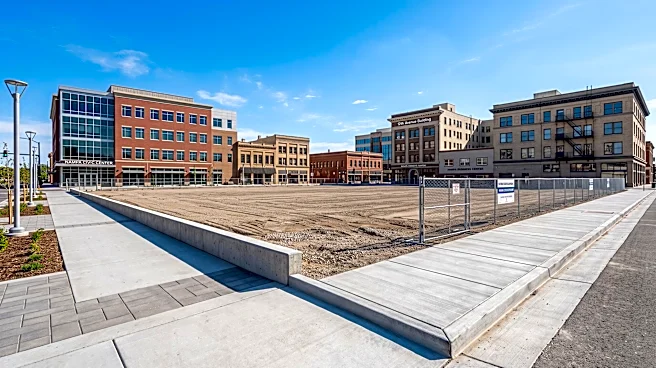
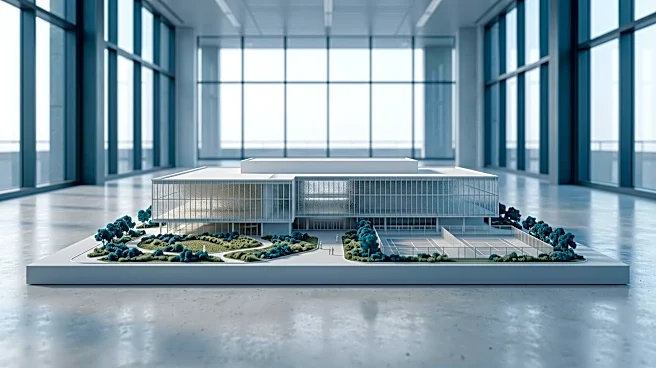
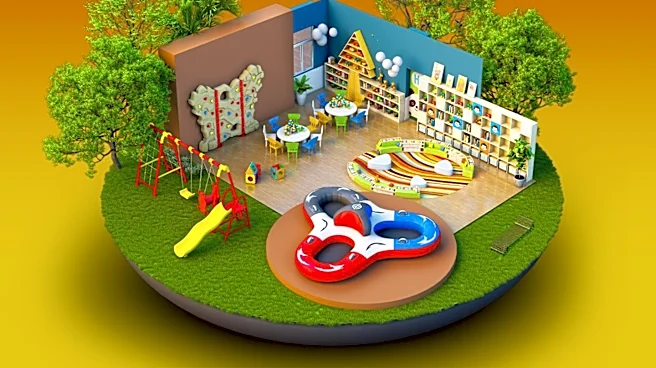
will feature informational displays but no formal presentation, according to a city announcement. The planned facility, to be built on 13 city-owned acres at 4477 9th Ave. NE, near Northern and Rockaway boulevards, is envisioned in two phases. Phase 1, estimated at $42.6 million, includes a 49,140-square-foot building with a multisport gymnasium, outdoor basketball courts, walking trails, and parking. Phase 2, costing an additional $33.8 million, would add 33,534 square feet for gymnastics and climbing, a fitness room, multi-purpose rooms, a stage, and a café, along with outdoor tennis and pickleball courts, playgrounds, and an agility course. The city has not yet secured funding for the project, and cost estimates are projected to increase by approximately 4% annually after 2026. Phase 1 design is expected to conclude in early 2028, with construction contingent on funding acquisition.
Why It's Important?
This proposed $76 million recreation center represents a significant investment in Rio Rancho's community infrastructure and quality of life. If realized, the facility would offer a wide array of recreational opportunities, potentially enhancing public health and community engagement for residents of all ages. The project's scale suggests a substantial economic impact, both during its construction phase through job creation and in its long-term operation, which could attract new residents and businesses to the area. However, the current lack of identified funding sources poses a considerable challenge, highlighting the city's need to explore various financing mechanisms, such as bonds, grants, or public-private partnerships. The community's input at this early stage is crucial, as it will help shape a facility that truly meets the needs and desires of the residents, ensuring that public funds, once secured, are allocated effectively. The project also underscores the growing demand for modern recreational facilities in expanding urban areas, reflecting a broader trend in municipal development aimed at improving civic amenities.
What's Next?
Following the community open house on November 9, Rio Rancho city officials will likely review the public feedback to refine the conceptual designs for the proposed multi-generational recreation center. The next critical step for the city will be to identify and secure the necessary funding for the estimated $76 million project. This process could involve exploring various financial avenues, including state and federal grants, municipal bonds, or potential partnerships. Given that cost estimates are projected to increase by 4% annually after 2026, there is an urgency to finalize funding plans to mitigate rising expenses. Phase 1 design is anticipated to be completed in early 2028, but actual construction will not commence until funding is firmly in place. Residents and stakeholders will likely monitor the city's progress in securing financing and any subsequent adjustments to the project scope or timeline. The city council will play a pivotal role in approving funding strategies and moving the project forward.
Beyond the Headlines
The development of a large-scale recreation center like the one proposed in Rio Rancho often reflects deeper societal trends, including an increasing emphasis on community well-being, active lifestyles, and accessible public spaces. Beyond the immediate benefits of sports and fitness facilities, such centers can serve as vital social hubs, fostering community cohesion and reducing social isolation. The multi-generational aspect of the proposal suggests an inclusive approach, aiming to cater to diverse age groups and interests, from youth sports to senior activities. This project also highlights the ongoing challenge for rapidly growing cities to balance development with the provision of essential public services and amenities. The reliance on public input at the conceptual stage underscores a commitment to participatory governance, allowing residents to directly influence the future of their community. The successful realization of this project could set a precedent for future public infrastructure initiatives in the region, demonstrating how community engagement and strategic planning can lead to significant civic improvements.