

What's Happening?
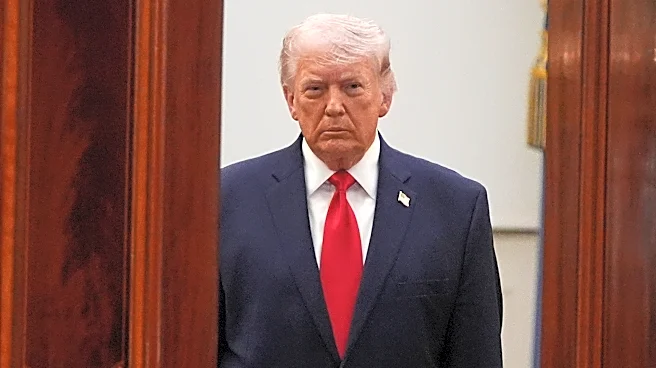
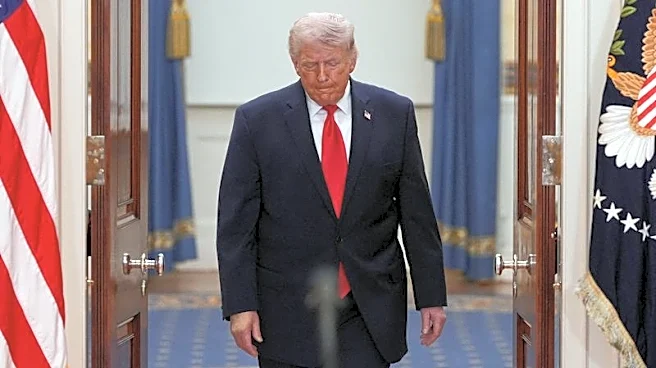
The United Kingdom has announced significant cuts to its global aid spending, reducing its development budget by about 40% to prioritize defense spending. This decision comes after the Trump administration's cuts to U.S. foreign aid, which left many aid organizations
hoping for increased support from other countries like the U.K. The cuts are expected to have severe impacts on health and development programs in Africa, with countries like the Democratic Republic of the Congo, Sierra Leone, and Malawi facing reduced support. The cuts will affect access to healthcare, education, and essential services, exacerbating issues like child malnutrition and disease outbreaks.
Why It's Important?
The reduction in U.K. aid poses a significant threat to vulnerable populations in Africa, where many rely on international support for basic needs. The cuts could lead to increased poverty, health crises, and food insecurity, particularly in regions already struggling with high maternal mortality and child malnutrition. The decision reflects a broader geopolitical shift towards prioritizing national security over development aid, potentially setting a precedent for other countries to follow. This shift could undermine global efforts to address poverty and inequality, with long-term consequences for international stability and development.
What's Next?
The U.K. government plans to focus its remaining aid budget on countries facing the worst humanitarian crises, such as Ukraine and Sudan. However, the cuts have sparked criticism from aid organizations and experts who warn of the dire consequences for affected regions. The international community may need to explore alternative funding mechanisms and partnerships to fill the gaps left by reduced aid. The situation highlights the need for a reevaluation of global aid priorities and strategies to ensure sustainable support for vulnerable populations.