
What's Happening?
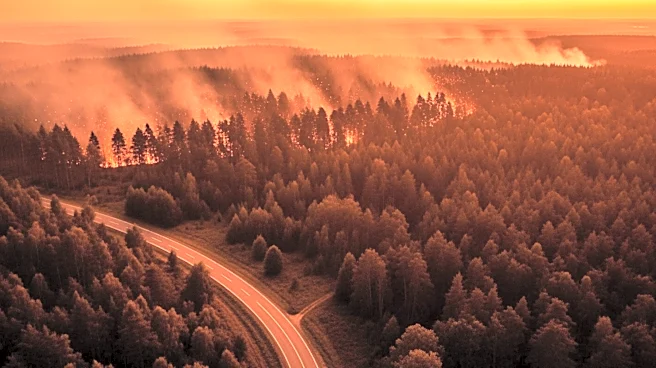
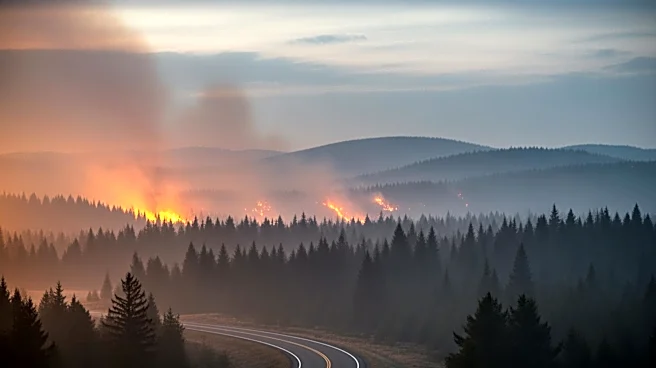
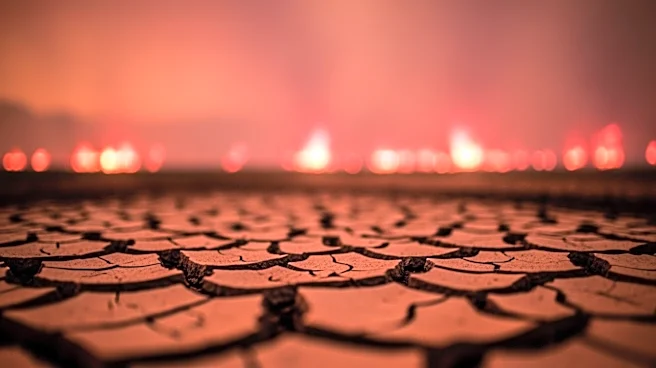
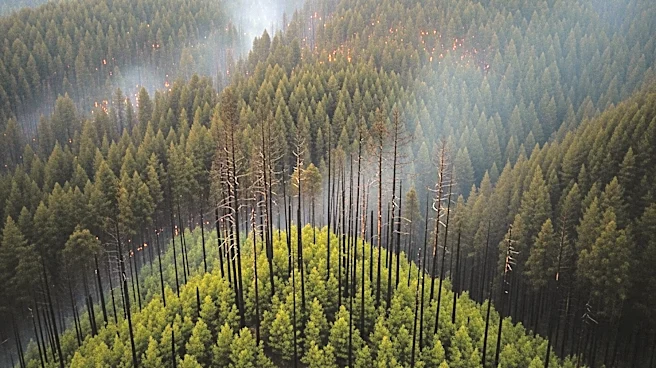
Wildfires in southern Georgia and Florida have forced hundreds of residents to evacuate as the fires spread rapidly due to extreme drought conditions. The fires have destroyed over 50 homes in rural areas
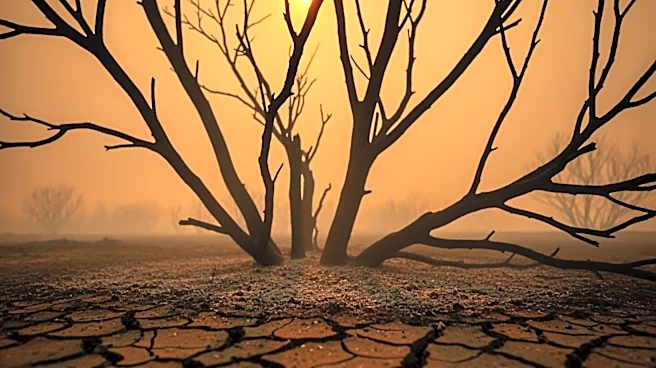
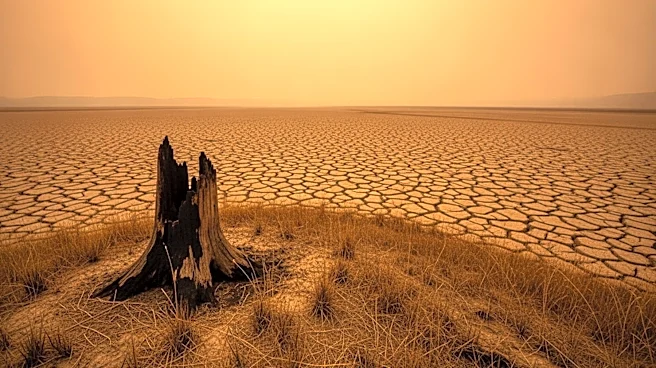
and have led to air quality warnings across the southeastern United States. The situation is exacerbated by strong winds and low humidity, which have contributed to the rapid spread of the fires. Georgia Governor Brian Kemp has declared a 30-day state of emergency for 91 counties, highlighting the severity of the situation. The fires are being fueled by debris left from Hurricane Helene in 2024, creating a tinderbox environment. Firefighters are battling numerous blazes, with the largest fire covering an area twice the size of Manhattan.
Why It's Important?
The wildfires pose a significant threat to public safety and property, with potential long-term impacts on the affected communities. The destruction of homes and infrastructure could lead to economic challenges for residents and strain local resources. The fires also contribute to poor air quality, posing health risks to vulnerable populations, including children and individuals with respiratory issues. The state of emergency declaration allows for the mobilization of additional resources to combat the fires, but the ongoing drought conditions suggest that relief may not be immediate. The situation underscores the broader challenges of managing natural disasters in the context of climate change and extreme weather patterns.
What's Next?
Efforts to contain the wildfires will continue, with firefighters working to prevent further spread. The National Weather Service forecasts showers and thunderstorms in parts of Georgia, but these are unlikely to reach the affected areas. Authorities will monitor wind conditions closely, as they could exacerbate the situation. The state of emergency will facilitate coordination between state and local agencies to provide support to displaced residents. Long-term recovery efforts will likely focus on rebuilding and addressing the underlying environmental conditions that contributed to the fires.