




What's Happening?
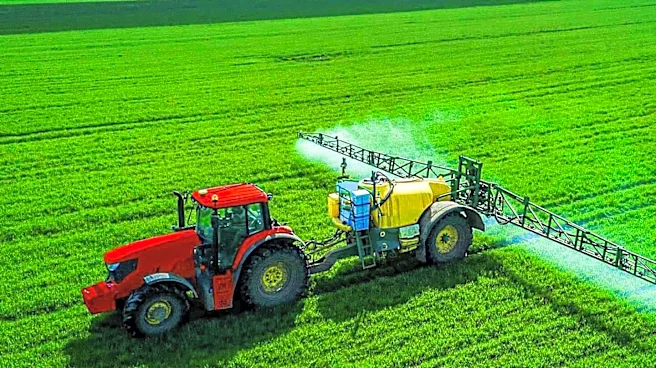
Kendra Klein, a senior scientist at Friends of the Earth, highlights the pervasive issues surrounding pesticide use in U.S. agriculture and its profound impact on human health and the environment. She emphasizes that pesticides are not merely an agricultural
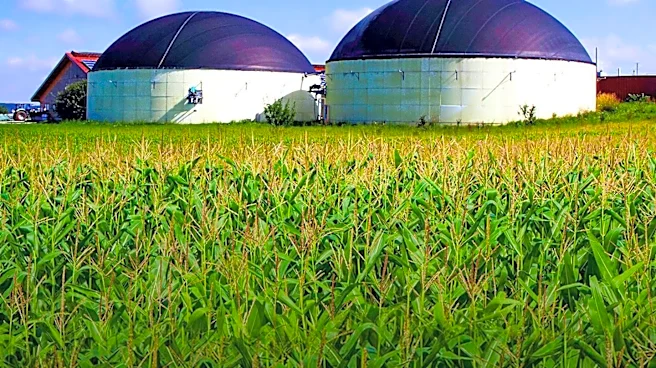
input problem but a public health crisis, influenced by powerful corporations. Klein points out that despite decades of research linking pesticides to various health problems, including neurodevelopmental harm in children, fertility issues, neurodegenerative diseases, and cancers, their use remains widespread. She criticizes the current Farm Bill for disproportionately supporting industrial, chemical-intensive agriculture through subsidies for commodity crops like corn and soy, which are primarily used for animal feed, ethanol, and ultra-processed foods, rather than direct human consumption. This system, according to Klein, makes healthy, organic food more expensive and less accessible, while heavily subsidizing less healthy options. She also addresses the co-optation of the term 'regenerative agriculture' by large corporations, arguing that it often serves as a marketing ploy to continue business as usual, rather than promoting truly sustainable practices that eliminate chemical use.
Why It's Important?
The discussion underscores a critical public health and environmental justice issue in the U.S. The continued reliance on chemical-intensive agriculture, heavily subsidized by taxpayer dollars, has far-reaching consequences. It contributes to rising rates of chronic diseases, disproportionately affects rural communities, farmworkers, and their families who face higher exposure risks, and degrades vital natural resources like soil and water. The debate over 'organic' versus 'regenerative' agriculture is significant because it influences policy decisions and consumer perceptions. If 'regenerative' is adopted without strict standards that mandate the reduction or elimination of pesticides, it could undermine the progress and integrity of the organic movement, allowing large corporations to greenwash their practices. This could perpetuate a system that prioritizes corporate profits over public health and environmental sustainability, making it harder for consumers to make informed choices and for genuinely sustainable farming practices to gain traction. The current policy landscape, particularly the Farm Bill, dictates the economic viability of different farming methods, directly impacting food prices, availability, and ultimately, the health of the nation.
What's Next?
The ongoing negotiations for the Farm Bill present a critical juncture for agricultural policy in the U.S. Advocates like Kendra Klein are pushing for policy changes that would shift support away from chemical-intensive farming and towards organic and truly regenerative practices. This includes increasing funding for conservation agriculture programs and expanding cost-share initiatives to help farmers transition to organic certification. There is also a growing public outcry regarding pesticides and health, which is beginning to influence policymakers. Recent votes in Congress, where members from both parties have opposed measures granting legal immunity to pesticide companies, indicate a potential shift in political will. Continued public engagement and advocacy will be crucial to ensure that these concerns translate into meaningful legislative action. The outcome of these policy debates will determine the future trajectory of U.S. agriculture, impacting food systems, public health, and environmental quality for decades to come.
Beyond the Headlines
The conversation delves into the deeper ethical and systemic issues within the U.S. food system. It highlights the immense power of the pesticide industry, which not only influences regulatory bodies like the EPA but also shapes public perception through marketing and lobbying efforts. The concept of 'feeding the world' is often used to justify chemical-intensive agriculture, despite evidence suggesting it is unsustainable and detrimental to long-term food security. The discussion also touches on the 'toxic cocktail' effect, where individuals are exposed to multiple pesticides simultaneously, a factor not adequately addressed by current regulatory testing. This raises fundamental questions about corporate accountability, the integrity of regulatory oversight, and the right to safe food. The call for 'Organic For All' underscores the ethical imperative to ensure that healthy, pesticide-free food is accessible to everyone, not just those who can afford it. This involves challenging the notion that organic food is elitist and recognizing that the communities most affected by pesticide exposure are often those with the fewest resources, making it a significant human rights and environmental justice issue.