




What's Happening?
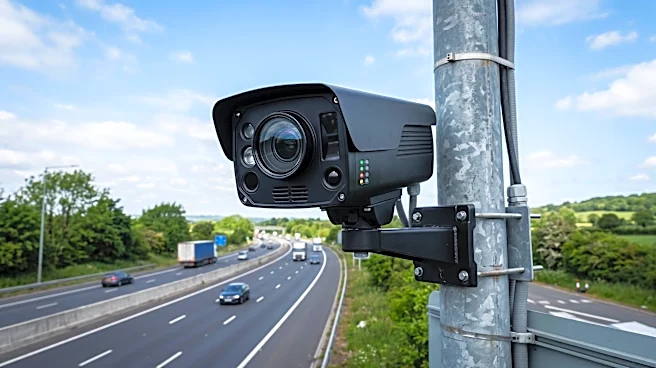
Waterbury city officials have identified specific locations for the installation of new red light and speed cameras. This initiative is part of an ongoing effort to improve traffic safety within the city. The announcement, highlighted in The Waterbury Times'
weekly digest, brings renewed attention to traffic enforcement, driver behavior, and the broader goal of making local roads safer for residents. This development follows a week of various local news, including updates on road construction, election results, and community spotlights. The city's focus on traffic safety measures underscores a commitment to addressing everyday issues that directly impact the lives of its citizens, aiming to reduce accidents and promote more responsible driving habits across Waterbury.
Why It's Important?
The implementation of red light and speed cameras in Waterbury carries significant implications for local residents and the broader community. For drivers, it signals a heightened period of enforcement, potentially leading to an increase in citations for traffic violations. This could result in financial penalties and points on driving records, impacting insurance rates. From a public safety perspective, the cameras are intended to deter dangerous driving behaviors, such as speeding and running red lights, which are major contributors to traffic accidents. A reduction in accidents could lead to fewer injuries and fatalities, easing the burden on emergency services and healthcare facilities. Economically, while the city may see an increase in revenue from fines, there could also be a debate about the fairness and effectiveness of such systems, and their potential impact on local commuters and businesses.
What's Next?
Following the identification of camera locations, the next steps will likely involve the procurement and installation of the red light and speed camera systems. This process will require coordination between city officials, traffic engineers, and technology providers. Public awareness campaigns may also be launched to inform residents about the new enforcement measures and the locations of the cameras, aiming to encourage compliance and prevent violations. There could be public discussions or debates regarding the effectiveness and privacy implications of these cameras, potentially leading to adjustments in their deployment or operational policies based on community feedback and initial results. The city will likely monitor traffic data and accident rates to assess the impact of these new measures on overall road safety.
Beyond the Headlines
The introduction of red light and speed cameras in Waterbury touches upon deeper societal and ethical considerations beyond immediate traffic enforcement. It raises questions about the balance between public safety and individual privacy, as automated surveillance systems become more prevalent. There's also the potential for these systems to disproportionately affect certain demographics or areas, leading to discussions about equity and fairness in law enforcement. The long-term impact could include a shift in driver behavior, fostering a culture of greater adherence to traffic laws, but also potentially leading to public resentment if the systems are perceived as revenue-generating rather than safety-focused. This development could also set a precedent for other cities considering similar technologies, influencing broader trends in urban traffic management and smart city initiatives.