








What's Happening?
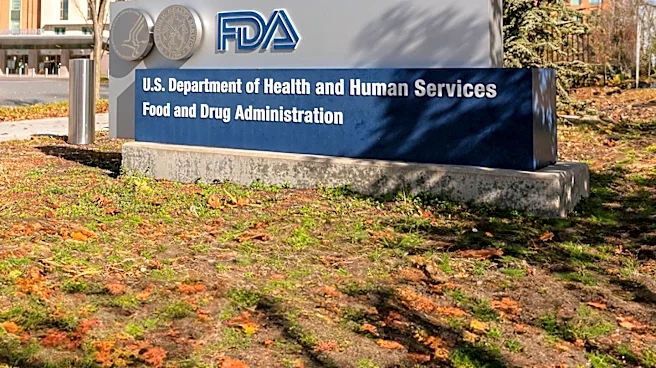
The FDA has approved Sunharbo (asundexian), a new daily medication designed to reduce the risk of recurrent stroke in certain adult patients. This medication is taken as a 50-mg pill once daily, in conjunction with standard antiplatelet therapies like
aspirin. Sunharbo is specifically indicated for adults who have recently experienced a non-cardioembolic ischemic stroke (a stroke caused by a blood clot not originating from the heart) or a high-risk transient ischemic attack (TIA), also known as a mini-stroke. It is the first medication of its kind to target and block factor XIa, a specific protein involved in blood clot formation. The approval is based on a phase 3 randomized trial involving 12,327 patients across 37 countries. The trial demonstrated a 26% relative reduction in ischemic stroke among patients taking asundexian compared to those on placebo, both in addition to antiplatelet therapy, over an average period of 14.2 months.
Why It's Important?
The approval of Sunharbo marks a significant advancement in secondary stroke prevention, offering a new therapeutic option for a specific subset of stroke survivors. With approximately 185,000 Americans experiencing a recurrent stroke each year, this medication has the potential to substantially reduce the burden of stroke recurrence and its associated morbidity and mortality. By targeting factor XIa, Sunharbo offers a novel mechanism of action compared to existing antiplatelet or anticoagulant therapies, potentially providing a more precise approach to preventing clot formation without significantly increasing major bleeding risks in the overall study population. This could lead to improved outcomes for patients who have already suffered a stroke or TIA, enhancing their quality of life and reducing long-term healthcare costs associated with recurrent cerebrovascular events. The drug's specificity also highlights ongoing research into more targeted antithrombotic strategies.
What's Next?
Following FDA approval, Sunharbo will become available to healthcare providers for prescription to eligible patients. Discussions between patients and their care teams regarding this medication are crucial, particularly soon after a stroke, as the clinical trial administered the drug within 72 hours of the event. Further long-term studies are needed to fully assess the safety and effectiveness of asundexian beyond the 14-month average treatment period observed in the trial, especially in older patients, underrepresented populations, and those with more severe strokes. Additionally, ongoing research will likely focus on refining patient selection criteria and understanding the drug's efficacy in real-world settings. Patients will still need to adhere to other stroke prevention strategies, such as lifestyle modifications (smoking cessation, cholesterol management, healthy diet, exercise), as medication is only one component of comprehensive stroke prevention.
Beyond the Headlines
The introduction of Sunharbo represents a shift towards more targeted pharmacological interventions in cardiovascular medicine. The focus on factor XIa inhibition suggests a growing understanding of the intricate pathways involved in thrombosis and the potential to develop antithrombotic agents with improved safety profiles. This approval could spur further research into other novel targets for stroke prevention, potentially leading to a new generation of antithrombotic drugs. However, the drug's specific indication (non-cardioembolic ischemic stroke or high-risk TIA) underscores the importance of accurate stroke subtyping for optimal treatment. It also highlights the ongoing challenge of balancing efficacy with safety, as even with a targeted approach, certain subgroups may experience increased risks, such as gastrointestinal bleeding or major bleeding in older patients. This development reinforces the need for personalized medicine approaches in stroke care.