




What's Happening?
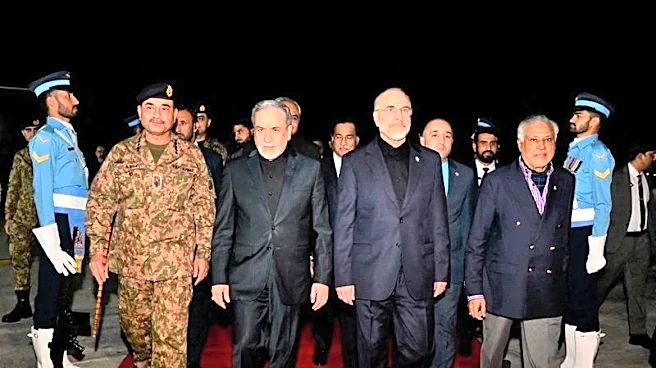
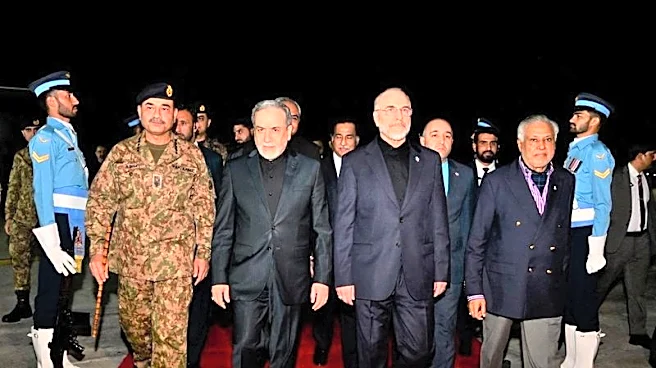
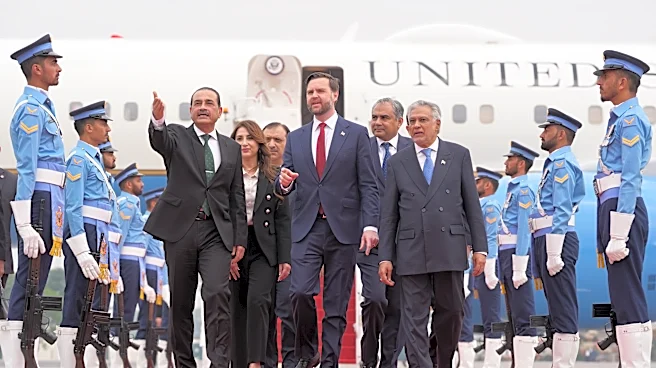
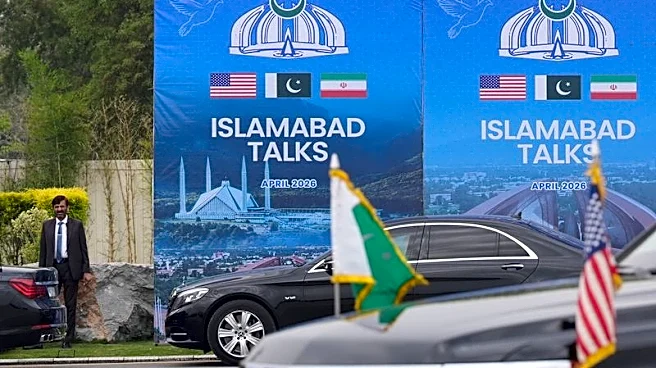
Top U.S. and Iranian officials have convened in Islamabad, Pakistan, to discuss critical issues aimed at resolving ongoing conflicts in the Middle East. The negotiations focus on several contentious points, including Iran's demand for a ceasefire in Lebanon,
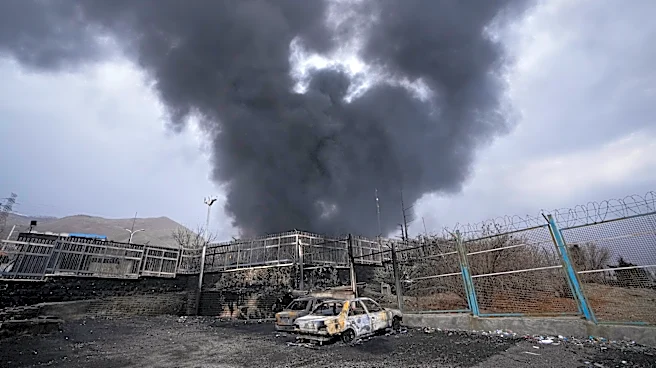
where Israeli attacks on Hezbollah militants have resulted in significant casualties. Iran is also seeking the lifting of U.S. sanctions that have severely impacted its economy, as well as the unblocking of Iranian assets. Additionally, Iran wants recognition of its authority over the Strait of Hormuz, which would allow it to collect transit fees and control access. The U.S., however, insists on keeping the strait open for oil tankers without limitations. Other points of contention include Iran's demand for compensation for war damages and its right to enrich uranium, which the U.S. has ruled out. President Trump has emphasized the non-negotiable nature of Iran's missile capabilities, while Iran insists its missile arsenal is off the table.
Why It's Important?
The negotiations are crucial as they address longstanding issues that have contributed to instability in the Middle East, affecting global energy supplies and the economy. A resolution could lead to significant changes in regional power dynamics, particularly concerning the Strait of Hormuz, a vital passage for global oil shipments. The talks also have implications for U.S. foreign policy and military presence in the region, as Iran demands the withdrawal of U.S. forces. Successful negotiations could ease tensions and potentially lead to economic relief for Iran, impacting international relations and trade. However, failure to reach an agreement could escalate conflicts, further destabilizing the region and affecting global markets.
What's Next?
The outcome of the negotiations remains uncertain, with both sides holding firm on key issues. The U.S. may continue to leverage sanctions as a bargaining tool, while Iran seeks concessions on its nuclear program and regional authority. The international community will be closely monitoring the talks, as any agreements could shift alliances and influence future diplomatic engagements. Stakeholders, including Israel and other Middle Eastern countries, may react to the negotiations' progress, potentially affecting regional security and cooperation.