



What's Happening?
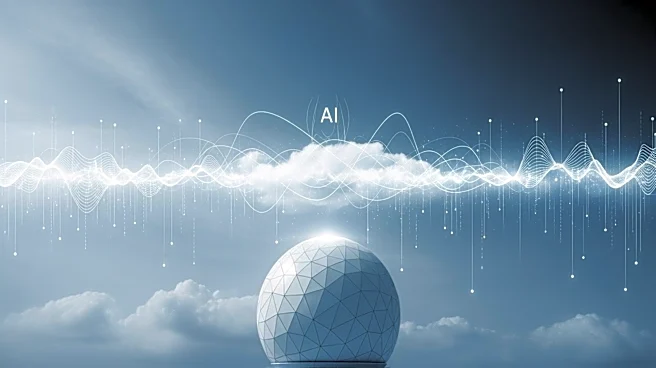
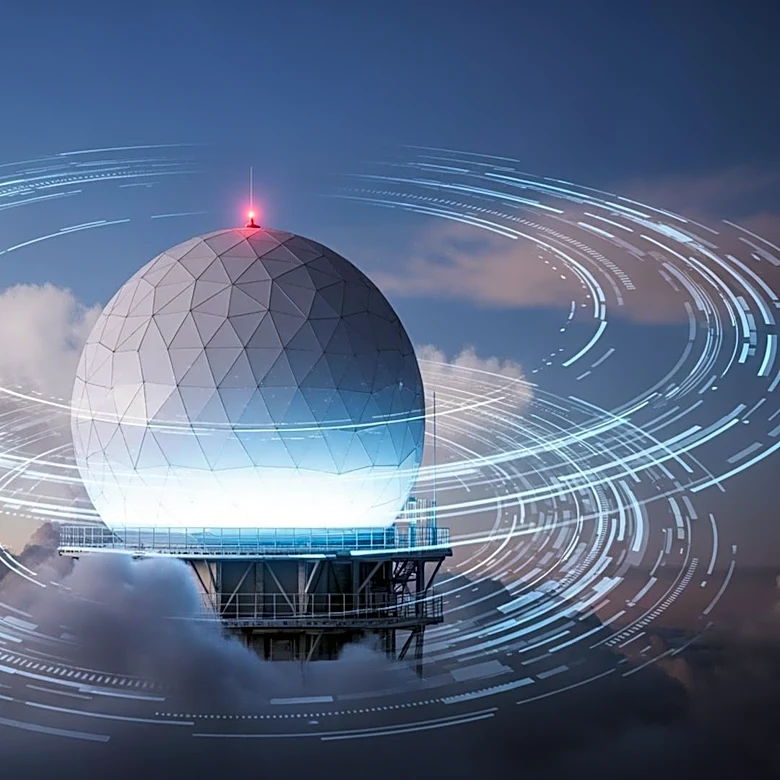
The Canadian Government has unveiled a new hybrid weather forecasting model that integrates artificial intelligence with traditional methods to improve forecast accuracy and public safety. This system aims to provide earlier warnings for extreme weather events
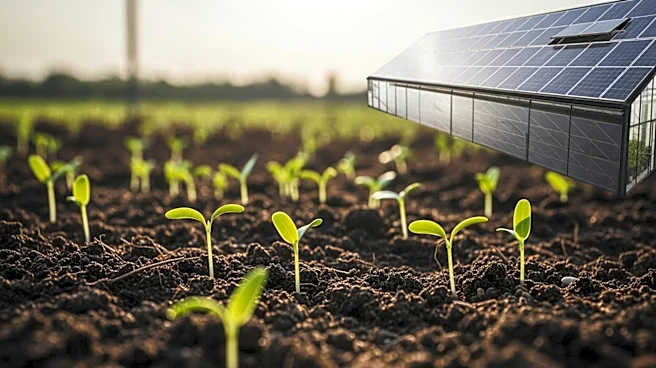
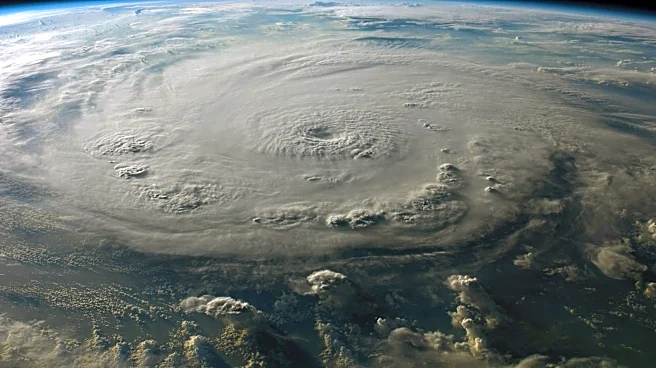
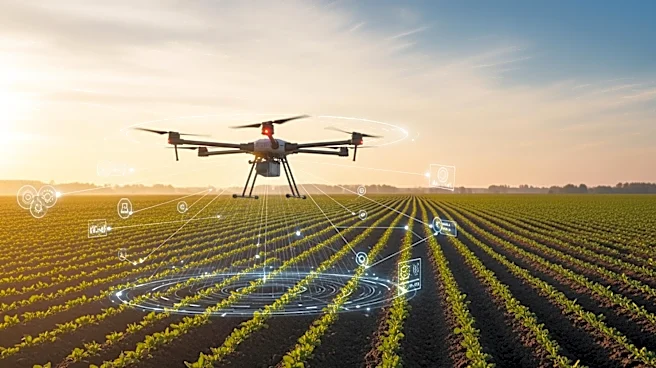
such as storms, heat waves, and floods, benefiting various sectors including agriculture. The model combines AI's ability to analyze large datasets with traditional physics-based forecasting, which considers local factors like temperature, wind, and precipitation. This approach enhances the reliability and detail of forecasts, improving performance across all timeframes. Notably, the system can detect major weather systems 8 to 24 hours earlier than previous models, allowing communities and emergency services to prepare more effectively.
Why It's Important?
The introduction of this AI hybrid model is significant as it positions Canada as a leader in weather prediction and climate projection. By providing more accurate and timely forecasts, the system supports better planning and response to severe weather, which is crucial for sectors like agriculture and transportation. The ability to predict weather conditions earlier can help mitigate the impact of extreme events, potentially reducing economic losses and enhancing public safety. This innovation reflects Canada's commitment to leveraging advanced technology to adapt to changing climate conditions and improve community resilience.
What's Next?
The Canadian Government plans to continue testing and refining the hybrid model to ensure its effectiveness. Meteorologists will play a crucial role in interpreting the data and communicating accurate information to the public. As the system is further integrated, it is expected to enhance Canada's capabilities in weather forecasting and climate adaptation. Stakeholders in agriculture and emergency services may need to adjust their planning and response strategies to align with the new forecasting capabilities.
Beyond the Headlines
The use of artificial intelligence in weather forecasting raises questions about the ethical implications of relying on technology for critical public safety information. While AI can enhance accuracy, it is essential to ensure transparency and accountability in its application. The collaboration between AI and human expertise highlights the importance of maintaining a balance between technological innovation and professional judgment.