





What's Happening?
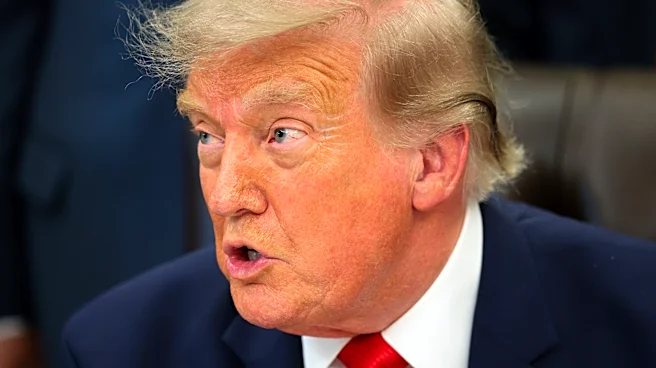
CNN's chief data analyst Harry Enten has highlighted a significant decline in President Donald Trump's approval ratings among younger voters, particularly those under 50. Enten's analysis reveals a dramatic shift in support since the 2024 election, with
younger voters increasingly disapproving of Trump. During the 2024 campaign, Trump trailed Vice President Kamala Harris by only three points among this demographic, but current polling shows a negative 41-point net approval rating. Enten attributes this shift to younger voters' dissatisfaction with Trump's policies and leadership. The trend is expected to have major implications for the upcoming midterm elections, as Democrats gain a substantial advantage among voters under 50. Enten notes that Democrats now hold a 17-point lead in House preference polling among this group, compared to a four-point edge in 2024.
Why It's Important?
The shift in younger voters' support is crucial for the political landscape, as it could influence the balance of power in Congress during the midterm elections. Younger voters, including Gen Z and Millennials, are becoming increasingly influential in shaping election outcomes. Their disapproval of Trump may lead to increased voter turnout and support for Democratic candidates, potentially resulting in a 'blue wave.' This demographic shift underscores the importance of addressing issues that resonate with younger voters, such as climate change, social justice, and economic opportunities. The trend also highlights the challenges faced by the Republican Party in appealing to younger generations.
What's Next?
Democrats are likely to capitalize on the growing support among younger voters by focusing on issues that matter to this demographic. The party may intensify efforts to mobilize and engage younger voters ahead of the midterm elections. Republicans may need to reassess their strategies and policies to regain support from younger voters. The outcome of the midterm elections could significantly impact legislative priorities and the political agenda in the U.S. Congress.