





What's Happening?
A powerful El Niño event is intensifying global hunger concerns, particularly in vulnerable regions, despite projections for the second-largest annual crop on record for 2026-2027. The Famine Early Warning Systems Network (FEWS NET) indicates that global maize,
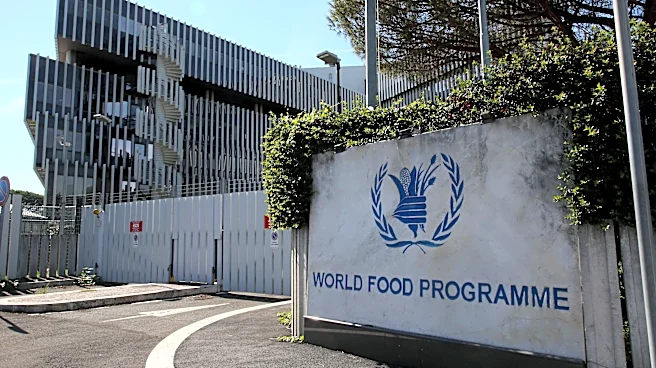
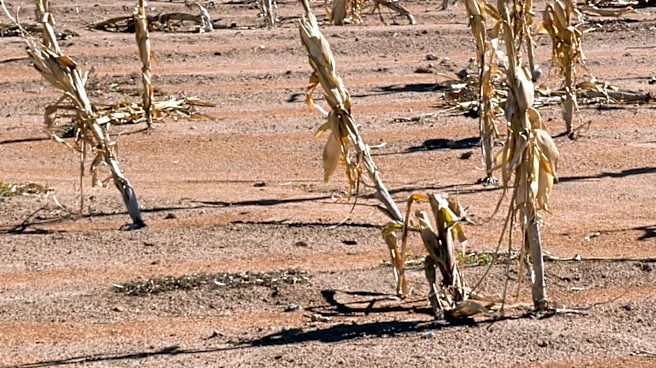
wheat, and rice production is expected to be only 2.7 percent below the previous year's record. However, the primary concerns are localized production changes and food access, especially in Southern Africa. This year's El Niño is described as a 'super El Niño,' with sea-surface warming in the tropical Pacific potentially reaching unprecedented levels. The World Food Programme (WFP) warned in August that this El Niño could push an additional 49 million people into acute food insecurity by the end of 2027, bringing the total to 274 million. The current situation is exacerbated by a 'triple whammy' of high fertilizer costs, high energy costs, and massive droughts across the tropics, according to Berkeley Earth climatologist Zeke Hausfather. The impacts are already visible, with crop yields significantly reduced in areas like Southern Africa and parts of Ethiopia, and disruptions to transportation arteries and agricultural practices in regions such as Indonesia, Cambodia, and Central America.
Why It's Important?
The ongoing El Niño poses a significant threat to global food security, even as overall food production remains relatively high. The issue is not a lack of global supply but rather the uneven distribution and accessibility of food, particularly in regions highly susceptible to climate-induced disruptions. The projected increase in acute food insecurity highlights the vulnerability of millions, especially in developing nations, to climate phenomena. The confluence of climate change, rising input costs for agriculture (fertilizer, energy), and geopolitical conflicts (like the war in Ukraine affecting wheat exports and the Middle East impacting fertilizer supply) creates a complex and precarious situation. This scenario can lead to increased food prices, reduced purchasing power for vulnerable populations, and potential social unrest. The U.S., while not directly experiencing widespread food shortages from El Niño, is impacted by global food price volatility and the humanitarian crises that necessitate international aid, affecting foreign policy and aid budgets. The long-term implications for global supply chains and agricultural resilience are also significant.
What's Next?
Meteorologists can forecast El Niño events almost a year in advance, providing a critical window for humanitarian agencies to implement preventative measures. Organizations like the World Food Programme are utilizing this advanced warning to distribute drought-resistant seeds, secure emergency food supplies, and provide income assistance to struggling farmers. The WFP has tested forecast-based financing programs, such as delivering cash to families in drought-affected areas, which proved effective in maintaining food quantity and quality. However, funding for global aid has decreased significantly, with funds down 30 percent in 2025 from their 2022 peak, limiting the reach of these programs. For instance, in Somalia, the WFP can now only assist less than a million people compared to 10 million during similar conditions in 2022. The peak of this strong El Niño is expected to be followed by record-breaking global average temperatures in 2027, further complicating agricultural outlooks and potentially exacerbating food security challenges.
Beyond the Headlines
The current El Niño event underscores the interconnectedness of climate, economics, and global stability. The repeated occurrence of strong El Niños, potentially linked to climate change, suggests a new normal for weather patterns that will continually test global food systems. The decline in international aid funding at a time of increasing need highlights a critical gap in global humanitarian response, potentially leading to more severe and prolonged crises. This situation also brings into focus the concept of 'food access' versus 'food supply' – even with sufficient global production, local infrastructure, economic disparities, and conflict can prevent food from reaching those who need it most. The long-term strategy must involve not only immediate relief but also investments in climate-resilient agriculture, improved infrastructure, and robust social safety nets in vulnerable regions. The ethical dimension of global food distribution and the responsibility of wealthier nations to support those most affected by climate phenomena are also brought to the forefront.