




What's Happening?
The Baton Rouge metropolitan area is set to undertake over $1 billion in state road construction projects within the next two years, according to economist Loren Scott's latest Louisiana Economic Forecast. This forecast, presented at Business Report’s
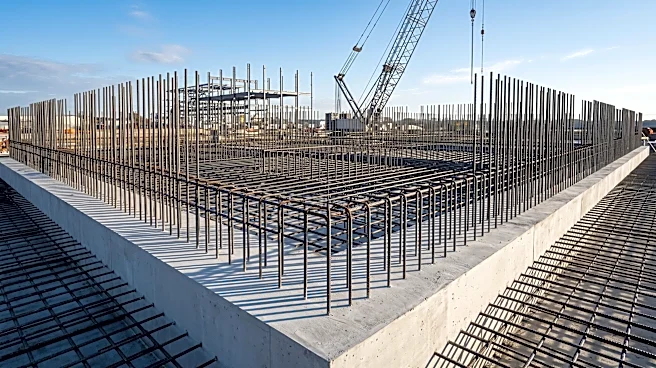
Louisiana Business Symposium, indicates a significant increase from the previous year's estimate of $757.3 million for 2026 and 2027. The largest single project planned is the $567 million La. 1-to-La. 415 connector, which is part of a broader initiative to enhance transportation infrastructure on the west side of the Mississippi River. Other major projects include a $41 million railroad overpass on La. 1 in Ascension Parish, serving the RiverPlex MegaPark, and another $41 million project for three roundabouts along La. 44 near Interstate 10. These figures do not encompass the ongoing extensive project to widen Interstate 10 from La. 415 to the I-10/I-12 split in Baton Rouge. Additionally, Ascension Parish is slated to receive $18 million in Coastal Protection and Restoration Authority funding for pumping improvements and a $20.3 million project to reintroduce Mississippi River water into the Lake Maurepas swamp, shared with St. James and St. John the Baptist parishes.
Why It's Important?
This substantial investment in road construction and infrastructure in the Baton Rouge metro area is poised to significantly benefit the region's industrial corridor and overall economic landscape. Improved transportation infrastructure, such as the La. 1-to-La. 415 connector and the I-10 widening project, will enhance connectivity, reduce transit times, and facilitate the movement of goods and services. This is crucial for industrial operations, potentially attracting new businesses and supporting the expansion of existing ones by lowering logistical costs and improving market access. The railroad overpass in Ascension Parish will specifically aid the RiverPlex MegaPark, a key industrial hub. Beyond direct economic benefits, these projects are expected to create numerous construction jobs, providing short-term economic stimulus. The broader infrastructure spending, including coastal protection and water management projects, also addresses critical environmental and resilience needs, safeguarding communities and economic assets from natural disasters and supporting long-term sustainability.
What's Next?
The planned road construction projects in the Baton Rouge metro are expected to commence and progress over the next two years, with the La. 1-to-La. 415 connector being a central focus. The ongoing widening of Interstate 10 will continue, further alleviating traffic congestion and improving regional flow. Stakeholders, including industrial businesses and local communities, will likely monitor the progress of these projects closely, anticipating the benefits of enhanced infrastructure. The significant increase in the forecast from the previous year suggests a growing commitment to infrastructure development in the region, which may lead to further project announcements or expansions in the future. The inclusion of environmental projects, such as those in Ascension Parish, indicates a comprehensive approach to regional development that balances economic growth with ecological considerations.
Beyond the Headlines
The scale of investment in Baton Rouge's infrastructure reflects a strategic effort to bolster Louisiana's economic competitiveness, particularly in its industrial sector. The focus on improving access to industrial parks and major transportation arteries underscores a recognition of the critical link between infrastructure and economic vitality. This regional development strategy could serve as a model for other states looking to leverage infrastructure spending for industrial growth. Furthermore, the integration of coastal protection and restoration projects alongside road construction highlights a growing awareness of climate resilience in infrastructure planning, especially in vulnerable regions like Louisiana. This holistic approach to development, combining economic and environmental objectives, suggests a long-term vision for sustainable growth and protection against future challenges.