







What's Happening?
Laura Owens has been sentenced to 30 days in jail following a plea deal where she pleaded guilty to four felonies: two counts of fraudulent schemes and artifices, one count of perjury, and one count of taking the identity of another. The charges stem
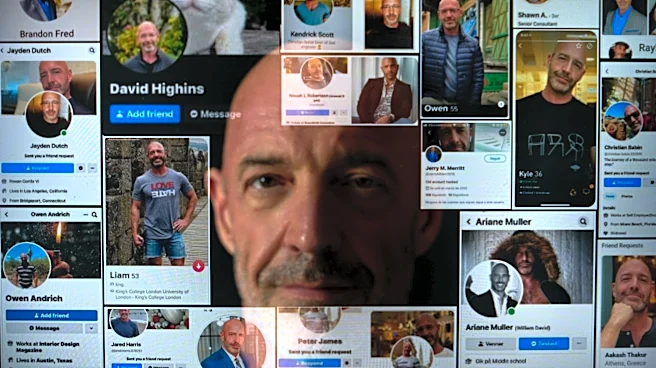
from prolonged campaigns of fraud, deception, and harassment, including pregnancy scams targeting individuals like Clayton Echard and Greg Gillespie. Owens attempted to coerce these men into relationships by falsely claiming pregnancy and threatening abortion if they refused. She also engaged in psychological warfare, dragging victims through court cases to obtain protective orders against them. One particularly egregious act involved stealing an ultrasound image from Stormy Mitchell, a woman who had experienced pregnancy loss, and using it as part of her fraudulent claims. Victims expressed strong dissatisfaction with the sentence, with Greg Gillespie walking out of the courtroom. Clayton Echard stated that Owens is manipulative and that the justice system failed the victims.
Why It's Important?
This case highlights significant issues within the justice system regarding how non-violent but emotionally and financially devastating crimes are prosecuted and sentenced. The victims' strong reactions underscore a perceived lack of justice, raising questions about whether the punishment fits the crime, especially when the actions involve prolonged psychological torment and identity theft. The judge's rationale, which seemed to lean towards viewing Owens as a 'sad individual making some poor choices' rather than a 'sophisticated, conniving, calculating shakedown artist,' has sparked debate among legal commentators and the public. This outcome could influence how future cases of similar nature are handled, potentially affecting victims' trust in the legal process and encouraging perpetrators if sentences are perceived as too lenient for severe emotional and financial harm.
What's Next?
Laura Owens will serve her 30-day jail sentence. Following her release, she will begin a seven-year period of supervised probation, with a suspended sentence of one year in jail that could be activated if she fails to comply with the terms of her probation. The victims, including Clayton Echard and Greg Gillespie, are left to cope with the aftermath of Owens's actions and the perceived inadequacy of the legal resolution. The case may continue to be discussed in legal and true-crime circles, potentially leading to broader conversations about sentencing guidelines for fraud and harassment cases that inflict significant emotional and psychological damage. There is no indication of further legal action from the prosecution or victims at this time, but the public discourse around the sentence is likely to persist.
Beyond the Headlines
The sentencing of Laura Owens brings to light the complex interplay between mental health, criminal behavior, and judicial discretion. The judge's emphasis on Owens's potential mental health issues as a mitigating factor, despite her last-minute engagement with therapy, raises ethical questions about how such factors are weighed against the severe and prolonged harm inflicted on victims. This case also touches upon the broader societal issue of manipulation and deception in personal relationships, particularly through the weaponization of sensitive topics like pregnancy. The public's strong reaction to the perceived leniency of the sentence reflects a desire for justice that extends beyond financial restitution, encompassing emotional and psychological suffering. It prompts a deeper look into whether current legal frameworks adequately address the non-physical but deeply damaging aspects of such crimes, and how the justice system can better validate and respond to the experiences of victims in these complex situations.