






What's Happening?
Cochlear, a global leader in implantable hearing solutions, has announced the completion of recruitment for its worldwide pivotal trial program evaluating fully implantable hearing technology. Patients participating in Cochlear’s fully implantable hearing system
research programs have collectively accumulated over 1 million hours of experience with their devices. This extensive research program includes the ELEVATE study, which completed recruitment across 11 sites in the U.S., and the ENTERPRISE study, which completed recruitment across five sites in Europe and Australia. These studies are designed to assess the safety and effectiveness of an investigational totally implantable cochlear implant system for adults with moderately severe to profound hearing loss. The ongoing follow-up of the 92 patients in these pivotal trials, along with data collection, will continue as Cochlear progresses towards regulatory submissions.
Why It's Important?
The completion of recruitment for these pivotal trials and the accumulation of over 1 million patient hours represent a significant milestone in the development of fully implantable hearing technology. This advancement has the potential to revolutionize hearing care by offering a discreet and convenient solution for individuals with hearing loss, potentially improving their quality of life and reducing the daily burden associated with external devices. For the U.S. healthcare market, the successful development and eventual regulatory approval of such technology could expand treatment options for a large patient population, including those who may not be candidates for or satisfied with traditional hearing aids or current cochlear implants. The rigorous, evidence-led approach taken by Cochlear, focusing on all-day hearing performance, implant battery longevity, surgical familiarity, and microphone performance, aims to build confidence among clinicians and patients, paving the way for broader adoption and improved patient outcomes in the future.
What's Next?
Following the completion of recruitment, Cochlear will continue the ongoing follow-up of the 92 patients in the ELEVATE and ENTERPRISE studies, collecting additional long-term data and insights. A primary analysis of safety and effectiveness is planned at six months, with follow-up extending to 12 months. The data gathered from these comprehensive trials will be crucial for Cochlear's regulatory submissions, which are required before the investigational totally implantable cochlear implant system can be approved for commercial distribution. While the technology holds significant promise, clinical experts emphasize that individuals who could benefit from current cochlear implant technology should not delay treatment, as existing solutions already provide meaningful access to sound and improved communication. The ultimate goal is to deliver technology that is safe, scientifically sound, and meets the real-world needs of people living with hearing loss.
Beyond the Headlines
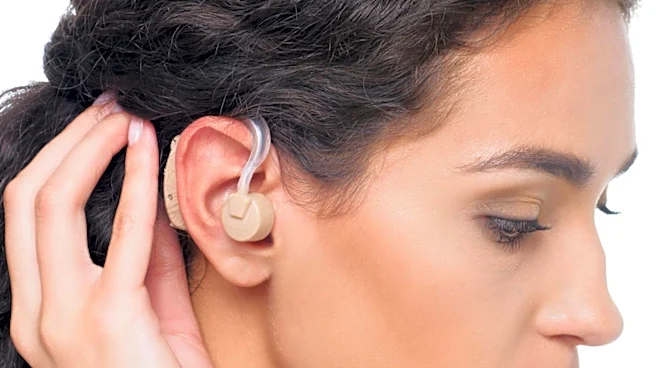
The pursuit of fully implantable hearing technology reflects a broader trend in medical innovation towards less invasive and more integrated solutions. This development could significantly impact the social and psychological well-being of individuals with hearing loss, offering a sense of normalcy and reducing the stigma often associated with visible hearing aids. Beyond the immediate clinical benefits, the success of such technology could spur further research and development in bio-integrated medical devices, pushing the boundaries of what is possible in sensory restoration. However, the long-term implications also involve considerations of cost, accessibility, and the ethical integration of advanced technology into the human body. The extensive patient experience hours underscore the commitment to thorough testing and validation, highlighting the complex journey from innovative concept to widely available medical solution, and the critical role of patient-centered research in shaping the future of healthcare.