






What's Happening?
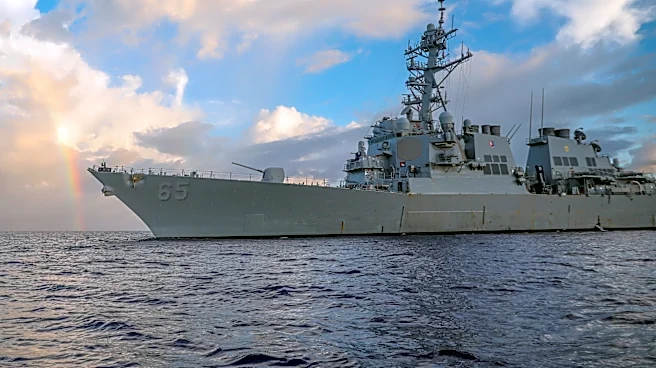
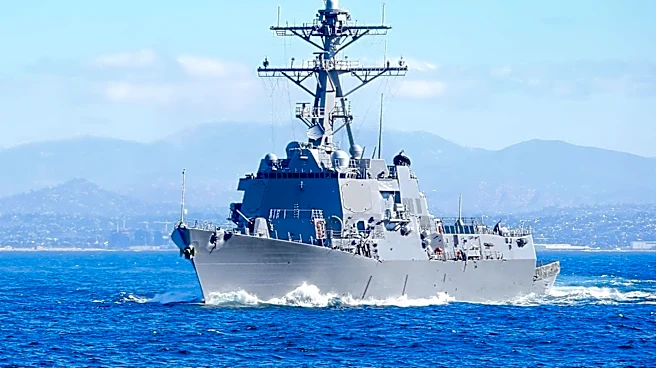
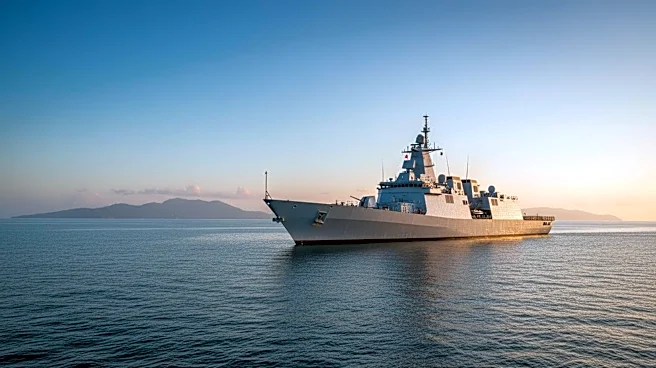
A U.S. guided-missile destroyer, the USS Benfold, experienced a four-day power outage in the South China Sea last month due to an engineering casualty involving its generators. The incident, which occurred on July 24, necessitated towing the warship to Subic
Bay in the Philippines for repairs, where power was restored two days later. According to Cmdr. Matthew Comer, a spokesperson for U.S. 7th Fleet, there were no injuries to the crew, who demonstrated resilience and professionalism. The power loss significantly impacted onboard services, including galley operations, toilets, air conditioning, and potable water. The USS Robert Smalls, a guided-missile cruiser, provided meals to the Benfold's crew during this period. The Navy has not yet disclosed whether the casualty affected critical systems such as propulsion, navigation, communications, sensors, or weapons systems, and an investigation into the cause of the failure is underway. The Arleigh Burke-class destroyer was operating with the USS George Washington Carrier Strike Group at the time of the incident.
Why It's Important?
This incident highlights potential vulnerabilities in U.S. naval operations within the strategically critical South China Sea, a region where the U.S. Navy frequently conducts operations with allies and partners amidst China's expansive territorial claims. The prolonged power loss on a guided-missile destroyer, a key asset in naval power projection, raises concerns about operational readiness and the ability to maintain a consistent presence in contested waters. The reliance on support from a carrier strike group, particularly as the USS George Washington was preparing for deployment to the Middle East, underscores the logistical challenges and potential strain on resources. Such an event could be perceived as a weakening of U.S. naval capabilities in the Indo-Pacific, potentially emboldening rival nations or creating opportunities for miscalculation. The incident also brings into focus the maintenance and engineering integrity of the U.S. destroyer fleet, prompting questions about potential fleet-wide implications and the need for thorough investigations to prevent future occurrences.
What's Next?
The U.S. Navy is currently investigating the cause of the engineering casualty that led to the USS Benfold's power loss. The findings of this investigation will be crucial in determining whether the incident was an isolated event or indicative of broader maintenance or design issues within the destroyer fleet. It remains unclear whether the Benfold will rejoin the USS George Washington Carrier Strike Group for its Middle East deployment after regaining power. The 7th Fleet has not yet indicated if this casualty will trigger maintenance checks or other actions across the destroyer fleet. Future actions will likely involve a comprehensive review of maintenance protocols, potential upgrades to generator systems, and enhanced training for engineering crews to prevent similar incidents. The incident may also lead to discussions within the Pentagon regarding the operational demands placed on the Navy, particularly as it balances commitments in both the Middle East and the Indo-Pacific, and the need to ensure the sustained readiness of its vessels.
Beyond the Headlines
The power loss on the USS Benfold in the South China Sea carries deeper implications beyond immediate operational concerns. It underscores the constant, high-stakes environment in which the U.S. Navy operates globally, particularly in regions of geopolitical tension. The incident could fuel narratives from competing powers regarding the reliability and advanced capabilities of U.S. naval assets, potentially impacting regional perceptions of American strength and influence. Furthermore, it highlights the complex interplay between technological sophistication and the human element in maintaining operational integrity; while advanced systems are critical, the resilience and professionalism of the crew in managing a crisis are equally vital. The incident also implicitly raises questions about the long-term sustainability of maintaining a global naval presence with an aging fleet and the continuous need for significant investment in maintenance, modernization, and personnel training to uphold strategic objectives in a dynamic international landscape.