






What's Happening?
The commercial space sector is playing an increasingly significant role in supporting military operations, with varying degrees of availability across different mission areas. Historically dominated by state actors, the 'New Space' era has seen rapid
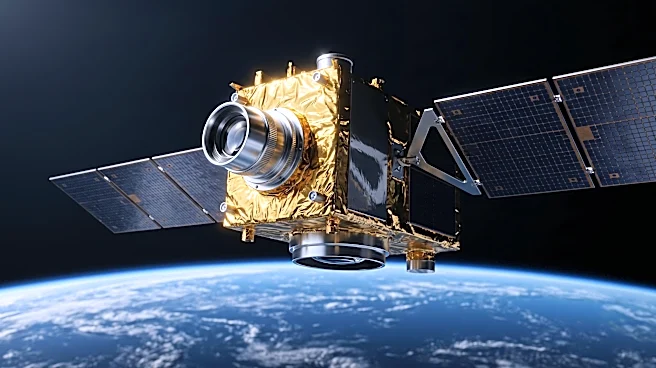
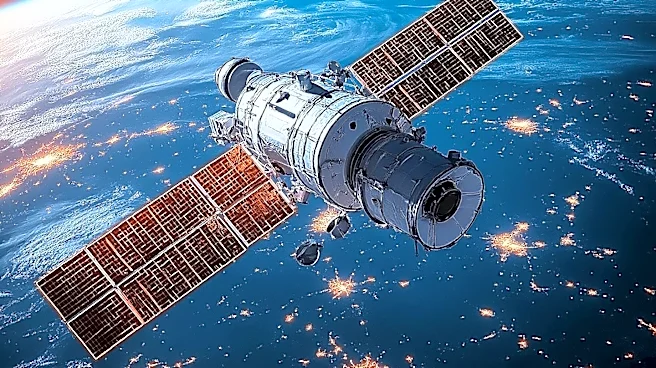
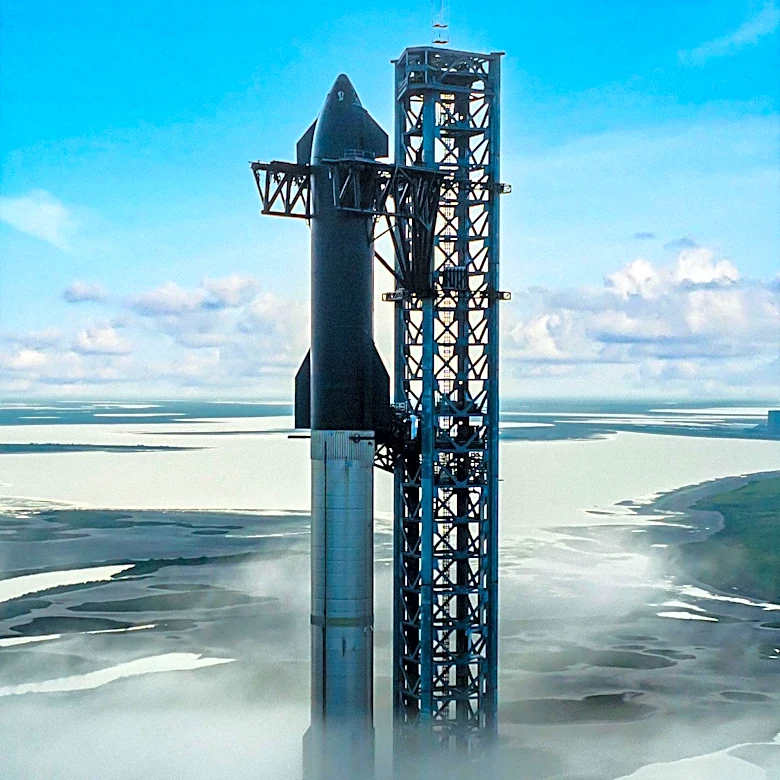
innovation, reduced costs, and private investment, lowering entry barriers for commercial entities. This transformation has led armed forces to rely more on commercial providers for services such as launch, ground-segment support, satellite communications (SATCOM), and remote sensing. For instance, Western states now predominantly access orbit through commercial providers, and the U.S. military relies on them for all its launch requirements. However, the availability of commercial services is not uniform. Mission areas like missile warning and counterspace operations remain exclusively within governmental purview due to their inherent military nature, lack of commercial demand, and critical security implications. Other areas, such as environmental monitoring and positioning, navigation, and timing (PNT), have low to moderate commercial availability, often due to high capital costs, competition with free public data, or the critical nature of the service requiring state provision. The war in Ukraine has significantly shaped current demand for commercial space services, particularly in SATCOM and Intelligence, Surveillance, and Reconnaissance (ISR).
Why It's Important?
The increasing reliance on commercial space services by military forces signifies a fundamental shift in defense strategies and resource allocation. This trend allows military organizations to leverage private sector innovation, potentially reducing costs and accelerating technological adoption. For U.S. industries, this creates significant opportunities for growth in the commercial space sector, particularly for companies offering launch services, satellite communications, and advanced remote sensing capabilities. However, it also introduces new challenges related to cybersecurity, data jurisdiction, and supply chain resilience, as military operations become more intertwined with commercial infrastructure. The varied availability across mission areas highlights strategic vulnerabilities; while commercial solutions can augment capabilities in some domains, critical functions like missile warning and offensive counterspace operations remain solely dependent on sovereign capabilities. This necessitates a careful balance between leveraging commercial advantages and maintaining independent, secure national defense assets. The post-Ukraine conflict environment could also impact market dynamics, potentially leading to demand fluctuations and market consolidation, which would affect the long-term viability of some commercial providers and, consequently, military access to these services.
What's Next?
The trajectory of commercial space services for military use will likely involve continued integration in areas with high commercial availability, such as launch and SATCOM, while governments focus on maintaining sovereign capabilities for critical, non-commercializable missions. Future developments will likely see increased investment in commercial ISR and ground station as a service (GSaaS), driven by ongoing technological advancements and military demand for enhanced data and connectivity. However, the long-term financial stability of commercial providers, especially those heavily reliant on government contracts, will be a key factor. Governments will need to establish robust regulatory frameworks to address issues of data security, intellectual property, and operational reliability when utilizing commercial services for defense. There may also be a push for greater standardization and interoperability between commercial and military systems to ensure seamless integration and operational effectiveness. The potential for market contraction post-conflict in Ukraine could lead to consolidation among commercial space companies, impacting the competitive landscape and potentially altering service availability and pricing for military clients. Furthermore, the development of new technologies like LEO PNT constellations could disrupt existing ecosystems, offering new commercial opportunities and challenges for military applications.
Beyond the Headlines
The growing commercialization of space for military purposes raises profound ethical and legal questions. The blurring lines between civilian and military space assets could complicate international norms regarding the peaceful use of outer space and potentially escalate conflicts. For instance, the targeting of commercial satellites used for military purposes could be seen as an act of war, expanding the scope of potential conflict beyond traditional military targets. There are also significant implications for national sovereignty and control over critical defense infrastructure. Relying on commercial entities, some of which may be foreign-owned or operate under different national jurisdictions, introduces complexities regarding data ownership, access, and potential vulnerabilities to foreign influence or cyberattacks. This necessitates a re-evaluation of international space law and governance to address these emerging dual-use capabilities and the responsibilities of both state and non-state actors in space. The long-term shift could lead to a more distributed and resilient space architecture, but also one that is more complex to manage and secure, requiring innovative approaches to international cooperation and arms control in space.