


What's Happening?
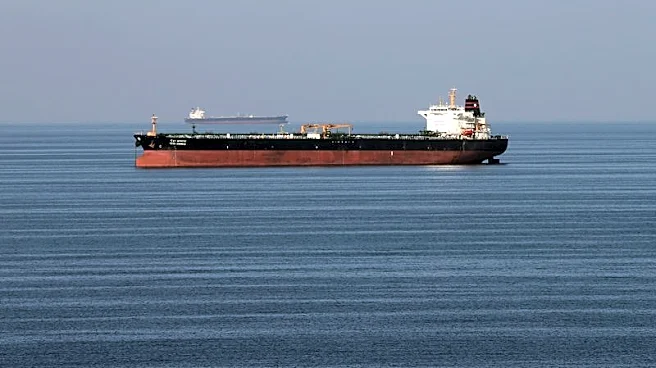
The United States is spearheading a new initiative under the International Atomic Energy Agency (IAEA) called ATLAS, which stands for Atomic Technologies Licensed for Applications at Sea. This initiative aims to establish international regulations for the use
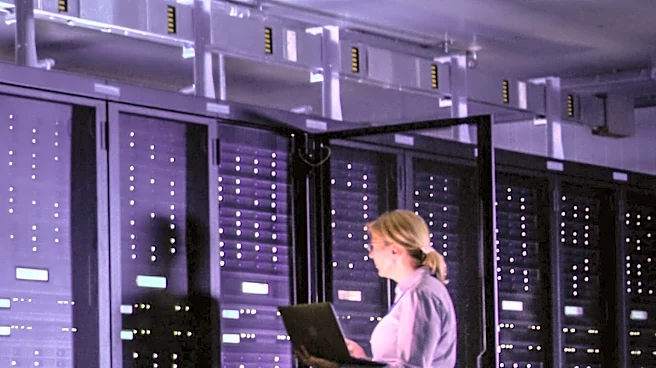
of civilian nuclear reactors on ships, floating power plants, and offshore industrial operations. The U.S. is hosting a meeting in Washington on August 25, where ministers, regulators, and business leaders will discuss these developments. The initiative is part of a broader strategy to address the increasing energy demands from artificial intelligence, data centers, and manufacturing sectors. The U.S. Department of Energy has recently extended an emergency order to manage power supply and has secured a significant loan to enhance battery storage in Puerto Rico.
Why It's Important?
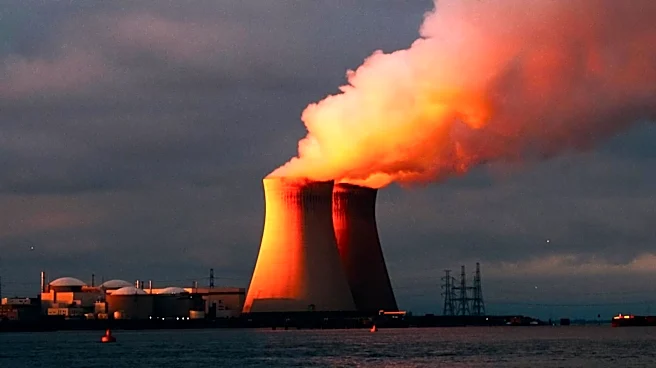
The ATLAS initiative represents a significant step in diversifying energy sources and addressing the growing energy needs of modern industries. By exploring nuclear energy applications at sea, the U.S. is positioning itself as a leader in innovative energy solutions. This move is crucial as the country's electrical grid faces challenges in meeting the demands of emerging technologies. The initiative could lead to the development of new markets and regulatory frameworks, influencing global energy policies. However, it also highlights the competition for traditional energy infrastructure, as both the U.S. and Mexico seek to expand their energy capacities.
What's Next?
The upcoming meeting in Washington will be pivotal in shaping the future of nuclear energy applications at sea. The discussions are expected to focus on regulatory frameworks, safety standards, and international cooperation. The U.S. will likely continue to invest in advanced reactors and infrastructure to support its energy transition. Meanwhile, Mexico's energy plans may need to adapt to these developments, potentially leading to increased collaboration or competition in the energy sector.