








What's Happening?
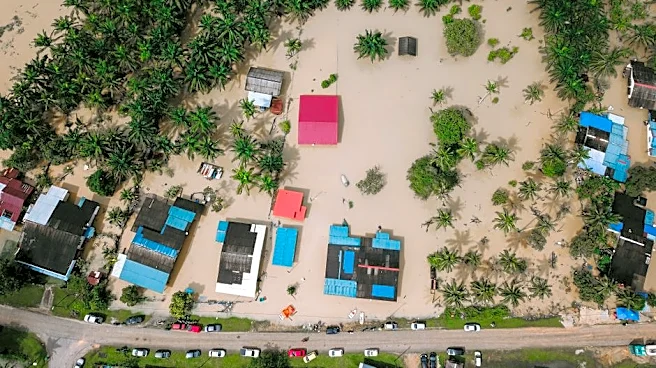
The U.S. Plains region is facing a significant threat of severe storms and multi-day flooding this week, impacting areas from Texas to Missouri. On Tuesday, cities including Kansas City, Des Moines, St. Louis, Lubbock, and Amarillo are under threat. Forecasters
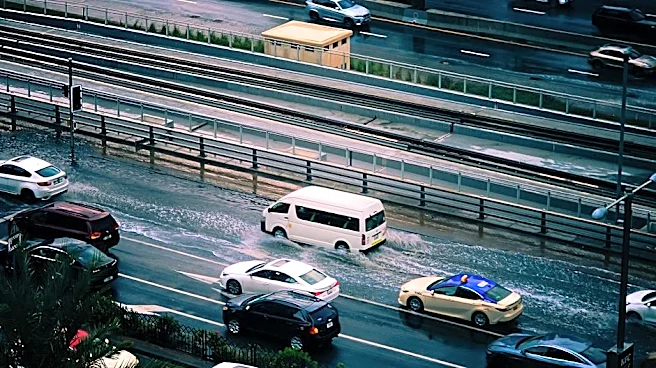
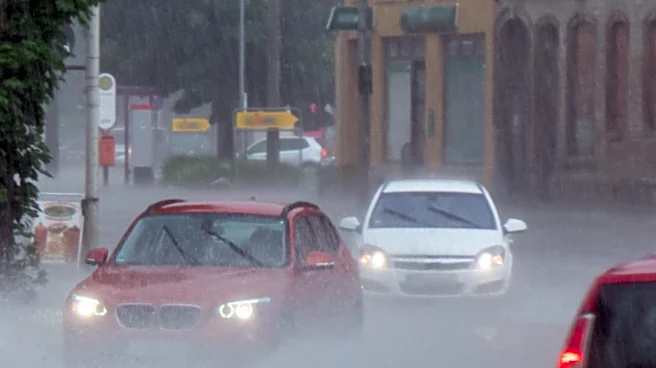
warn of potential damaging winds, hail, and tornadoes. The heavy rainfall associated with these storms could also lead to flash flooding. These same threats are expected to persist on Wednesday across many of the same locations, indicating a prolonged period of hazardous weather for the central United States. Residents in the affected areas are advised to stay vigilant and prepare for adverse conditions.
Why It's Important?
The multi-day threat of severe storms and flooding across the Plains region carries significant implications for public safety, infrastructure, and local economies. Damaging winds and tornadoes pose an immediate risk to life and property, potentially causing widespread destruction to homes, businesses, and agricultural operations. Flash flooding can render roads impassable, disrupt transportation, and lead to significant property damage. The agricultural sector, a cornerstone of the Plains economy, is particularly vulnerable to severe weather, with potential crop damage and livestock losses. The prolonged nature of this threat means that emergency services and local communities will be under sustained pressure, requiring coordinated response efforts. This event underscores the ongoing challenge of extreme weather events in the U.S. and the need for robust preparedness and mitigation strategies.
What's Next?
Residents in the affected Plains states should closely monitor local weather advisories and emergency broadcasts for updates on storm progression and flood warnings. Emergency management agencies will likely issue specific alerts and guidance as the storms develop. Communities may activate flood response plans, including the distribution of sandbags and the preparation of evacuation routes if necessary. Businesses in the impacted areas should consider contingency plans for potential disruptions. In the aftermath of the storms, recovery efforts will focus on assessing damage, clearing debris, and restoring essential services. The long-term implications may include evaluating the resilience of infrastructure and updating emergency protocols in response to the severity and duration of these weather events.
Beyond the Headlines
The recurring pattern of severe weather in the U.S. Plains, including tornadoes, hail, and flash floods, highlights the region's inherent vulnerability to atmospheric phenomena. This week's forecast underscores the broader challenges of climate variability and its potential impact on weather patterns. The economic ripple effects of such events extend beyond immediate property damage, affecting insurance markets, agricultural commodity prices, and regional development. Furthermore, the psychological toll on communities repeatedly facing severe weather threats can be substantial, leading to increased stress and displacement. This situation prompts ongoing discussions about land use planning, building codes, and the effectiveness of early warning systems in mitigating the human and economic costs of extreme weather in a changing climate. It also emphasizes the importance of community resilience and mutual aid networks in disaster response.