


What's Happening?
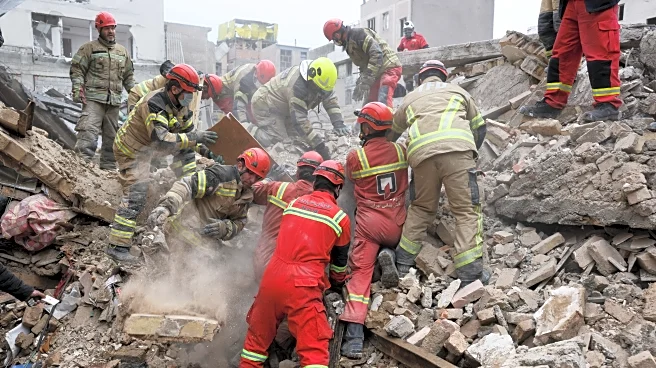
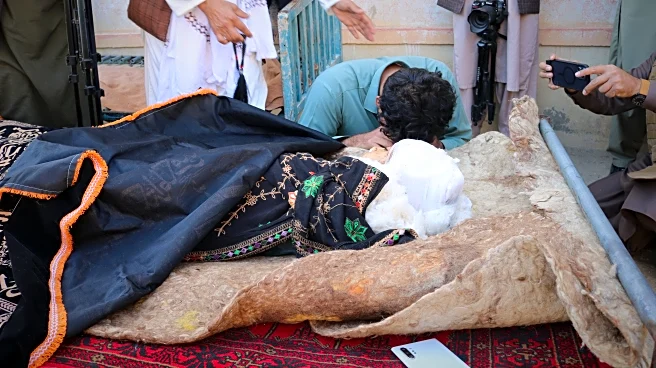
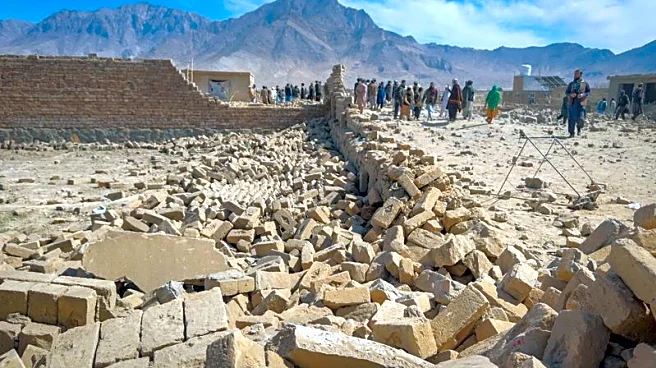
Afghanistan's Taliban government has accused Pakistan of conducting airstrikes that targeted civilian homes in Kabul and Kandahar, resulting in at least four civilian deaths. The accusations come amid ongoing hostilities between the two nations, which
have seen increased military actions since late February. Pakistan's military operations, which it claims are aimed at the Pakistani Taliban, have been met with retaliatory strikes from Afghanistan. The conflict has intensified despite previous ceasefire agreements brokered by Qatar and Turkey. The situation remains tense, with both sides reporting significant casualties.
Why It's Important?
The escalating conflict between Afghanistan and Pakistan poses significant risks to regional stability and could have broader implications for international relations. The ongoing hostilities threaten to destabilize the region further, potentially impacting global security and economic interests. The involvement of international actors, such as China, highlights the geopolitical complexities of the situation. The conflict also underscores the challenges in addressing militant activities and the difficulties in achieving lasting peace in the region. The humanitarian impact is severe, with civilian casualties and infrastructure damage exacerbating the crisis.
What's Next?
The continuation of military operations by both Afghanistan and Pakistan suggests that tensions are unlikely to de-escalate in the near term. International diplomatic efforts may be necessary to mediate the conflict and prevent further escalation. The involvement of China and other regional powers could play a crucial role in facilitating dialogue between the two nations. Additionally, the international community may increase pressure on both governments to adhere to ceasefire agreements and engage in constructive negotiations to address underlying issues.