


What's Happening?
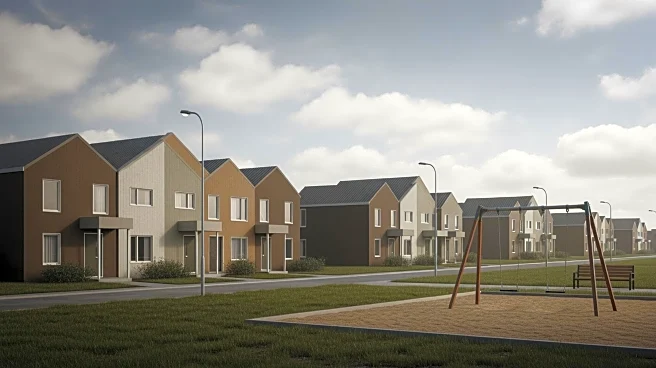
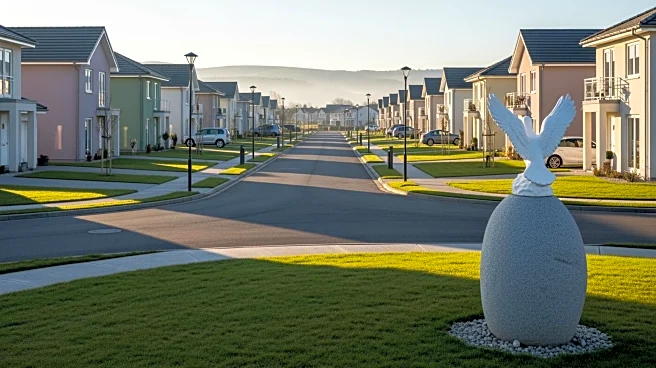
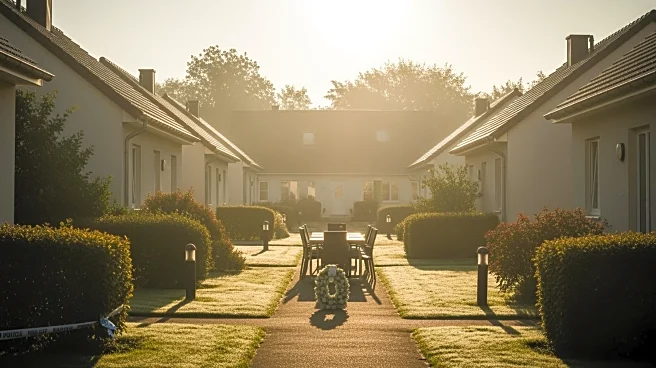
North Korea has completed a new housing district in Pyongyang dedicated to the families of North Korean soldiers who died while fighting alongside Russian forces in Ukraine. This development is part of a broader effort by North Korean leader Kim Jong
Un to honor the war dead and bolster internal unity. The new street, named Saeppyol Street, was showcased in state media photos featuring Kim Jong Un and his daughter, Kim Ju Ae, visiting the homes of some families. This initiative follows North Korea's intensified propaganda efforts, including the establishment of a memorial wall and a museum, to glorify the troops deployed to the Russia-Ukraine war. According to South Korea's National Intelligence Service, approximately 6,000 North Korean troops have been killed or wounded in the conflict, with the agency noting that North Korean forces are gaining modern combat experience and Russian technical support.
Why It's Important?
The construction of the housing district highlights North Korea's commitment to supporting its military personnel and their families, which could serve to strengthen domestic loyalty and morale. This move also underscores the deepening military ties between North Korea and Russia, as both nations face confrontations with the United States. The involvement of North Korean troops in the Russia-Ukraine conflict provides them with valuable combat experience and access to Russian military technology, potentially enhancing North Korea's military capabilities. This development could have significant implications for regional security dynamics, particularly in the context of North Korea's ongoing military advancements and its relationship with global powers.
What's Next?
North Korea is preparing to open a major ruling party congress later this month, where Kim Jong Un is expected to outline his major domestic and foreign policy goals for the next five years. This congress may also see further steps to consolidate Kim's control over the country. The international community will likely monitor these developments closely, as they could signal North Korea's future military and diplomatic strategies. Additionally, the continued collaboration between North Korea and Russia may prompt responses from other nations, particularly those aligned with Ukraine or opposed to Russian actions.
Beyond the Headlines
The construction of the housing district and the glorification of soldiers who died in the Russia-Ukraine conflict reflect North Korea's strategic use of propaganda to maintain internal stability. By honoring the war dead, the regime aims to foster a sense of national pride and sacrifice, which could mitigate potential public discontent. This approach also highlights the regime's reliance on military achievements to legitimize its rule and distract from domestic challenges. The international community may view these actions as part of North Korea's broader strategy to assert its influence and secure its position on the global stage.