



What's Happening?
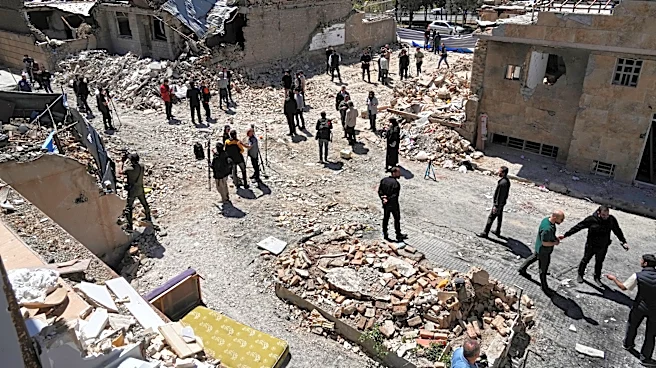
In recent developments, more than 50 medics have been killed in Lebanon due to Israeli airstrikes, according to Lebanese government reports. The Lebanese Red Cross and other humanitarian organizations have raised concerns about the targeting of healthcare
workers and facilities. The Israeli military, however, denies these allegations, stating that any harm to medics was unintentional and occurred during operations against Hezbollah, which they accuse of using medical facilities for military purposes. Human rights organizations, including Amnesty International and Human Rights Watch, have condemned the attacks, labeling them as potential war crimes. They argue that health workers are protected under international law and should not be targeted. The World Health Organization has also called for an immediate cessation of attacks on health facilities.
Why It's Important?
The situation highlights the ongoing humanitarian crisis in conflict zones where medical personnel are increasingly at risk. The targeting of healthcare workers not only violates international laws but also hampers the delivery of essential medical services to civilians in need. This development could further strain relations between Israel and Lebanon and draw international scrutiny and potential diplomatic repercussions. The accusations against Israel could lead to increased pressure from global human rights organizations and potentially influence international policy and aid decisions. The safety of medical personnel in conflict zones is a critical issue that affects the ability to provide humanitarian aid and maintain public health standards.
What's Next?
Lebanon's government has initiated the process of filing a complaint with the U.N. Security Council, seeking accountability and protection for healthcare workers. The international community may respond with calls for investigations and potential sanctions. Israel may face increased diplomatic pressure to justify its military actions and ensure compliance with international humanitarian laws. Human rights organizations are likely to continue monitoring the situation and advocating for the protection of medical personnel. The outcome of these diplomatic and legal actions could set precedents for how similar situations are handled in future conflicts.
Beyond the Headlines
The targeting of healthcare workers in conflict zones raises ethical and legal questions about the conduct of military operations and the protection of non-combatants. It underscores the need for robust international mechanisms to ensure accountability and prevent violations of humanitarian laws. The situation also highlights the challenges faced by humanitarian organizations operating in conflict zones, where their neutrality and safety are often compromised. Long-term, this could lead to changes in how international aid is delivered and protected in war-torn regions.