



What's Happening?
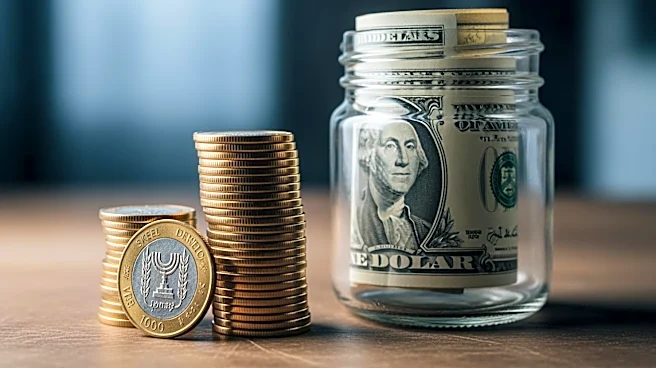
In recent days, the value of the U.S. dollar has fallen below the three-shekel mark, prompting a rush among Israelis to purchase U.S. currency. This surge in demand has led to widespread shortages at currency exchange outlets across the nation. The rush is driven
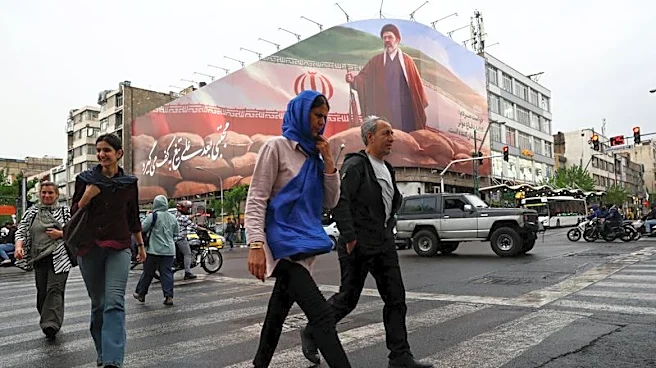
by fears that the exchange rate will increase due to ongoing security tensions and conflicts involving Iran and Hezbollah. Many Israelis, particularly those planning to travel abroad for the Shavuot holiday and summer vacations, are buying large amounts of dollars, exacerbating the shortage. The situation has been compounded by a temporary halt in foreign currency shipments due to the conflict, although shipments have recently resumed.
Why It's Important?
The shortage of U.S. dollars in Israel highlights the economic vulnerabilities tied to geopolitical tensions. The manufacturing sector, in particular, is expressing concern over the strong shekel, which threatens export profitability. A strong shekel reduces the competitiveness of Israeli exports by decreasing profit margins, potentially leading to factory closures and job losses. The situation underscores the delicate balance between currency valuation and economic stability, with potential long-term impacts on Israel's industrial and economic landscape. The strong shekel could also prompt multinational companies to consider relocating, affecting state revenues and possibly leading to higher taxes.
What's Next?
As foreign currency shipments resume, the immediate shortage of U.S. dollars is expected to ease. However, the broader economic implications remain a concern. The Israeli government and financial institutions may need to take measures to stabilize the currency market and support the manufacturing sector. This could involve interventions by the Bank of Israel or policy adjustments by the Finance Ministry to prevent further economic disruption. The situation will likely require ongoing monitoring and strategic responses to mitigate the risks associated with currency fluctuations and geopolitical tensions.