



What's Happening?
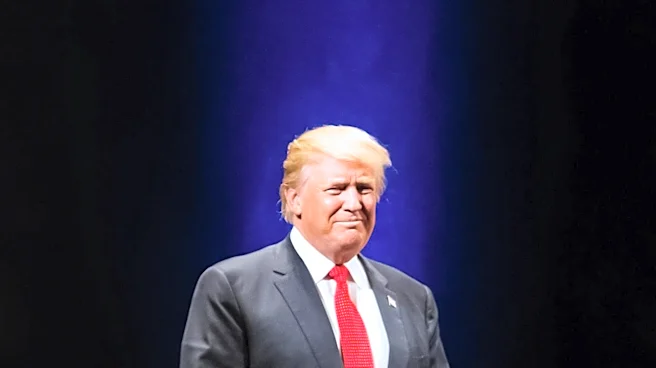
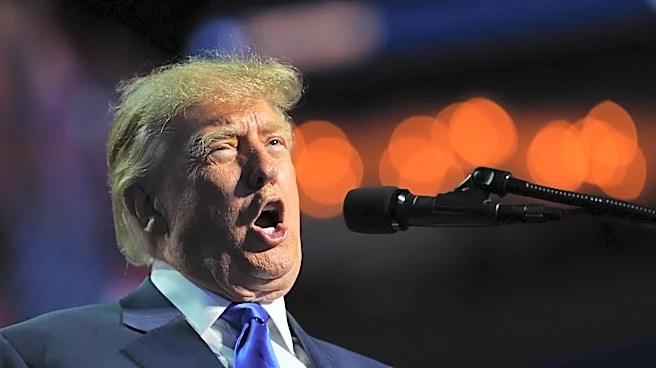
U.S. Senator Rand Paul, a Kentucky Republican, has voiced concerns regarding rapid debt accrual, indicating an unwillingness to support further debt limit extensions without significant spending cuts. This stance comes as President Trump gathers Republicans
for their first-ever midterm convention, with the November midterm elections expected to shape the remainder of Trump's term and the 2028 presidential cycle. The national debt has seen a rapid increase, with approximately $2.9 trillion of the $5 trillion added to the debt limit in 2025 having already been utilized by June. The current debt limit is projected to be reached by mid-2027, potentially leading to a negotiation in 2027 or early 2028, a period that would coincide with presidential primaries, reducing incentives for compromise.
Why It's Important?
Senator Paul's position as a fiscal hawk highlights a significant internal division within the Republican party regarding government spending and debt management. This division could pose a substantial obstacle to President Trump's legislative agenda, particularly concerning fiscal matters. The inability to extend the debt limit without spending cuts could lead to a government shutdown or a default on national debt obligations, which would have severe economic consequences, including market shocks. The timing of these potential fiscal confrontations, coinciding with presidential primaries, could further complicate negotiations, as political considerations might overshadow economic stability. This situation underscores the critical role of congressional fiscal conservatives in influencing national economic policy and potentially constraining presidential power, even within their own party.
What's Next?
The immediate future involves navigating the period after the midterms and before the new Congress takes office, which will determine the leverage points for debt limit negotiations. President Trump is pushing for the use of the budget reconciliation process to lift the debt limit by another $5 trillion and secure funding for defense and agricultural aid. However, this process requires a budget resolution adopted by both chambers, meaning a Democratic House would likely prevent its use. Republicans will also need Democratic support to fund the government before current appropriations expire on December 11. These upcoming negotiations will set the stage for more significant confrontations in the new year, with potential for government shutdowns and debates over spending conditions. The outcome will depend on the balance of power in Congress after the midterms and the willingness of both parties to compromise.
Beyond the Headlines
Senator Paul's stance on fiscal responsibility reflects a deeper ideological commitment within a segment of the Republican party to reduce government spending and national debt. This commitment often clashes with the realities of governing and the demands for various federal programs. The ongoing debate over the debt ceiling and spending cuts is not merely a technical budgetary issue but a recurring political battle that reveals fundamental disagreements about the size and scope of government. The potential for a government shutdown or default, while economically disruptive, also serves as a powerful political tool for both parties. This dynamic highlights the fragility of political consensus on fiscal policy and the challenges of long-term financial planning in a highly partisan environment. The long-term implications include potential impacts on national credit ratings, investor confidence, and the government's ability to fund essential services and respond to crises.