



What's Happening?
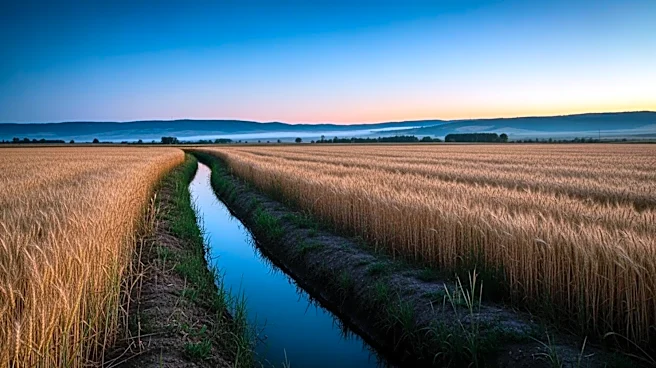
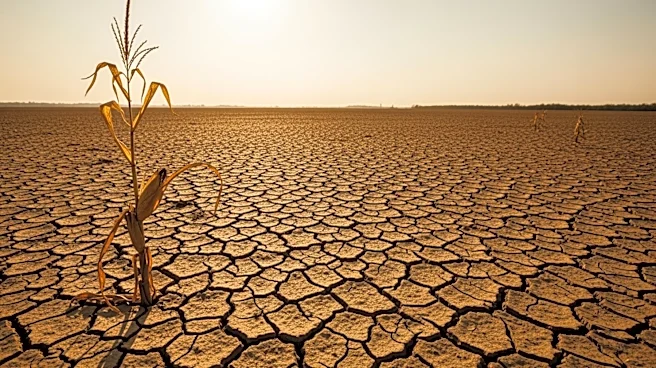
Mississippi is experiencing severe drought conditions, particularly affecting the Mississippi Delta, a key agricultural region. The drought has raised concerns among farmers as the growing season begins with minimal rainfall. Mississippi Agricultural
Commissioner Andy Gipson highlighted the impact on major crops such as soybeans, cotton, and corn, which are predominantly grown in the Delta. While irrigation systems are in place in some areas, other regions lack sufficient irrigation capacity, posing a threat to livestock and crops like peanuts and sweet potatoes. Commissioner Gipson has urged support for local farmers facing high costs and trade issues exacerbated by the drought.
Why It's Important?
The drought in Mississippi is critical as it threatens the state's agricultural output, which is a significant component of its economy. The lack of rainfall could lead to reduced crop yields and increased costs for farmers, potentially affecting food supply and prices. The situation underscores the vulnerability of agriculture to climate variability and the need for sustainable water management practices. The economic impact could extend beyond Mississippi, influencing national agricultural markets and trade. Supporting local farmers is crucial to mitigate the economic and social effects of the drought.
What's Next?
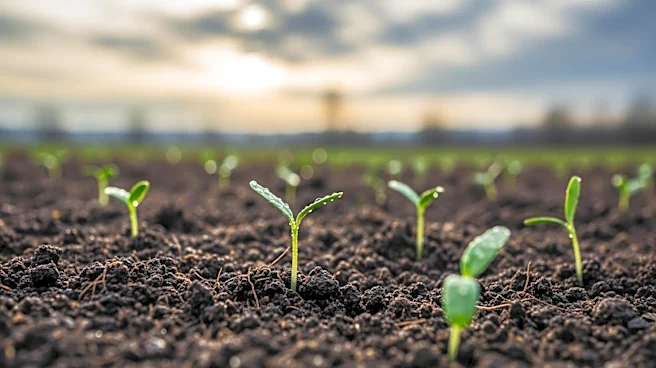
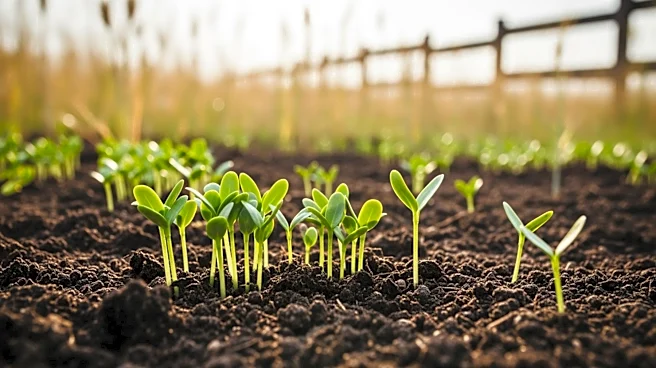
Farmers and state officials will need to explore strategies to cope with the ongoing drought, including enhancing irrigation infrastructure and adopting drought-resistant crop varieties. The state may seek federal assistance to support affected farmers and implement long-term solutions. Monitoring weather patterns and adjusting agricultural practices will be essential to adapt to changing climate conditions. The broader agricultural community will be watching Mississippi's response as a case study in managing drought impacts.