
What's Happening?
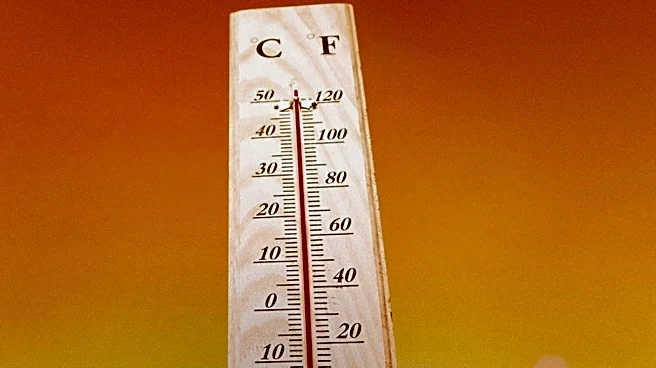
Europe is experiencing its worst heatwave on record, leading to a heated debate over the adoption of air conditioning. As temperatures soar, the lack of air conditioning in many European homes has been
criticized, with health experts advocating for its use in vulnerable areas like hospitals and care homes. The debate has been further inflamed by U.S. commentators who view Europe's situation as evidence of overregulation. In response, some European political parties have shifted their stance, now supporting air conditioning to combat heat-related deaths. Despite this, the adoption of air conditioning remains low in Europe compared to countries like the U.S., where it is a norm.
Why It's Important?
The debate over air conditioning in Europe highlights broader issues of climate adaptation and energy policy. As global temperatures rise, the demand for cooling solutions is expected to increase significantly, impacting energy consumption and infrastructure. The situation in Europe serves as a case study for balancing immediate public health needs with long-term environmental goals. The U.S. commentary on Europe's approach underscores differing cultural and policy perspectives on climate adaptation, potentially influencing future transatlantic policy discussions. The outcome of this debate could affect global strategies for managing heatwaves and climate change.
What's Next?
As Europe continues to grapple with extreme heat, the debate over air conditioning is likely to intensify. Political parties may face pressure to prioritize public health over environmental concerns, potentially leading to policy shifts. The increased demand for air conditioning could drive technological innovations in energy-efficient cooling solutions. Additionally, the discourse may influence international climate policy, as countries seek to balance immediate adaptation needs with long-term sustainability goals. Monitoring the impact of these decisions on public health and energy consumption will be crucial in shaping future climate strategies.
Beyond the Headlines
The air conditioning debate in Europe also raises ethical questions about energy equity and climate justice. As cooling becomes a necessity, disparities in access to air conditioning could exacerbate social inequalities. The focus on cooling data centers during heatwaves highlights the tension between technological advancement and human welfare. These issues underscore the need for comprehensive policies that address both environmental sustainability and social equity, ensuring that vulnerable populations are not left behind in the transition to a climate-resilient future.