
What's Happening?
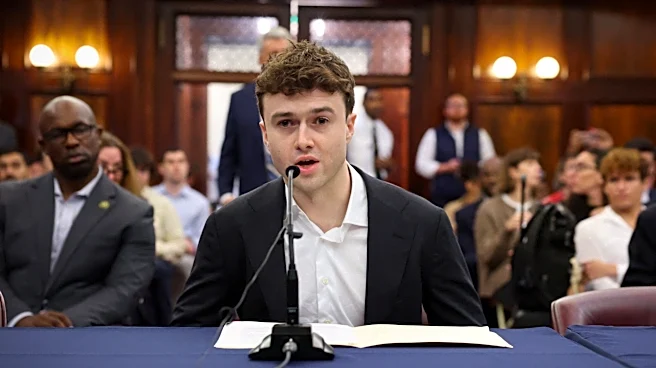
On October 5, OpenAI, the creator of ChatGPT, hosted a forum to discuss stronger safety measures for teenagers using artificial intelligence tools. This discussion comes amidst a growing pushback against
the overuse of technology in schools, extending from cellphones and Chromebooks to AI. Recently, the New York City Public Schools and the Los Angeles Unified system implemented restrictions on student AI use, with New York prohibiting it in elementary and middle schools and Los Angeles restricting it for all students. The panel, moderated by Chris Lehane, OpenAI's chief global affairs officer, included experts from the American Psychological Association, the Center for Democracy & Technology, everyoneAI, and CodeAI. Key takeaways emphasized the need for teens to learn responsible AI use, the importance of designing AI tools with students' developmental stages in mind, and the necessity of collaboration among tech companies, lawmakers, researchers, educators, parents, and students.
Why It's Important?
The increasing integration of AI into educational settings presents both opportunities and challenges, particularly concerning the safety and developmental impact on teenagers. While proponents argue that AI literacy is crucial for preparing students for a future where AI will be prevalent in careers and daily life, concerns about potential harms are leading major school districts to implement restrictions. This forum highlights the critical need for a balanced approach that fosters AI literacy while safeguarding young users. The discussion underscores the importance of proactive measures in AI development and policy to avoid repeating past mistakes made with social media, which led to unforeseen negative consequences for youth mental health. The outcomes of these discussions could influence future AI design, educational curricula, and regulatory frameworks, shaping how an entire generation interacts with advanced technology.
What's Next?
The ongoing dialogue among industry leaders, researchers, and policymakers is expected to continue shaping the future of AI in education. The call for AI literacy standards and funding for teacher professional development suggests potential policy initiatives at state and federal levels. The emphasis on designing AI tools that are developmentally appropriate for children and adolescents will likely influence product development within tech companies, potentially leading to new features and safeguards. The public comment period for regulations and ongoing legislative efforts will also play a role in defining the boundaries and responsibilities surrounding AI use in schools. The goal is to foster a competitive environment where companies prioritize safety, making it a key differentiator for parents and educators choosing AI products.
Beyond the Headlines
The debate surrounding AI in schools touches upon deeper societal questions about technological progress, ethical responsibility, and the future of learning. The comparison to the challenges posed by social media highlights a collective desire to learn from past experiences and implement preventative measures rather than reactive ones. This involves not only technical solutions but also a cultural shift towards prioritizing child safety and well-being in technological innovation. The discussion also implicitly addresses the digital divide, as access to safe and effective AI tools could become another factor in educational equity. Ultimately, the decisions made now regarding AI in education will have long-lasting implications for how future generations develop critical thinking skills, navigate complex information environments, and prepare for an increasingly AI-driven world.