




What's Happening?
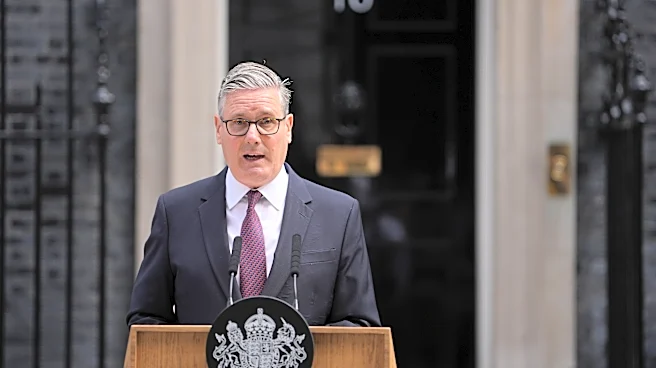
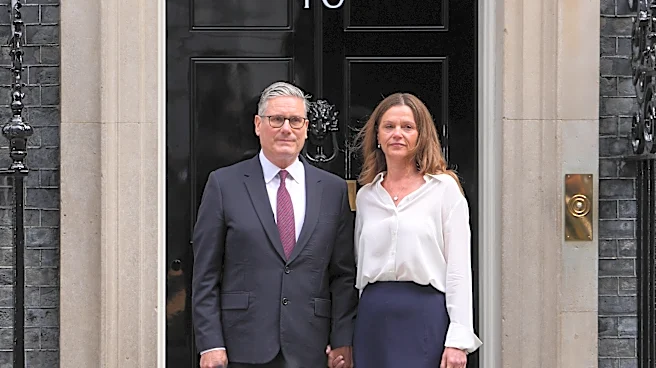
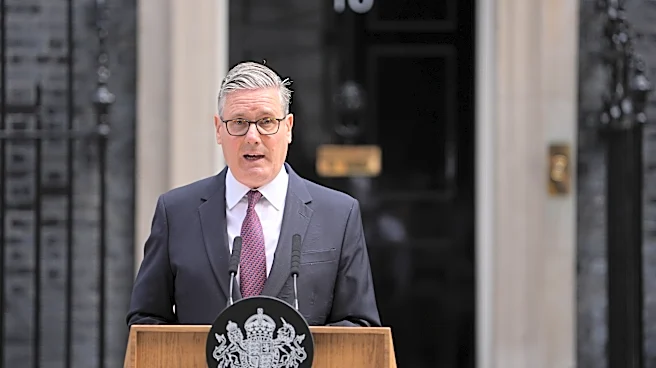
British Prime Minister Keir Starmer has announced his resignation following months of declining support and mounting pressure from within his own Labour Party. Starmer, who led Labour to a significant election victory in 2024, has faced criticism over
his leadership style and policy decisions. His resignation comes as the UK prepares to appoint its seventh prime minister since the 2016 Brexit referendum, highlighting a period of political instability. Andy Burnham, a prominent Labour politician, is seen as a leading candidate to succeed Starmer, with a leadership contest set to begin soon.
Why It's Important?
Starmer's resignation underscores the ongoing political volatility in the UK, a situation that has persisted since the Brexit vote. The frequent changes in leadership have implications for both domestic and international policies, including the UK's relationship with the United States. Starmer's departure may lead to shifts in policy direction, particularly in areas like immigration and defense, which have been contentious under his leadership. The outcome of the leadership contest could also influence the Labour Party's strategy in future elections and its ability to maintain political stability.
What's Next?
The Labour Party will initiate a leadership contest to select Starmer's successor, with nominations opening on July 9. The new leader is expected to be in place before the parliamentary summer break. Andy Burnham, who recently returned to Parliament, is a strong contender for the position. The new prime minister will face the challenge of uniting the party and addressing the issues that led to Starmer's resignation. Additionally, the new leader will need to navigate the UK's relationship with the US, particularly in light of President Trump's critical stance on Starmer's policies.