



What's Happening?
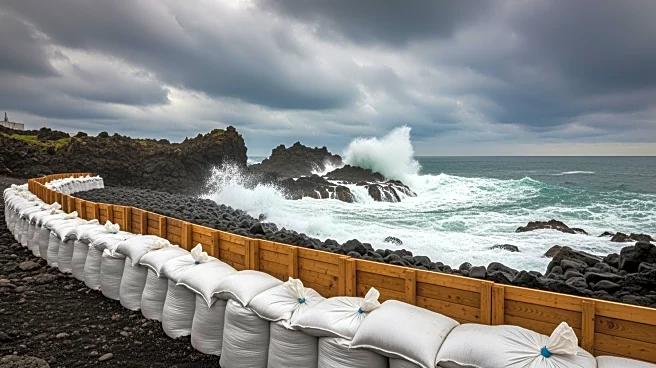
In Reynisfjörður, Iceland, local property owners are actively working to protect their land from the effects of rising sea levels and land erosion. The community has employed a thirteen-ton excavator and a small scraper to dig ditches and build embankments.
These measures aim to safeguard a frequently flooded parking lot and a nearby restaurant from potential damage. Steinar Björnsson, a resident of Reyni farm in Vík, emphasized the urgency of these actions, noting the ongoing threat posed by natural forces. Despite these efforts, Björnsson expressed concern that the local community is not doing enough to address the risks associated with climate change.
Why It's Important?
The proactive measures taken by residents in Reynisfjörður highlight the increasing impact of climate change on coastal communities. As sea levels rise and land erosion becomes more prevalent, such communities face significant threats to their infrastructure and livelihoods. The actions of these Icelandic residents underscore the need for broader community and governmental involvement in climate adaptation strategies. This situation serves as a microcosm of the global challenges posed by climate change, emphasizing the importance of local initiatives in mitigating environmental risks.
What's Next?
The ongoing efforts in Reynisfjörður may prompt further community discussions and actions regarding climate adaptation. As the threat of land erosion and flooding persists, there may be increased pressure on local and national governments to implement more comprehensive measures to protect vulnerable areas. Additionally, the situation could inspire other coastal communities facing similar challenges to adopt proactive strategies to safeguard their properties and infrastructure.
Beyond the Headlines
The situation in Reynisfjörður raises important questions about the long-term sustainability of coastal living in the face of climate change. It highlights the ethical responsibility of communities and governments to protect vulnerable populations and environments. The actions taken by these residents may also influence cultural perceptions of climate resilience and the importance of community-led initiatives in addressing environmental challenges.