







What's Happening?
Bank Hapoalim, Israel's largest bank, has announced a donation of NIS 5 million ($1.67 million) to Rimon Farms, a network of therapeutic farms in southern Israel. This funding is specifically aimed at supporting survivors of the October 7 attacks who
are struggling with post-traumatic stress disorder (PTSD). The donation is part of the bank's broader NIS 100 million ($33 million) Poalim LeTkuma Fund, an initiative launched after the October 7 attacks to aid communities in their recovery. Rimon Farms, founded by Nir Amitay in 2020, operates seven therapeutic sites across the Negev, combining agricultural work with traditional therapies like group psychotherapy and acupuncture. The organization's model emphasizes hands-on work, such as baking bread and pressing olive oil, to provide participants with tangible results and help them return to the workforce. Since the war began, Rimon Farms has served over 10,000 veterans and residents from the southern region.
Why It's Important?
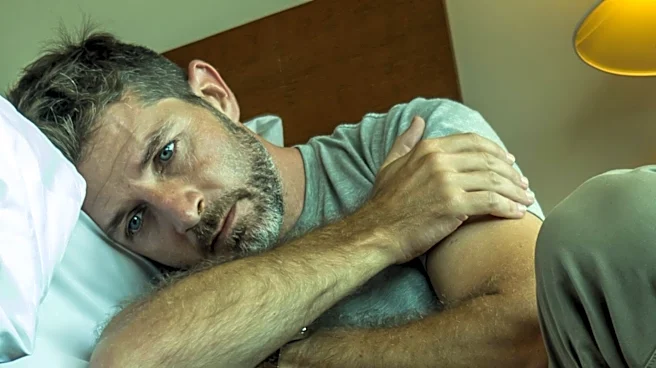
This significant donation highlights the growing recognition of the mental health crisis in Israel following the October 7 attacks, particularly the widespread need for PTSD treatment among survivors and veterans. The funding from Bank Hapoalim, a major financial institution, underscores a trend of increased corporate and philanthropic engagement in addressing these critical social needs. The Rimon Farms model, which integrates agricultural work with psychotherapy, offers an innovative approach to trauma recovery, providing both therapeutic benefits and a pathway to reintegration into the workforce. The support from both Israeli and American philanthropic groups, such as UJA-Federation of New York, demonstrates a strong international partnership in addressing the long-term consequences of the conflict. This collaboration is crucial for building resilience and providing essential services to affected communities, emphasizing that recovery extends beyond immediate aid to include sustained mental health support and community rebuilding.
What's Next?
The funding from Bank Hapoalim will enable Rimon Farms to establish two new therapeutic farms in the Western Negev kibbutzim of Holit and Nahal Oz, areas severely impacted by the October 7 attacks. This expansion will significantly increase the capacity of Rimon Farms to serve more individuals in need of trauma recovery. The continued partnership between Israeli corporate philanthropy and international Jewish philanthropic organizations is expected to grow, as the need for rehabilitation and PTSD intervention remains substantial. Experts like Galia Feit, executive director of the Institute for Law and Philanthropy at Tel Aviv University, anticipate that these partnerships will expand and professionalize philanthropy in Israel, focusing on uncontested causes like rehabilitation. The long-term impact will involve ongoing efforts to support mental health and economic recovery in the affected regions, with a focus on sustainable programs that help individuals rebuild their lives.
Beyond the Headlines
The collaboration between Bank Hapoalim and Rimon Farms, alongside American philanthropic groups, reveals a deeper societal shift towards recognizing and addressing the psychological toll of conflict. The emphasis on therapeutic farming not only provides mental health support but also fosters a sense of community and purpose through tangible work, which can be profoundly healing for individuals experiencing trauma. This initiative also highlights the evolving nature of philanthropy, where corporate entities are increasingly playing a direct role in social welfare, often in partnership with non-profits and international organizations. The statement from Nir Amitay, acknowledging the crucial support from Diaspora Jewry, underscores the strong bonds and mutual reliance between Israel and Jewish communities abroad, particularly in times of crisis. This collective effort transcends financial aid, representing a shared commitment to resilience and recovery, and setting a precedent for how societies can collectively respond to widespread trauma.