



What's Happening?
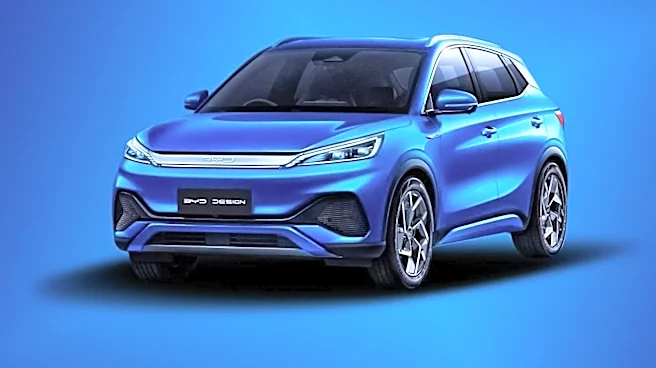
Senator Elissa Slotkin, alongside various auto industry groups, has issued a warning to President Trump regarding the potential implications of allowing China's BYD to establish manufacturing operations in the United States. This concern arises as Chinese
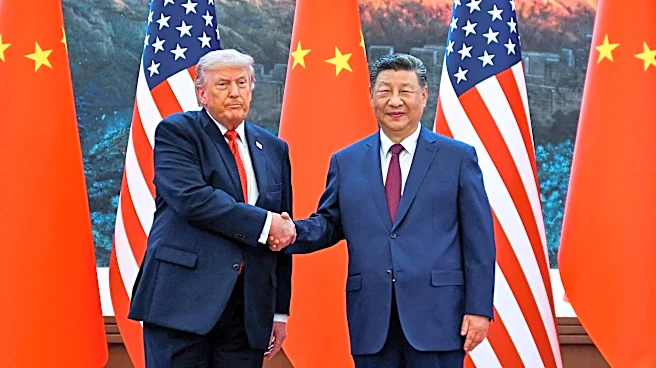
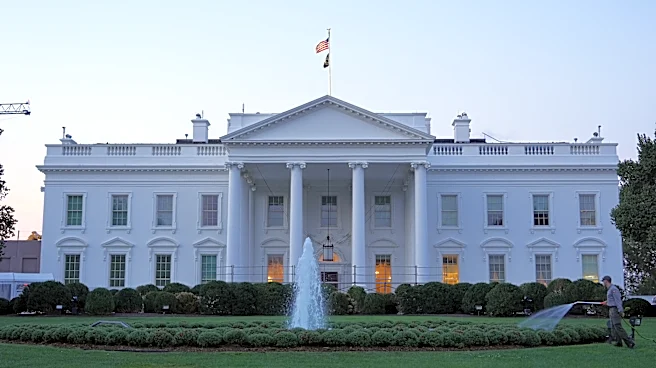
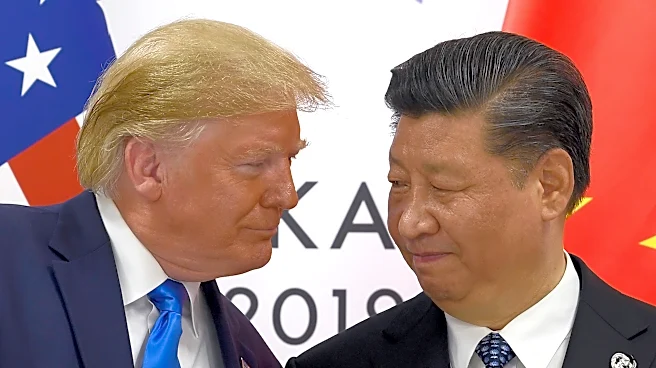
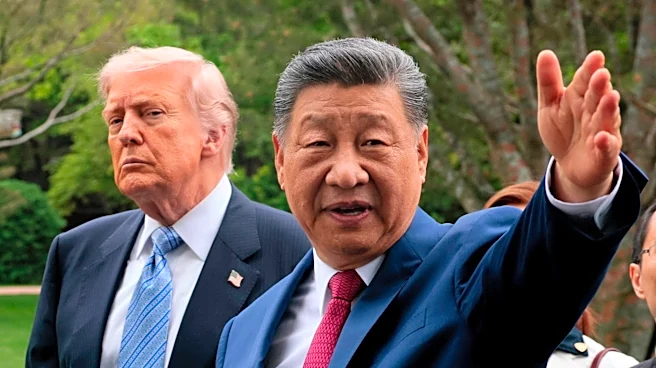
President Xi Jinping is scheduled to visit Washington. The core of the apprehension centers on the competitive threat BYD, a major Chinese electric vehicle manufacturer, could pose to domestic automakers and the broader U.S. auto industry. The groups are urging President Trump to consider the long-term economic and strategic consequences of such a move, emphasizing the importance of protecting American jobs and technological leadership in the automotive sector. The discussions highlight a growing tension between fostering international business relations and safeguarding national economic interests, particularly in critical manufacturing industries.
Why It's Important?
This development is significant for the U.S. automotive industry and national economic policy. Allowing BYD to manufacture in the U.S. could introduce a highly competitive player into the market, potentially impacting the sales and market share of established American automakers like Ford and General Motors. While increased competition could lead to lower prices for consumers and accelerate EV adoption, it also raises concerns about job displacement in existing U.S. auto manufacturing facilities and the potential for intellectual property transfer. For policymakers, the decision involves balancing the benefits of foreign investment and competition against the imperative to protect domestic industries and maintain a strong manufacturing base. The warning from Senator Slotkin and industry groups underscores the strategic importance of the auto sector to the U.S. economy and the complexities of trade relations with China.
What's Next?
The immediate next step will likely involve continued discussions and lobbying efforts by Senator Slotkin and auto industry groups to influence President Trump's stance on BYD's potential U.S. manufacturing presence. The upcoming visit of Chinese President Xi Jinping to Washington will be a critical juncture, as trade and economic relations are expected to be high on the agenda. President Trump will need to weigh the economic benefits of attracting foreign investment against the concerns raised by domestic stakeholders regarding competition and national security. The outcome could range from a complete rejection of BYD's U.S. manufacturing ambitions to a conditional approval, possibly with stipulations to protect American interests. The situation will also be closely watched by other international automakers and trade partners, as it could set a precedent for future foreign investment in critical U.S. industries.
Beyond the Headlines
Beyond the immediate economic and political considerations, this issue touches upon broader themes of global economic competition, technological leadership, and national security. The debate over BYD's potential U.S. manufacturing highlights the ongoing challenge for the U.S. to maintain its competitive edge in advanced manufacturing sectors, particularly as China continues to emerge as a global leader in electric vehicle technology. There are also ethical and strategic dimensions related to supply chain resilience and the potential for reliance on foreign-controlled manufacturing, especially in industries deemed critical for national defense or economic stability. The outcome of this situation could influence future U.S. industrial policy, trade agreements, and the overall approach to foreign direct investment from strategic competitors, shaping the landscape of American manufacturing for years to come.