





What's Happening?
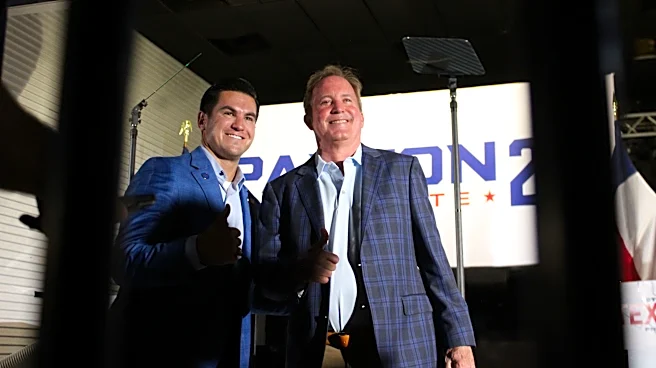
U.S. Senate candidate Ken Paxton is under scrutiny following a joint investigation by The Texas Tribune and ProPublica, which identified significant errors and omissions in his federal financial disclosures. The report alleges that Paxton failed to include
rental income, $1.3 million in condo mortgages, and accurate property valuations in his recent filings. For instance, Paxton reported little to no rental income from seven homes, despite reporters finding recent rental listings for six of them. Additionally, three Utah condo mortgages totaling $1.3 million were not disclosed, and his valuation of a 20% share in a 42-acre undeveloped property near Burleson was significantly lower than his business partner's estimate. Paxton's campaign has dismissed these findings as a partisan attack aimed at manufacturing controversy, defending his financial record. His August filing showed a net worth between $1 million and $27 million, a substantial increase from the previous year's range of negative $1.9 million to positive $11.1 million.
Why It's Important?
The allegations of financial disclosure discrepancies against U.S. Senate candidate Ken Paxton are significant for several reasons. Firstly, federal law requires Senate candidates to provide accurate and comprehensive financial information, and any omissions or errors could raise questions about transparency and accountability. Such issues can erode public trust in political candidates and the electoral process. Secondly, the timing of these revelations, as Paxton seeks to transition from the Attorney General's office to the U.S. Senate, could impact his campaign and public perception. Voters often consider a candidate's financial integrity when making their decisions. Thirdly, the discrepancies highlight potential loopholes or enforcement challenges within existing financial disclosure regulations, which could prompt calls for stricter oversight or reforms. The fact that his disclosures changed dramatically after the Texas Ethics Commission closed a loophole he had used previously suggests a pattern of behavior that could be scrutinized by federal regulators.
What's Next?
It remains uncertain whether federal regulators will initiate an investigation or take enforcement action regarding the reported discrepancies in Ken Paxton's financial disclosures. The Texas Tribune and ProPublica's findings have brought these issues to public attention, and the response from federal ethics bodies will be a critical next step. Paxton's campaign has already labeled the allegations as a partisan attack, indicating a defensive stance. The ongoing U.S. Senate race will likely see these financial disclosure issues become a point of contention, with his Democratic challenger, James Talarico, potentially leveraging them in the campaign. The outcome of any potential regulatory review or public debate could influence voter sentiment and the trajectory of Paxton's political career. Further scrutiny from media and watchdog groups is also probable as the election approaches.
Beyond the Headlines
The controversy surrounding Ken Paxton's financial disclosures delves deeper than mere reporting errors, touching upon the ethical standards expected of public officials and the mechanisms designed to ensure transparency in politics. The significant fluctuations in his reported net worth and the alleged omissions of substantial assets and liabilities raise questions about the effectiveness of current disclosure laws in providing a true picture of a candidate's financial standing. This situation could reignite debates about the need for more robust financial oversight for political candidates, potentially leading to legislative efforts to strengthen disclosure requirements or enhance enforcement powers of regulatory bodies. Furthermore, the campaign's immediate dismissal of the allegations as 'partisan' highlights a broader trend in contemporary politics where accusations of impropriety are often framed as politically motivated, potentially undermining legitimate journalistic inquiry and public accountability. This dynamic can make it challenging for the public to discern facts from political rhetoric, impacting informed civic engagement.