






What's Happening?
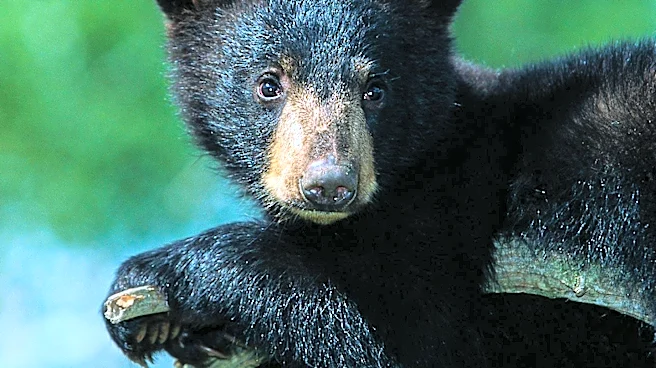
The PAWS Wildlife Rehabilitation Center in Snohomish has successfully released eight black bear cubs back into the wild after providing months of specialized care. This year, PAWS cared for a total of 17 black bears, with eight arriving in the last month,
significantly exceeding their typical annual intake of four or five cubs. The center attributed the higher number of orphaned cubs to changing environmental conditions, such as drought, declining snowpack, and shifting seasonal patterns, which have reduced natural food sources like huckleberries. The community played a crucial role in supporting the cubs' recovery, donating over 10,000 pounds of food, including fresh and frozen vegetables and fish, as well as gift cards and cash. This support helped staff meet the substantial nutritional needs of the growing bears, which required up to 175 pounds of food daily. While eight cubs have been released, nine remain under PAWS' care, being prepared for winter by providing dark, quiet dens and gradually reducing food intake as they build fat reserves.
Why It's Important?
The increased number of black bear cubs requiring rehabilitation highlights the growing impact of environmental changes on wildlife populations. The scarcity of natural food sources due to drought and altered seasonal patterns forces bears to seek food in populated areas, increasing human-wildlife conflicts. This situation underscores the critical role of wildlife rehabilitation centers like PAWS in mitigating the effects of environmental degradation on animal welfare and biodiversity. The community's overwhelming response in providing donations demonstrates a strong public commitment to wildlife conservation and the importance of collective action in addressing ecological challenges. The successful rehabilitation and release of these cubs contribute to maintaining healthy bear populations, which are vital for ecosystem balance, particularly in regions like Washington state where black bears are a significant part of the natural environment.
What's Next?
PAWS will continue to care for the remaining nine black bear cubs, preparing them for eventual release. This preparation involves creating conditions that mimic their natural winter environment, including providing quiet dens and gradually reducing food to encourage the bears to build fat reserves and enter a state of reduced activity. The center will also continue to monitor environmental conditions and collaborate with the Washington Department of Fish and Wildlife to determine optimal timing and locations for future releases, ensuring the bears have the best chance of survival in the wild. Ongoing public education about coexisting with wildlife and managing attractants will be crucial to minimize future human-bear conflicts, especially as environmental pressures persist and potentially drive more bears into human-populated areas.
Beyond the Headlines
The situation with the black bear cubs at PAWS points to broader ecological concerns beyond immediate animal welfare. The scarcity of natural food sources for bears, linked to climate change indicators like drought and reduced snowpack, suggests a systemic disruption in local ecosystems. This could have cascading effects on other wildlife species that rely on similar food sources or are part of the same food web. The increased interaction between bears and humans also raises questions about urban planning, waste management, and public awareness campaigns in areas adjacent to wildlife habitats. It highlights the ethical responsibility of human communities to adapt and implement strategies that minimize their impact on wildlife and support ecological resilience, rather than solely relying on reactive measures like rehabilitation. The long-term implications could involve shifts in wildlife distribution and behavior, necessitating more comprehensive conservation strategies.