







What's Happening?
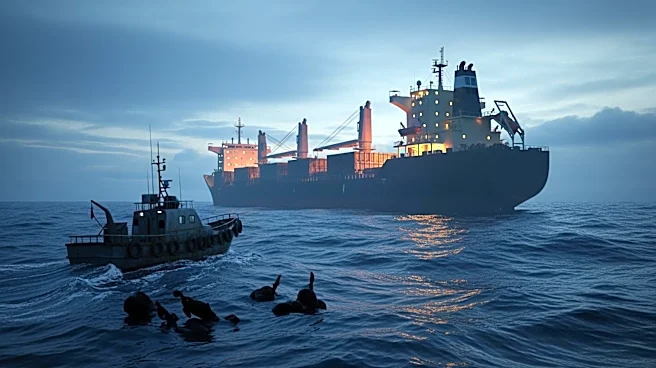
A fuel tanker was hijacked by suspected Somali pirates off the northeastern coast of Somalia, according to reports from a local official and the British military. The incident occurred in waters between the coastal towns of Hafun and Bandarbeyla in the semi-autonomous
state of Puntland. The tanker, which had departed from the port of Berbera, was heading to the Somali capital, Mogadishu, when it was intercepted. A colonel with the Puntland Maritime Police Force, speaking anonymously, stated that six armed men from the Bandarbeyla district were responsible for the hijacking. The British military's United Kingdom Maritime Trade Operations confirmed the incident, noting that unauthorized individuals had taken control of the tanker and were maneuvering it south within Somali territorial waters. The ship, owned by Pakistani interests and chartered by local businessmen, was carrying a large shipment of fuel. Local authorities and Puntland security forces are under pressure from community leaders to secure the release of the vessel and its crew. There have been no immediate indications of ransom demands.
Why It's Important?
The hijacking of the fuel tanker highlights ongoing security challenges in the waters off Somalia, despite a significant decline in piracy over the past decade due to international naval patrols and improved maritime security. This incident raises concerns about a potential resurgence of piracy in the region, which could threaten international shipping routes and economic stability. The hijacking could impact fuel supplies and trade in the region, affecting local economies and potentially leading to increased fuel prices. The situation also underscores the need for continued international cooperation and vigilance to ensure maritime security and protect commercial vessels from piracy.
What's Next?
Local authorities and Puntland security forces are expected to intensify efforts to secure the release of the hijacked vessel and its crew. The international community, particularly countries with vested interests in maritime trade, may increase naval patrols and security measures in the region to prevent further incidents. The response from the Somali government and international stakeholders will be crucial in addressing the security challenges and preventing a resurgence of piracy. Additionally, there may be diplomatic efforts to engage with local communities and leaders to address the root causes of piracy and promote stability in the region.