






What's Happening?
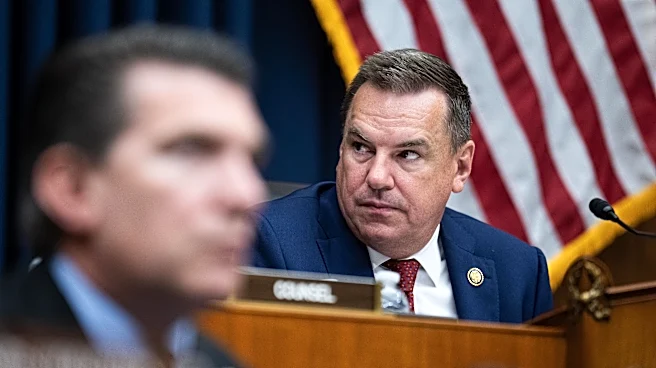
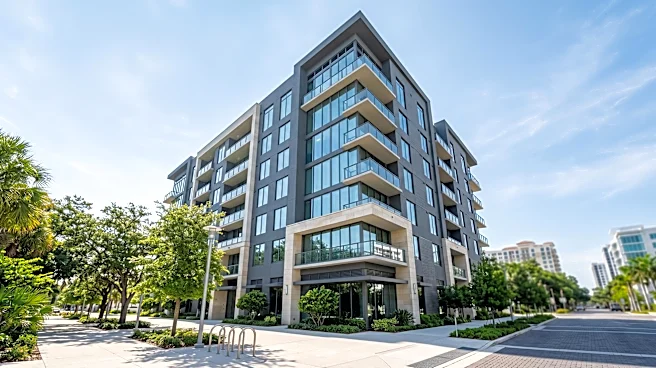
Rep. Kevin Mullin (CA-15) has voiced strong support for the Oak Gardens affordable housing development, which recently celebrated its grand opening. Located on the VA Palo Alto Health Care System campus in Menlo Park, Oak Gardens provides 62 new homes
for veterans and their families, with 55 units specifically designated for individuals who have experienced homelessness. The project is a collaboration between MidPen Housing, the U.S. Department of Veterans Affairs, and various public and private partners. It operates as a 100% permanent supportive housing community, catering to households earning between 30% and 50% of the Area Median Income. Additionally, 35 HUD-VASH project-based vouchers offer enhanced affordability for residents. Mullin emphasized that such initiatives are crucial for ensuring veterans have access to safe, stable, and affordable housing, allowing them to live with dignity and without the fear of housing insecurity. The development offers on-site services, including case management and programs focused on education, health, and economic opportunity, along with convenient access to VA programs.
Why It's Important?
The Oak Gardens project is significant as it directly addresses the critical issue of veteran homelessness and housing insecurity in the U.S. By providing permanent supportive housing, it offers a proven solution to a persistent challenge faced by many who have served in the military. The integration of housing with healthcare and supportive services on a VA campus is particularly impactful, as it creates a holistic environment designed to promote long-term stability and well-being for veterans. This model reduces barriers to essential services, which can often be fragmented or difficult to access. The involvement of Rep. Kevin Mullin highlights the bipartisan recognition of the need for such initiatives and the importance of public-private partnerships in tackling complex social issues. The project also serves as a model for other communities looking to leverage federal land and collaborative financing to create much-needed affordable housing solutions for vulnerable populations.
What's Next?
The successful opening of Oak Gardens could serve as a blueprint for future veteran housing initiatives across the nation, potentially encouraging more collaborations between the U.S. Department of Veterans Affairs, non-profit developers, and local governments. Continued advocacy from lawmakers like Rep. Kevin Mullin will be crucial in securing funding and support for similar projects. Stakeholders, including MidPen Housing and other affordable housing developers, will likely monitor the long-term outcomes of Oak Gardens residents to further refine supportive housing models. The project's success may also influence policy discussions at federal and state levels regarding enhanced-use lease programs and the allocation of resources for veteran support services. Financial institutions and community development organizations involved in Oak Gardens may seek to replicate this funding model in other regions, demonstrating the viability of diverse funding streams for affordable housing.
Beyond the Headlines
The Oak Gardens development transcends simply providing shelter; it represents a broader societal commitment to honoring veterans by ensuring their fundamental needs are met after their service. The project underscores the ethical imperative to support those who have served the country, particularly in an era where housing affordability remains a significant national challenge. Legally, the use of the VA's Enhanced-Use Lease program highlights innovative approaches to utilizing federal assets for public good, potentially setting precedents for future land use policies. Culturally, such initiatives reinforce the value placed on veterans' well-being and can help destigmatize homelessness by providing dignified living solutions. The long-term implications could include a shift in how communities view and address veteran support, moving towards more integrated and comprehensive service models that prioritize stability and access to care as foundational elements of post-service life.