




What's Happening?
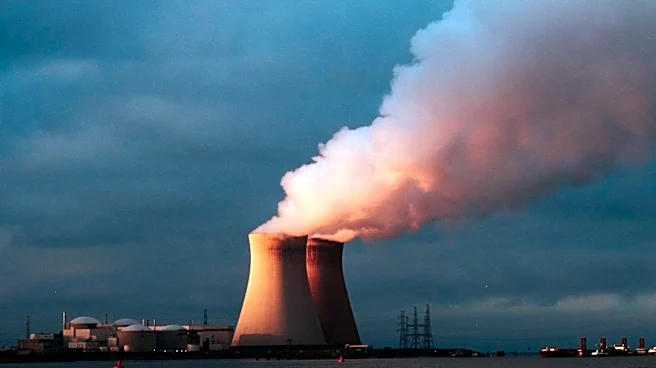
The International Atomic Energy Agency (IAEA) successfully brokered a temporary ceasefire around Ukraine’s Zaporizhzhia nuclear power plant, which is currently under Russian occupation. This ceasefire allowed for critical repairs to be carried out on the
damaged off-site power line. The plant had lost connection to its only remaining external power line on August 20 due to military activity, marking the 26th such incident since the start of the conflict. Consequently, the plant had been relying on emergency diesel generators to power essential cooling systems for its six reactors and spent fuel pools. By August 28, Zaporizhzhia reported having only about 10 days of diesel fuel remaining, the minimum regulatory requirement. To conserve fuel, the plant reduced the number of operating generators by half, leading to intermittent operation of cooling pumps. IAEA Director General Rafael Grossi emphasized the critical nature of restoring reliable external power to prevent a potential station blackout, which would pose significant nuclear safety and security risks. This marks the seventh localized ceasefire facilitated by the IAEA and Grossi since the conflict began.
Why It's Important?
The successful brokering of a temporary ceasefire by the IAEA at the Zaporizhzhia nuclear power plant is crucial for preventing a potential nuclear disaster. The plant, Europe's largest, requires a stable external power supply to cool its reactors and spent fuel, preventing meltdowns and radioactive releases. The repeated loss of off-site power due to military activity highlights the extreme vulnerability of nuclear facilities in conflict zones. A station blackout, where all power is lost, could lead to a catastrophic event with widespread environmental and humanitarian consequences, impacting not only Ukraine but also neighboring countries. The IAEA's continuous monitoring and intervention underscore the international community's concern for nuclear safety and its efforts to mitigate risks in a volatile region. The incident also brings to light the challenges of maintaining critical infrastructure and ensuring the safety of personnel in active war zones, setting a precedent for how international bodies might intervene in similar future crises.
What's Next?
Following the repair of the damaged power line, the immediate next step is to ensure the sustained and reliable operation of the external power supply to the Zaporizhzhia plant. The IAEA will continue its permanent presence at the plant to monitor nuclear safety and security amid ongoing attacks. Director General Grossi's call for maximum military restraint from all sides indicates the ongoing need for de-escalation around the facility. Future efforts will likely focus on establishing a more permanent demilitarized zone around the plant to prevent further disruptions to its power supply and operations. The international community, through the IAEA, will continue to press for adherence to nuclear safety principles and for all parties to avoid actions that could jeopardize the plant's integrity. The long-term stability of the plant will depend on the resolution of the broader conflict and the establishment of secure operating conditions.
Beyond the Headlines
The situation at the Zaporizhzhia nuclear power plant extends beyond immediate safety concerns, highlighting profound ethical and legal dimensions of warfare in the 21st century. The targeting or accidental damage of nuclear infrastructure in conflict zones raises questions about international humanitarian law and the protection of civilian objects with catastrophic potential. The IAEA's role in brokering ceasefires and maintaining a presence in a war zone sets a precedent for international oversight in unprecedented circumstances. This situation also underscores the global interconnectedness of nuclear safety; an incident at Zaporizhzhia could have far-reaching environmental and health impacts, transcending national borders. The ongoing challenges at the plant may also prompt a re-evaluation of nuclear energy's vulnerability in geopolitical conflicts, potentially influencing future energy policies and the design of nuclear facilities to enhance their resilience against external threats.