

What's Happening?
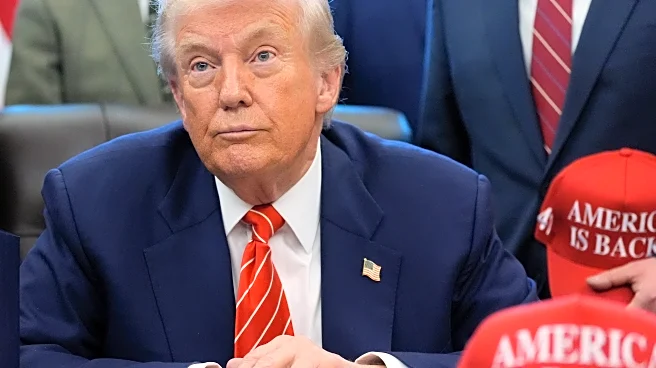
The U.S. federal government has resumed operations following a brief partial shutdown, with President Trump signing a funding package into law. This package includes five spending bills that will fund most federal agencies through September 30, 2026.
However, the Department of Homeland Security (DHS) faces a funding challenge, as its current funding is only secured until February 13, 2026. Democratic lawmakers are advocating for changes in policies related to Customs and Border Protection and Immigration and Customs Enforcement, complicating long-term funding negotiations. Without a new agreement or continuing resolution by the deadline, DHS could face another shutdown.
Why It's Important?
The temporary resolution of the government shutdown highlights ongoing political challenges in securing long-term funding for DHS. The agency's operations are critical for national security, immigration enforcement, and border protection. A potential shutdown could disrupt these functions, affecting national security and immigration processes. The situation underscores the broader political struggle over immigration policies and border security, which remain contentious issues in U.S. politics. The outcome of these negotiations will have significant implications for DHS's ability to operate effectively and for the broader political landscape.
What's Next?
Lawmakers must negotiate a long-term funding solution for DHS before the February 13 deadline to avoid another shutdown. The discussions will likely involve debates over immigration policies and border security measures. The outcome will depend on bipartisan cooperation and compromise, with potential impacts on future immigration enforcement and border security strategies. Stakeholders, including political leaders and advocacy groups, will closely monitor the negotiations, as the decisions made could set precedents for future funding and policy directions.