



What's Happening?
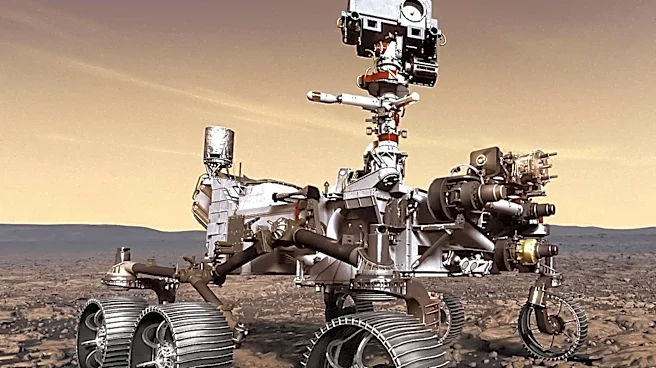
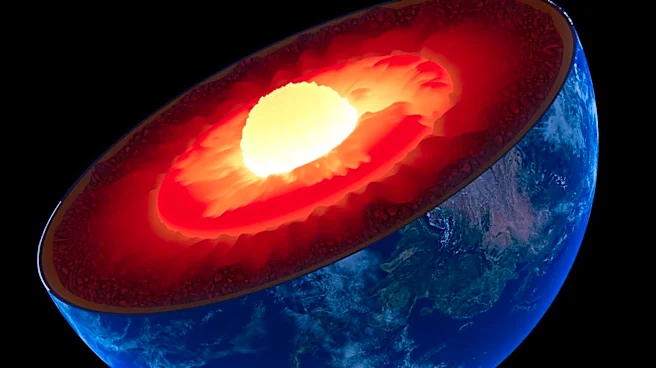
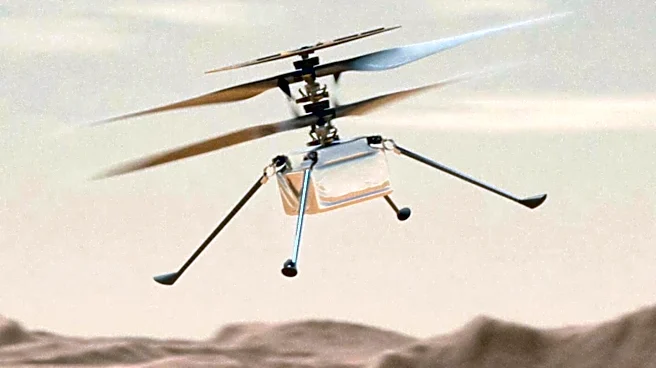
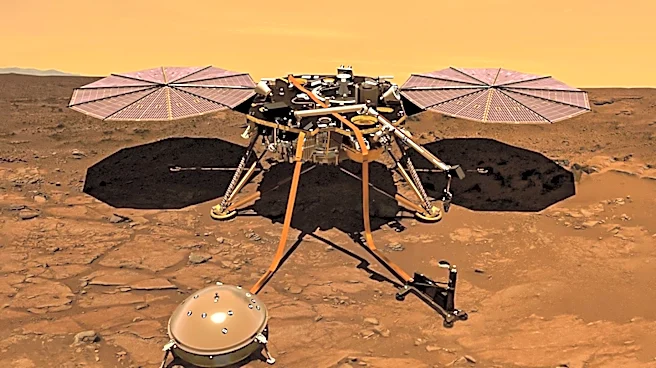
Missions are actively exploring the surfaces of various celestial bodies, including Mars, Earth, Venus, the Moon, asteroids, and Titan, to understand their origins and evolution. While gas and ice giants lack solid ground, their atmospheres are studied
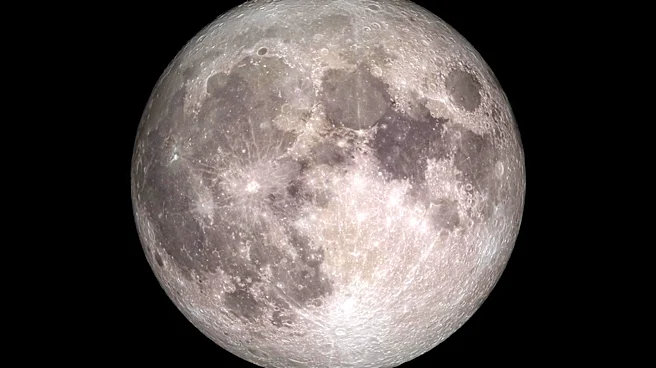
to infer what lies beneath. Orbiters, landers, rovers, and radar instruments are employed to gather data. Mars, a rocky planet, shows evidence of ancient water, making it a key target in the search for past life. Earth, the only known world with stable liquid water and life, serves as a reference point. Venus, despite its Earth-like size, has an extremely dense atmosphere leading to a dramatically different evolution. The Moon preserves a record of early Solar System impacts, and asteroids contain pristine material from the Solar System's birth. Titan, with its liquid methane and ethane rivers, lakes, and rain, behaves similarly to Earth in some aspects. These studies aim to answer fundamental questions about the Solar System's formation, Earth's habitability, the potential for extraterrestrial life, and planetary changes over time.
Why It's Important?
The ongoing study of planetary surfaces is crucial for understanding the fundamental processes that shaped our Solar System and the conditions necessary for life. By comparing the diverse outcomes observed on different worlds, scientists can gain insights into universal physical laws and how they manifest under varying conditions. The search for ancient water on Mars and the unique characteristics of Titan, for instance, directly inform the potential for life beyond Earth, impacting astrobiology and future space exploration initiatives. Understanding Earth's geological and climatic history through the lens of other planets helps refine models for climate change and environmental sustainability on our own planet. The data collected from asteroids provides valuable information about the early Solar System's composition and the potential delivery of water and organic molecules to Earth, which has implications for the origins of life.
What's Next?
Future missions are planned to delve deeper into planetary surfaces, map them with greater precision, and explore previously unreachable worlds. As technology advances, the tools for observation and analysis will improve, potentially revealing new insights and altering current understandings of celestial bodies. The continuous collection of images, measurements, and maps will contribute to a more comprehensive understanding of distant worlds and, by extension, Earth's place within the cosmos. This ongoing exploration will likely lead to new discoveries regarding planetary formation, the conditions for habitability, and the potential for life beyond our planet, influencing the direction of space science and exploration for decades to come.
Beyond the Headlines
The exploration of planetary surfaces extends beyond scientific curiosity, touching upon profound philosophical and existential questions about humanity's place in the universe. The search for life beyond Earth, even microbial, could fundamentally alter our understanding of life's prevalence and origins. The study of planetary evolution also offers a long-term perspective on environmental changes, providing crucial context for addressing Earth's current ecological challenges. Furthermore, the technological advancements spurred by space exploration often have terrestrial applications, benefiting various industries and improving daily life. The collaborative international efforts in space missions foster global cooperation and shared scientific endeavor, highlighting the interconnectedness of humanity in the pursuit of knowledge.