









What's Happening?
Robert Wayne Boling Jr., a 45-year-old U.S. citizen residing in the Philippines, has pleaded guilty to orchestrating a widespread identity theft and fraud scheme. This scheme defrauded thousands of U.S. servicemembers and veterans over a five-year period,
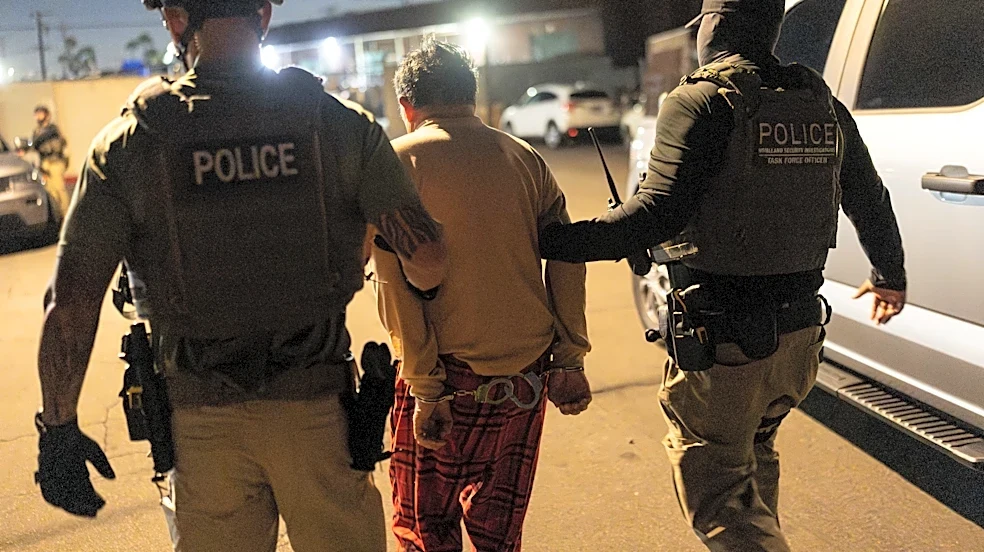
concluding in July 2019. Boling exploited stolen personally identifiable information (PII) to compromise victims' bank accounts and illicitly obtain their money and veterans' benefits. He pleaded guilty to conspiracy to commit wire fraud and money laundering, facing a potential sentence of up to 40 years in prison. Boling was arrested in May in Los Angeles after being deported from the Philippines. Prosecutors identified him as the primary orchestrator of the scheme, receiving PII from Frederick Brown, a former contractor medical records administrator for the U.S. Army in South Korea.
Why It's Important?
This case underscores the severe vulnerability of U.S. servicemembers and veterans to sophisticated fraud schemes, particularly those operating internationally. The exploitation of individuals who have served the nation for financial gain is a significant breach of trust and a direct attack on a protected demographic. The involvement of a U.S. Army contractor in providing sensitive PII highlights critical security gaps within military data management and the potential for insider threats. The extensive nature of the scheme, involving thousands of victims and a network of money mules, demonstrates the organized and persistent efforts of cybercriminals. This incident also emphasizes the challenges law enforcement faces in pursuing and apprehending individuals operating across international borders, requiring complex extradition processes. The successful prosecution of Boling sends a strong message about the Justice Department's commitment to protecting military-affiliated individuals and combating financial fraud.
What's Next?
Robert Wayne Boling Jr. awaits sentencing, where he faces up to 40 years in prison for his role in the fraud scheme. The Justice Department will continue its efforts to apprehend the remaining alleged co-conspirators, Jongmin Seok and Allan Albert Kerr, who are still at large. This case may prompt further investigations into the security protocols surrounding military personnel data and veterans' benefits to prevent similar breaches. There could also be increased collaboration between U.S. law enforcement agencies and international partners to combat transnational fraud operations more effectively. Additionally, the incident may lead to enhanced public awareness campaigns aimed at educating servicemembers and veterans about identity theft prevention and how to protect their personal information from such sophisticated schemes.
Beyond the Headlines
This case reveals a darker implication beyond financial fraud: the profound betrayal of trust experienced by those who have served the nation. The targeting of servicemembers and veterans, often individuals who have made significant sacrifices, by a U.S. citizen operating from abroad, highlights a moral and ethical failing. It exposes how personal data, even within seemingly secure military systems, can be weaponized against the very people it is meant to protect. The psychological impact on victims, who may feel violated and vulnerable, extends beyond monetary loss. This incident also brings to light the complex challenges of digital security in an interconnected world, where data breaches can have far-reaching consequences and require international cooperation to address. It underscores the continuous need for vigilance and robust protective measures to safeguard the personal information of all citizens, especially those in sensitive positions or with unique vulnerabilities.