
What's Happening?
In the UK commercial real estate sector, hybrid living models are increasingly influenced by the demand for sustainable and high-quality buildings. This shift is largely driven by building occupiers who
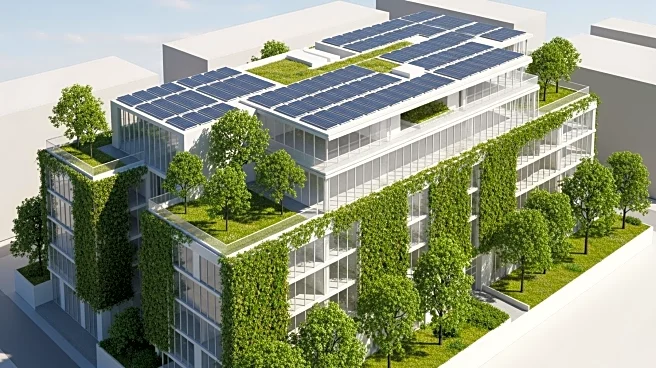
prioritize energy performance and healthy environments, a trend intensified by hybrid working methods. The market is seeing a 'fewer but better buildings' dynamic, where tenants are willing to pay more for sustainable features. However, the challenge remains in aligning tenant values with capital allocation by lenders and investors. The transition requires capturing tenant values and reflecting them in financial decisions, a process currently hindered by policy uncertainty and a lack of clear data.
Why It's Important?
The emphasis on sustainability in real estate reflects a broader shift towards environmentally responsible practices, impacting how buildings are valued and financed. This trend could lead to significant changes in the real estate market, with potential benefits for tenants and investors who prioritize sustainability. However, the transition also poses challenges, particularly for smaller businesses that may struggle with the costs and complexities of meeting new standards. The success of this shift depends on clear policy guidance and the ability of the market to adapt to new demands for sustainable practices.
What's Next?
The UK real estate sector needs to align on mechanisms that make sustainability investable. This includes stronger policy certainty and clearer pathways for retrofitting existing buildings. The market must also improve evidence linking occupier demand to leasing outcomes and valuations. Collaborative efforts among banks, developers, and government are crucial to unlocking investment and fostering innovation. As the market adapts, it will be important to monitor how these changes affect building quality, emissions, and the overall resilience of the real estate sector.