

What's Happening?
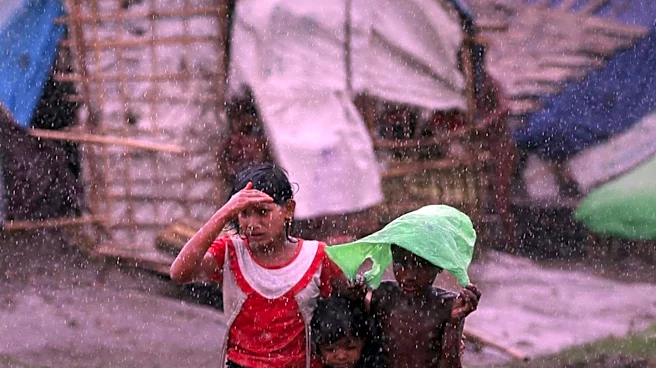
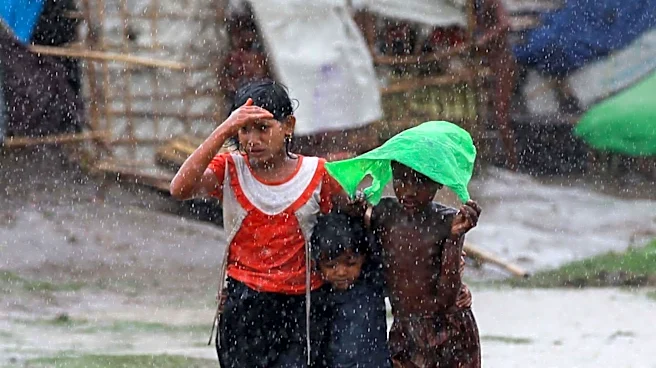
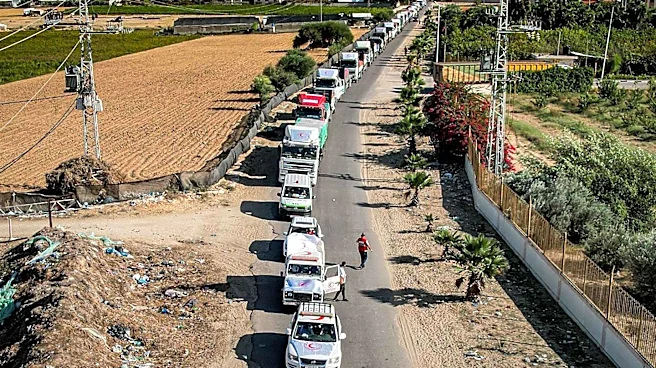
EU Commissioner for Equality, Preparedness and Crisis Management Hadja Lahbib has called for greater access for humanitarian aid to the Gaza Strip. This plea comes as heavy rains have caused widespread flooding in displacement camps, severely worsening
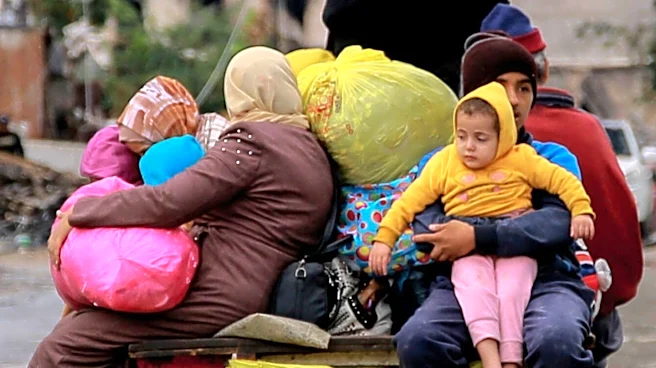
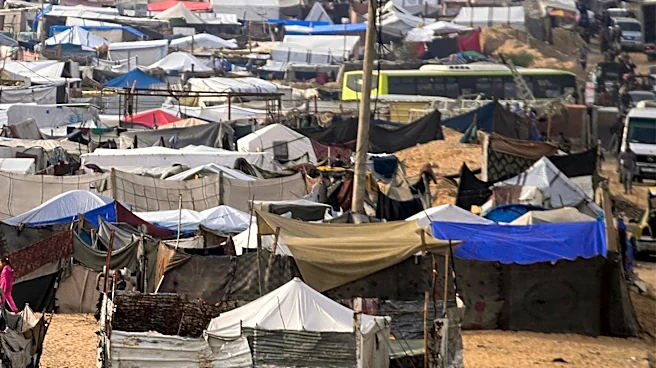
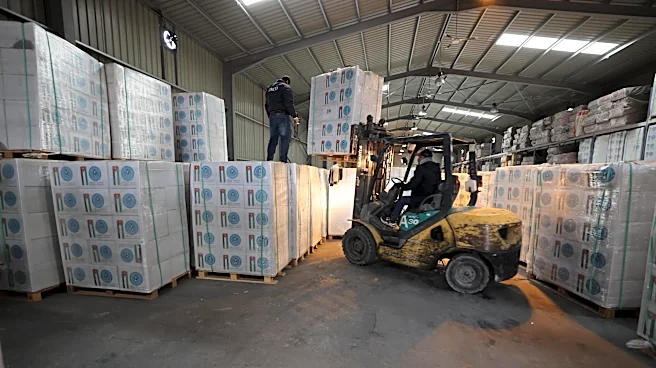
the already dire conditions for families. The UN agency for Palestinian refugees, UNRWA, reported that approximately 1.98 million people in Gaza are in urgent need of shelter and other essential supplies, a critical situation as winter approaches. Gaza's Government Media Office stated that storms, which began late Friday, have flooded around 70,000 tents housing displaced Palestinians. Relief operations are further complicated by damaged infrastructure and a shortage of emergency equipment. Lahbib emphasized that humanitarian organizations are continuing their work despite the storm but require more aid to enter Gaza immediately. The Palestinian ministry has urged global action to open all border crossings to ensure unrestricted entry of humanitarian assistance to meet Gaza's significant needs. Islamic Relief and local partners are actively providing food, education, maternal healthcare, cash, psychosocial support, and other vital aid to families in the region.
Why It's Important?
The call for increased humanitarian aid access to Gaza is critical due to the escalating crisis exacerbated by recent flooding. The situation highlights the severe vulnerability of nearly two million displaced individuals who lack adequate shelter and essential supplies, particularly as winter approaches. The damaged infrastructure and shortage of emergency equipment mean that existing aid efforts are significantly hampered, making external assistance even more crucial. The continued restrictions on aid entry, as noted by various reports, directly impact the ability of humanitarian organizations to provide life-saving support. This situation underscores the urgent need for international cooperation and pressure to ensure that humanitarian corridors are fully open and that aid can reach those in desperate need without impediment. Failure to address these access issues could lead to a further deterioration of public health, increased mortality rates, and a prolonged humanitarian catastrophe, with long-term consequences for the affected population.
What's Next?
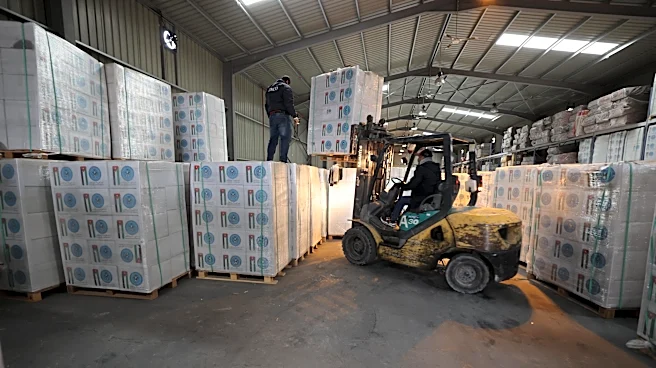
The immediate next steps involve intensified diplomatic efforts to pressure relevant authorities to open all border crossings into Gaza for unrestricted humanitarian aid. International organizations and aid agencies will likely continue to advocate for increased access and resources to address the urgent needs of the displaced population. There will be a focus on providing emergency shelter, such as tents, blankets, and mattresses, to families whose temporary homes have been destroyed or damaged by the floods. Additionally, efforts will be made to restore damaged infrastructure and supply emergency equipment to facilitate relief operations. Humanitarian groups like Islamic Relief and UNRWA will continue their on-the-ground operations, distributing food, medical supplies, and other essential items. The coming winter months will further amplify the urgency, requiring a sustained and coordinated international response to prevent a more severe humanitarian crisis. Monitoring the effectiveness of aid delivery and addressing any blockages will be crucial in the coming weeks.
Beyond the Headlines
Beyond the immediate crisis of flooding and aid shortages, the situation in Gaza highlights deeper systemic issues related to humanitarian access and the protection of displaced populations in conflict zones. The ongoing restrictions on goods and construction materials entering Gaza, as reported by various sources, point to a complex political landscape that directly impacts humanitarian efforts. This situation raises significant ethical and legal questions regarding the responsibilities of all parties involved to ensure the safety and well-being of civilians, particularly those displaced from their homes. The destruction of infrastructure and the lack of emergency equipment suggest a long-term need for robust reconstruction and development efforts, which are currently hindered by the prevailing conditions. The repeated displacement and inadequate shelter also have profound psychological and social impacts on families, especially children, potentially leading to long-term trauma and instability. Addressing these underlying issues requires not only immediate humanitarian relief but also sustained political solutions that prioritize human rights and facilitate sustainable recovery.