





What's Happening?
The Brandywine Valley in Wilmington, Delaware, offers an unexpected Gilded Age getaway, showcasing the homes, gardens, and inventions of the influential du Pont family. The du Ponts were not merely wealthy individuals but industrialists, inventors, gardeners,
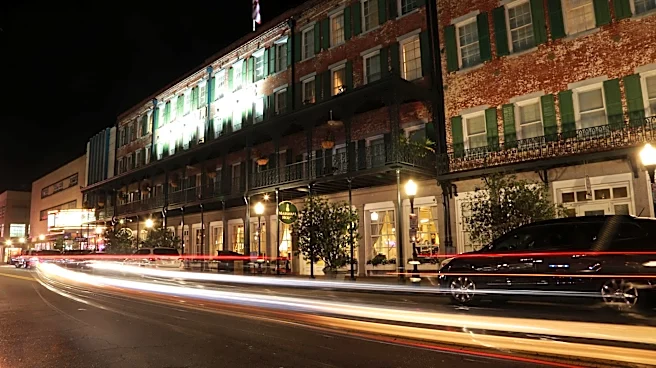
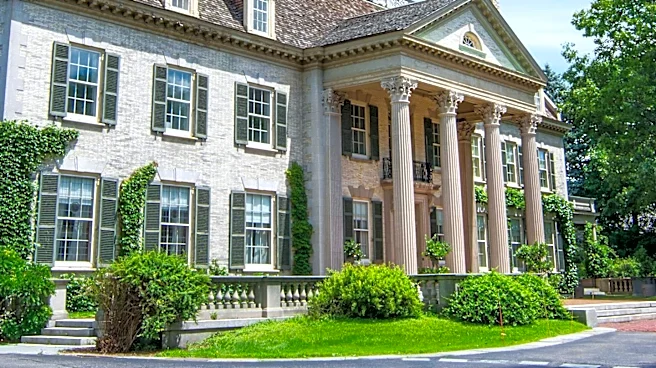
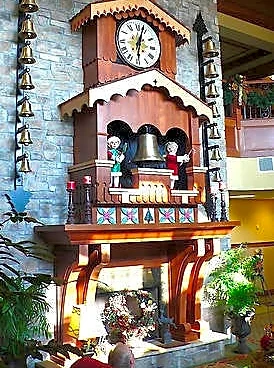
collectors, and patrons whose legacy is evident throughout the region. Their fortune originated from E.I. du Pont's black powder business, founded in 1802 along the Brandywine River. This enterprise grew into a major industrial company, supplying explosives for mining, construction, and the military, which subsequently funded the family's extensive estates, art collections, and gardens. Key sites include Hagley Museum and Library, where the family's industrial roots are explored, Winterthur, which highlights Henry Francis du Pont's passion for American decorative arts and horticulture, and Nemours Estate, the country home of Alfred I. du Pont, known for its 77-room mansion and French-inspired gardens. The Hotel Du Pont in downtown Wilmington, opened in 1913, also reflects the family's historical presence and craftsmanship.
Why It's Important?
The exploration of the du Pont family's legacy in the Brandywine Valley provides significant insight into the economic and social dynamics of the Gilded Age in the United States. The family's transition from industrial pioneers to patrons of arts and horticulture illustrates how immense wealth generated from manufacturing and innovation shaped American culture and landscape. Their story highlights the interconnectedness of industry, family life, and philanthropy, demonstrating how private fortunes contributed to the development of public spaces, cultural institutions, and architectural marvels. The preservation of these estates and their transformation into museums and gardens allows for a tangible understanding of historical economic power and its lasting impact on regional identity and tourism. This historical context is crucial for understanding the evolution of American industry and the role of prominent families in shaping the nation's heritage.
What's Next?
Visitors can continue to explore the various du Pont family estates and related cultural sites in the Brandywine Valley. The Brandywine Museum of Art, located across the Pennsylvania line, offers additional cultural context with its collection of Wyeth family art, and plans are underway for a second museum building to house more of its collection. Longwood Gardens, another du Pont legacy, continues to be a major attraction, with ongoing efforts to maintain and enhance its elaborate gardens, fountains, and conservatory. These sites are continually evolving, with renovations and new exhibitions ensuring their relevance and appeal to future generations. The ongoing preservation and interpretation of these historical properties will continue to draw tourists and researchers, further cementing the region's status as a significant historical and cultural destination.
Beyond the Headlines
The du Pont family's story extends beyond mere affluence, delving into the ethical and societal implications of industrial growth during the Gilded Age. The close proximity of E.I. du Pont's home to his powder mills at Hagley, allowing the family to 'look down on the operation,' subtly highlights the hierarchical structures and labor conditions of the era. While the source emphasizes the family's contributions to art, horticulture, and philanthropy, it also implicitly raises questions about the source of their immense wealth and the broader societal context in which it was accumulated. The transformation of these private estates into public museums and gardens represents a shift in the accessibility of wealth and culture, allowing a wider audience to engage with a period often characterized by stark economic disparities. This ongoing engagement with historical sites encourages reflection on the enduring impact of industrialization and the complex legacy of America's wealthiest families.