





What's Happening?
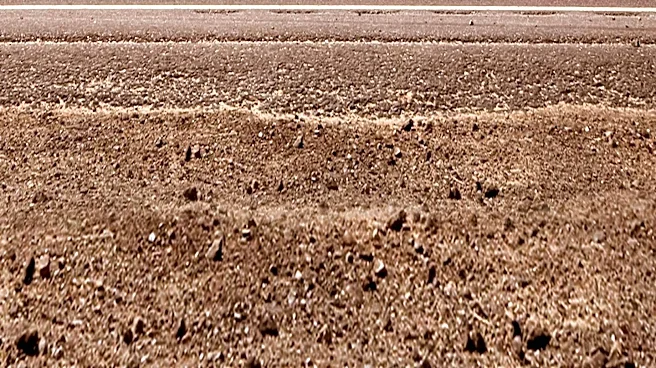
A French tourist, Pierre Michel Formosa, 68, died last week in California’s Death Valley after the vehicle he was in became stuck in mud. Formosa and a companion were traveling when their vehicle got immobilized. They then set out on foot along the desert
salt flats towards Badwater Road, a main park roadway, to seek assistance. Formosa, unable to continue, stopped approximately 1.3 miles into their trek. His companion managed to reach the road and flag down a driver around 2 p.m., which initiated a search operation for Formosa involving park rangers and a California Highway Patrol helicopter. Searchers located Formosa’s body that afternoon, about 1.5 miles from Badwater Road. The incident occurred amidst extreme heat, with temperatures reaching 116 degrees Fahrenheit on the day of his death. The National Weather Service had issued an extreme heat warning for the area, with temperatures expected to remain between 115 and 118 degrees Fahrenheit throughout the week.
Why It's Important?
This tragic incident underscores the severe dangers posed by extreme heat and the remote, harsh conditions in Death Valley National Park. It highlights the critical importance of adhering to safety guidelines issued by park authorities, especially during periods of high temperatures. The death of a tourist in such circumstances can serve as a stark reminder to all visitors, both domestic and international, about the necessity of preparedness, including staying on paved roads, carrying satellite phones or beacons, and ensuring an adequate supply of drinking water. For the tourism industry, particularly in areas with extreme climates, such events can prompt a re-evaluation of safety protocols and public awareness campaigns to prevent future fatalities. It also emphasizes the responsibility of park services to continuously communicate risks and provide clear guidance to visitors, regardless of their experience level, to ensure their safety in challenging environments.
What's Next?
Following this incident, Death Valley National Park officials are likely to reinforce and potentially expand their public safety advisories regarding extreme heat and remote travel. This may include increased signage, more prominent warnings on park maps and websites, and enhanced communication with tour operators. Visitors to Death Valley will be urged even more strongly to heed warnings about staying on paved roads, carrying essential survival gear like satellite phones or beacons, and ensuring they have sufficient water. The park service may also review its search and rescue protocols in light of the circumstances of this death. There could be discussions among park management and local authorities about further measures to mitigate risks, especially for international tourists who might be less familiar with the severity of desert conditions. The incident may also lead to broader discussions within the U.S. National Park Service about consistent safety messaging across all parks with similar environmental hazards.
Beyond the Headlines
The death of Pierre Michel Formosa in Death Valley brings to light the broader challenges of managing tourism in extreme natural environments, particularly as global temperatures rise due to climate change. This event could prompt a re-evaluation of how national parks balance accessibility with visitor safety, especially for those who may underestimate the dangers. There's an ethical dimension to ensuring that all visitors, regardless of their origin or perceived experience, are fully aware of and prepared for the risks. The incident also highlights the psychological aspect of survival in remote, hostile landscapes, where decisions made under duress can have fatal consequences. Furthermore, it underscores the ongoing debate about personal responsibility versus institutional oversight in preventing such tragedies. The long-term implications could include a shift in how extreme weather events are communicated to the public and how technology can be leveraged to enhance safety in remote areas, potentially leading to new regulations or recommendations for visitors.