



What's Happening?
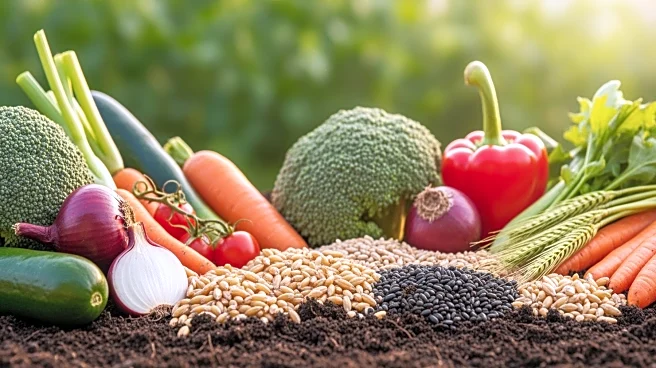
Diversified agriculture, a method that integrates various crops and animals into farming systems, is being highlighted for its potential environmental and economic benefits. Zia Mehrabi, a researcher at the University of Colorado Boulder, advocates for this
approach, which mimics natural ecosystems by combining different plant species and animals. This method contrasts with traditional monoculture farming, which often relies heavily on chemical inputs and can lead to environmental issues such as pest outbreaks and nitrogen runoff. Diversified agriculture systems, like the 'three-sisters' method involving beans, squash, and maize, can reduce pesticide use by up to 60% and control nitrogen runoff by up to 90%. These systems are being implemented in various forms worldwide, including aquaculture and rice systems in China and prairie strips in Iowa. The approach is seen as a way to address the environmental costs of current agricultural practices, which contribute significantly to greenhouse gas emissions and water usage.
Why It's Important?
The shift towards diversified agriculture is significant as it addresses the environmental and economic challenges posed by traditional farming methods. Current agricultural practices are a major source of greenhouse gas emissions and water consumption, contributing to climate change and environmental degradation. By reducing reliance on chemical inputs and mimicking natural ecosystems, diversified agriculture offers a sustainable alternative that can enhance food security and reduce environmental impact. This approach also presents economic opportunities by potentially lowering costs associated with environmental damage and health issues linked to intensive farming. As global populations rise, finding sustainable ways to increase food production without exacerbating environmental issues is crucial.
What's Next?
The future of diversified agriculture depends on increased research and investment. There is potential for agricultural businesses to develop and market seed packages that support ecosystem-based farming. Education and awareness are also critical, as farmers need to understand the benefits and implementation of diversified systems. Policymakers and agricultural organizations may play a role in promoting these practices through subsidies and support for research. As the global community seeks sustainable solutions to food production, diversified agriculture could become a key component of agricultural policy and practice.