


What's Happening?
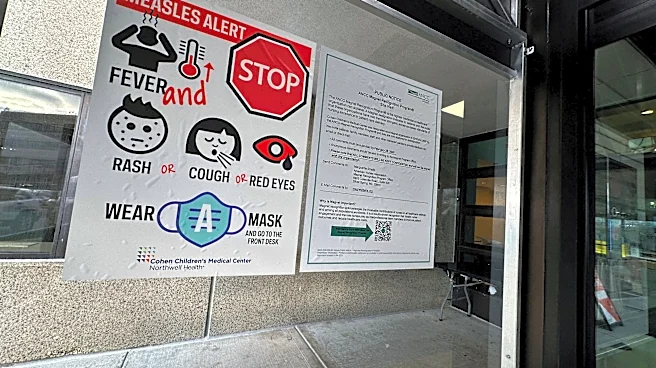
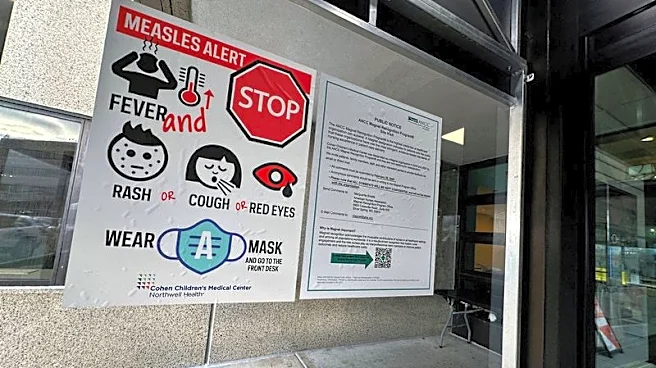
The United States has officially lost its measles elimination status, a designation it proudly achieved in 2000. This setback marks a reversal of decades of public health progress, which was built on sustained investments in immunization infrastructure,
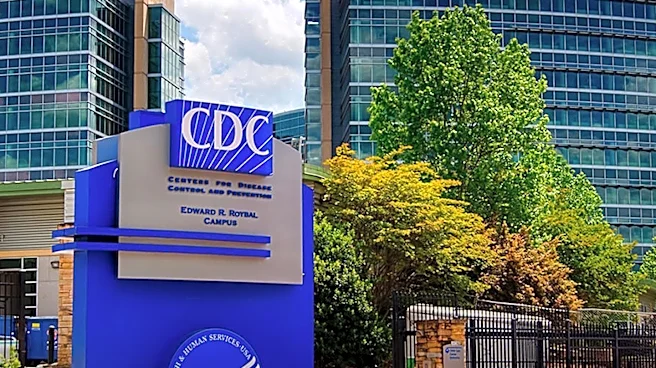
a shared commitment to increasing vaccination coverage, and a belief in preventing vaccine-preventable diseases. Vaccinate Your Family, a public health advocacy organization, has expressed deep concern over this development. The organization is urging federal health agencies to collaborate with the Pan American Health Organization (PAHO), state and local health departments, healthcare providers, and communities nationwide to restore confidence in vaccination, remove access barriers, and increase measles vaccination coverage across the country. The CEO of Vaccinate Your Family, Ami Pisani, reflected on the organization's founders, Former First Lady Rosalynn Carter and Former First Lady of Arkansas Betty Bumpers, who championed immunization efforts after a measles epidemic claimed many lives.
Why It's Important?
The loss of measles elimination status is a significant public health crisis for the United States. Measles is a highly contagious and potentially severe disease, and its re-emergence poses a direct threat to unvaccinated individuals, particularly young children and those with compromised immune systems. This reversal indicates a weakening of the nation's immunization infrastructure and a decline in vaccination rates, which can be attributed to various factors including vaccine hesitancy and barriers to access. The re-establishment of measles circulation could lead to increased outbreaks, strain healthcare resources, and result in preventable illness, hospitalization, and even death. It also undermines the collective immunity that protects vulnerable populations who cannot be vaccinated. Restoring this status requires a concerted effort to rebuild public trust in vaccines and ensure equitable access to immunization services, highlighting the critical role of public health campaigns and community engagement.
What's Next?
Public health organizations, including Vaccinate Your Family, are calling for immediate and coordinated action from federal, state, and local health agencies. The focus will be on increasing measles vaccination coverage nationwide, restoring public confidence in vaccines, and addressing barriers to access. This will likely involve enhanced public awareness campaigns, improved vaccine delivery systems, and targeted outreach to communities with low vaccination rates. Collaboration with international bodies like PAHO suggests a recognition that measles elimination is a global effort and that cross-border strategies may be necessary. The emphasis on coordinated leadership and sustained commitment indicates a long-term effort will be required to reverse this trend and regain the elimination status, mirroring the dedication that led to its initial achievement.
Beyond the Headlines
The loss of measles elimination status is more than a statistical setback; it reflects deeper societal challenges, including the erosion of trust in scientific institutions and public health authorities. The rise of vaccine hesitancy, fueled by misinformation and disinformation, has directly contributed to this decline in vaccination rates. This situation underscores the fragility of public health achievements and the constant need for vigilance and education. It also highlights the ethical imperative to protect the most vulnerable members of society through collective action. The historical context provided by Vaccinate Your Family, referencing past measles epidemics and the efforts of figures like Rosalynn Carter, serves as a stark reminder of the progress that can be lost and the human cost of preventable diseases. This event could trigger a broader re-evaluation of public health communication strategies and policies aimed at combating vaccine misinformation.