





What's Happening?
Ukraine has distributed over 1.5 million drones and other military equipment through its digital purchasing platform, DOT-Chain Defence, since its launch in July 2025. The Ukrainian Ministry of Defense reported that the total value of equipment delivered
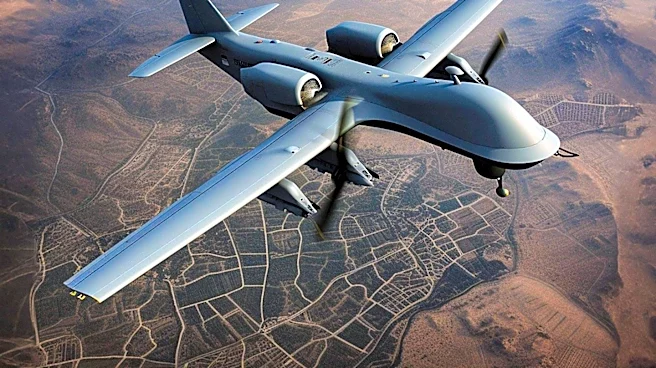
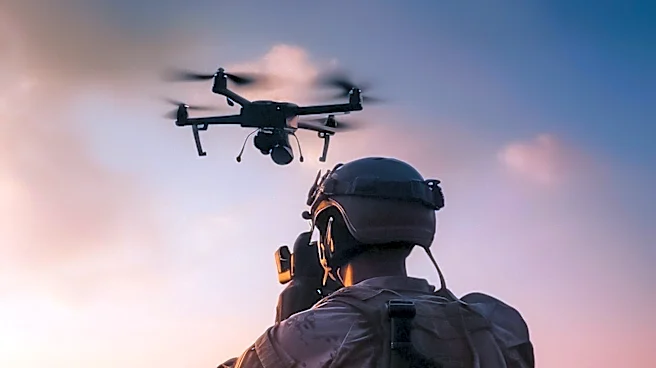
to brigades on the front line exceeds 100 billion hryvnias. This decentralized purchasing model supplements direct state acquisition, enabling one in five drones contracted by the Defense Procurement Agency (DOT) to reach troops via this digital marketplace. According to Evgeniy Khmara, Ukraine's Minister of Defense, the goal is to shorten the path from a front-line need to equipment delivery. Artem Romaniukov, interim director of the DOT Agency, highlighted the importance of military units independently selecting equipment tailored to their missions. The system functions as an e-commerce platform where units use state funds to choose materials. This approach has reduced average delivery times to eight days for in-stock items and one and a half months for pre-ordered equipment, as detailed by Deputy Defense Minister Mstyslav Banik. The DOT-Chain Defence platform currently features over 1,800 unique items from 300 Ukrainian manufacturers, including various types of drones, unmanned ground vehicles (UGVs), electronic warfare systems, and specialized munitions.
Why It's Important?
This initiative is crucial for Ukraine's defense strategy, particularly in addressing the industrial asymmetry with Russia. Ukrainian military intelligence reports indicate Russia's capacity to produce an estimated 10,000 drones per month, including advanced jet-powered models, and accumulate significant reserves of attack drones and decoys. In contrast, Western defense industries have struggled to supply Ukraine with the 500,000 simple FPV drones needed for a war of attrition, forcing Ukraine to bolster local suppliers. The digital platform and its incentive system, which rewards mission completion with credits for new equipment, have reportedly contributed to neutralizing 302,000 Russian military personnel and destroying over 3,000 Russian unmanned ground vehicles between early 2026 and October 25. This highlights the tactical and strategic impact of Ukrainian unmanned aviation. The system's efficiency in procurement and distribution is vital for sustaining Ukraine's defense efforts against a larger adversary, demonstrating an innovative approach to military logistics and supply chain management in wartime.
What's Next?
The acceleration of the digital channel indicates that the DOT Agency increased its drone contracts by 300% compared to the previous year to maintain the pace of attrition on the contact line. Minister Evgeniy Khmara has formally requested 10% of the missile reserves from the E5 group powers, including Patriot and IRIS-T systems, and proposed establishing drone co-production plants directly in Europe. This suggests a continued push for international support and domestic production expansion to counter Russia's industrial capacity. The integration of DOT-Chain Defence with the ePoints network and Brave1 Market, where military units earn credits for confirmed missions, is expected to further streamline equipment acquisition. The platform's ability to allow brigade commanders to configure custom drones through blind electronic auctions among developers points towards ongoing innovation and adaptation in military technology procurement. These efforts aim to sustain Ukraine's operational effectiveness and address the ongoing challenges of military supply and technological parity.
Beyond the Headlines
The implementation of a decentralized, e-commerce-style platform for military procurement represents a significant shift in defense logistics, moving away from traditional, often bureaucratic, supply chains. This model not only enhances efficiency and responsiveness but also empowers front-line units by allowing them to select equipment best suited for their specific tactical needs. The integration of performance-based incentives, where units earn credits for successful missions, introduces a gamified element that could boost morale and operational effectiveness. This approach could serve as a blueprint for other nations facing similar challenges in rapid military modernization and supply, particularly in asymmetric conflicts. Furthermore, the emphasis on local Ukrainian manufacturers fosters domestic industrial growth and reduces reliance on external supply chains, contributing to national resilience. The ethical implications of such advanced drone warfare, including the increasing automation and remote nature of combat, will likely continue to be a subject of international discussion and policy development.