



What's Happening?
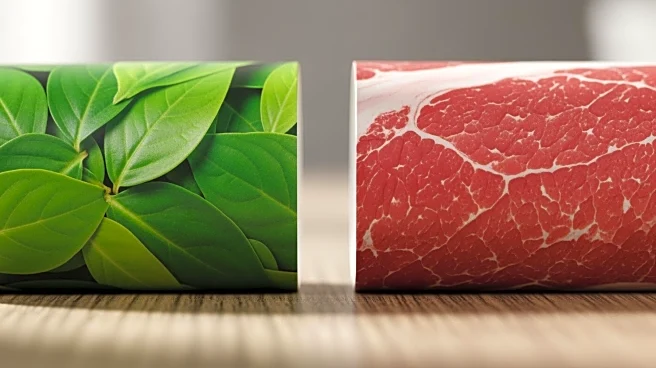
The European Parliament's proposal to ban the use of meat-related terms such as 'burger' and 'sausage' for plant-based substitutes has faced a significant setback. The proposal, which aimed to protect farmers' livelihoods and prevent consumer confusion,
was included in a broader regulation review of the EU's Common Market Organisation. However, talks between the Parliament and member states collapsed after late-stage amendments introduced by French MEP Céline Imart, which included terms like 'liver' and 'ham', caused confusion. The Denmark-led council opposed these changes, citing a lack of mandate and the irrelevance of the amendment to the main regulation. Strong opposition from over ten member states, including Germany and the Netherlands, who viewed the ban as unnecessary, further contributed to the collapse.
Why It's Important?
The collapse of the talks highlights the complexities involved in regulating food labeling within the EU. The proposed ban was seen as a measure to protect traditional meat industries, but it also sparked debate about consumer rights and the growing market for plant-based foods. The strong opposition from several member states underscores the challenges in achieving consensus on food labeling regulations, which could impact the future of plant-based food marketing and consumer choice. The outcome of this proposal could influence similar regulatory discussions in other regions, including the U.S., where plant-based food labeling is also a contentious issue.
What's Next?
While the immediate future of the ban is uncertain, Céline Imart has expressed intentions to revisit the issue under the EU Council's Cypriot Presidency in January. However, given the strong opposition and legal challenges, the likelihood of the ban being implemented remains low. The ongoing debate may prompt further discussions on how to balance the interests of traditional meat producers with the growing demand for plant-based alternatives, potentially leading to new regulatory frameworks.