





What's Happening?
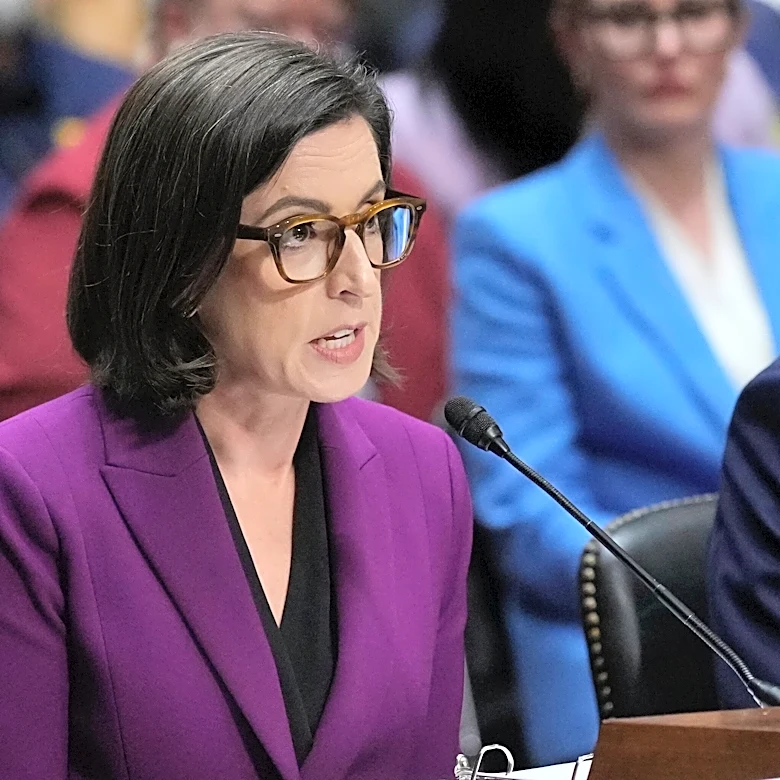
Congresswoman Diana Harshbarger, a Republican from Tennessee, has introduced the 'Freedom to Home Distill Act,' a bill aimed at legalizing the small-scale home distillation of liquor for personal or family use without federal penalties. This proposed
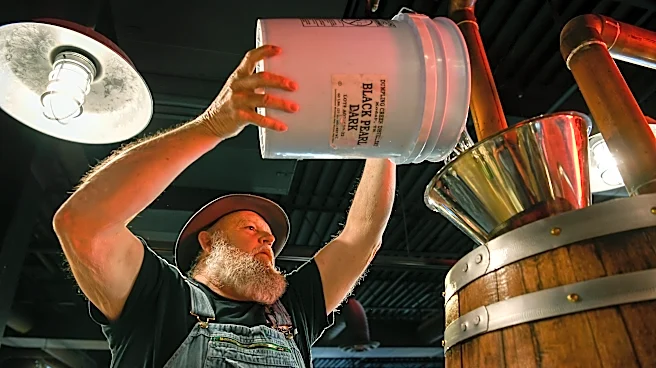
legislation seeks to grant home distillers the same rights currently enjoyed by home brewers and winemakers. The federal ban on home distillation dates back to 1868. The bill would permit adults aged 21 and older to distill up to 10 proof gallons annually for a single-adult household, or 20 proof gallons for households with two or more adults, using stills no larger than 50 gallons, without requiring federal registration or excise taxes. The initiative is supported by figures like Eric 'Digger' Manes and Mark Ramsey from Discovery Channel's 'Moonshiners,' who helped develop the legislation.
Why It's Important?
This bill represents a significant shift in federal policy regarding alcohol production, potentially impacting a long-standing tradition and a segment of the U.S. population. For enthusiasts and those with a cultural connection to distilling, particularly in regions like Appalachia where it has historical roots, this legislation could decriminalize a hobby and allow for the legal practice of a craft. The economic implications could include the growth of small-scale equipment manufacturers and suppliers, as well as a potential boost in tourism related to distilling heritage, similar to the craft beer and wine industries. However, it's crucial to note that the bill only addresses federal law; state-level restrictions on home distillation would remain in effect, meaning individuals would still need to comply with their respective state laws. This dual legal framework could create confusion and varying degrees of legality across the country.
What's Next?
The 'Freedom to Home Distill Act' will proceed through the legislative process in the U.S. Congress. Its advancement will depend on gaining support from other lawmakers and potentially undergoing committee reviews and votes. If passed at the federal level, the focus will then shift to individual states, as their existing laws on home distillation would still apply. Advocates for the bill, including its co-sponsors and supporters from the distilling community, will likely engage in lobbying efforts to raise awareness and garner further backing. Conversely, groups concerned about public health, safety, or revenue implications may voice opposition. The bill's progress could also spark discussions and potential legislative actions at the state level to align with or diverge from the new federal framework.
Beyond the Headlines
Beyond the immediate legal and economic aspects, the 'Freedom to Home Distill Act' touches upon broader themes of personal liberty, cultural heritage, and the balance between federal and state regulatory powers. The bill's proponents frame it as an extension of self-reliance and craftsmanship, particularly in regions where distilling has been a generational practice. This move could be seen as part of a larger trend towards deregulation and empowering individuals to engage in traditional crafts. However, it also raises questions about consumer safety, quality control, and potential impacts on the regulated alcohol industry. The historical context of bootlegging and the origins of NASCAR, as mentioned in the source, highlight the deep cultural significance of distilling in certain parts of the U.S., making this legislation more than just a change in law but a recognition of a historical and cultural practice.