




What's Happening?
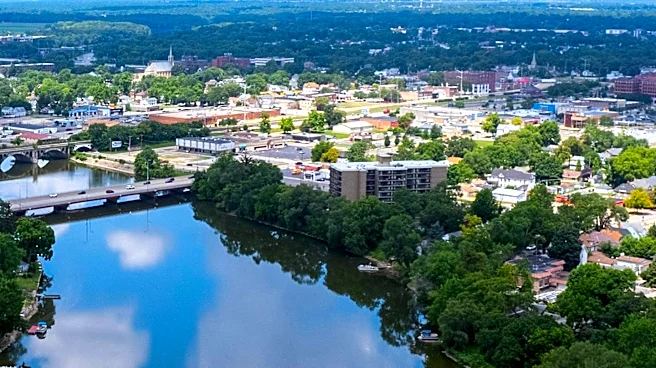
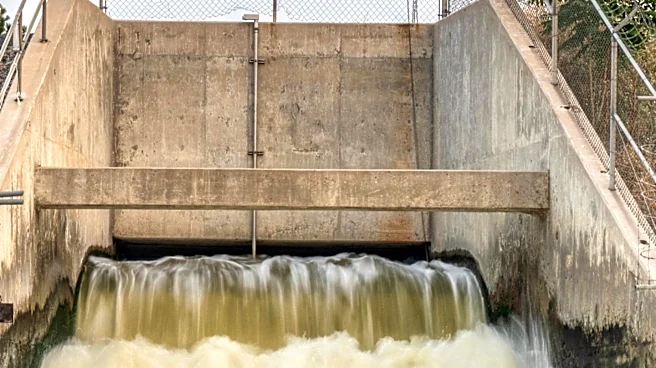
Hamilton County Public Health has issued a recommendation for residents and their pets to temporarily avoid contact with the Whitewater River and the downstream Great Miami River. This advisory comes after a raw sewage discharge into the Whitewater River in Connersville,
Indiana, approximately 50 miles northwest of Hamilton County. The discharge is a direct consequence of recent flooding in the area. The Whitewater River flows through western Hamilton County and eventually merges with the Great Miami River, which then flows into the Ohio River. The health department has not yet confirmed if the sewage contamination poses a threat to the Ohio River. Residents are urged to refrain from swimming, boating, or playing in or near these potentially contaminated waterways. Special attention should be given to children and pets, as they are more susceptible to ingesting water while playing. Additionally, direct skin contact with the contaminated water should be avoided, and hands, clothing, and footwear should be thoroughly washed if contact occurs. Information regarding E. coli and cryptosporidium is available on the hamiltoncountyhealth.org website.
Why It's Important?
This public health advisory is crucial for safeguarding the well-being of communities along the Whitewater and Great Miami Rivers in Indiana and Ohio. The discharge of raw sewage introduces significant health risks, including exposure to harmful bacteria like E. coli and parasites such as cryptosporidium, which can cause severe gastrointestinal illnesses. The interconnectedness of these river systems means that contamination in one area can rapidly spread downstream, affecting a wider population and ecosystem. The advisory directly impacts recreational activities, potentially disrupting local tourism and outdoor leisure for an unspecified period. Furthermore, the incident highlights vulnerabilities in wastewater infrastructure, particularly during extreme weather events like flooding, which are becoming more frequent. The potential for the contamination to reach the Ohio River, a major waterway, could escalate the public health and environmental concerns, affecting drinking water sources and aquatic life across a broader region. This event underscores the critical need for robust infrastructure and effective public health communication in managing environmental hazards.
What's Next?
Hamilton County Public Health will continue to monitor the water quality of the Whitewater and Great Miami Rivers. Further updates are expected regarding the extent of the contamination and the duration of the advisory. Residents should stay informed by checking official health department channels for the latest information and guidance. The Ohio River Valley Water Sanitation Commission (ORSANCO) is likely to be involved in assessing the potential impact on the Ohio River, given its role in interstate water quality management. Local authorities in Connersville, Indiana, will likely be investigating the cause of the wastewater treatment plant discharge and implementing measures to prevent future occurrences. Depending on the severity and persistence of the contamination, there may be calls for infrastructure improvements to enhance the resilience of wastewater treatment facilities against flooding and other environmental challenges. Public awareness campaigns about water safety and hygiene will also be critical in mitigating health risks during this period.
Beyond the Headlines
This incident extends beyond immediate public health concerns, touching upon broader issues of environmental resilience and infrastructure investment in the face of changing climate patterns. The discharge of raw sewage due to flooding underscores the vulnerability of aging infrastructure to increasingly frequent and intense weather events. This event could serve as a catalyst for discussions on upgrading wastewater treatment systems and implementing more robust flood control measures in riverine communities. Ethically, it raises questions about environmental justice, as communities downstream often bear the brunt of upstream pollution. The long-term ecological impact on the river ecosystems, including fish populations and biodiversity, also warrants attention. This situation highlights the complex interplay between urban development, environmental protection, and public health, emphasizing the need for integrated approaches to water resource management that consider both human and ecological well-being. It also brings to light the importance of inter-state cooperation in managing shared natural resources like rivers.