







What's Happening?
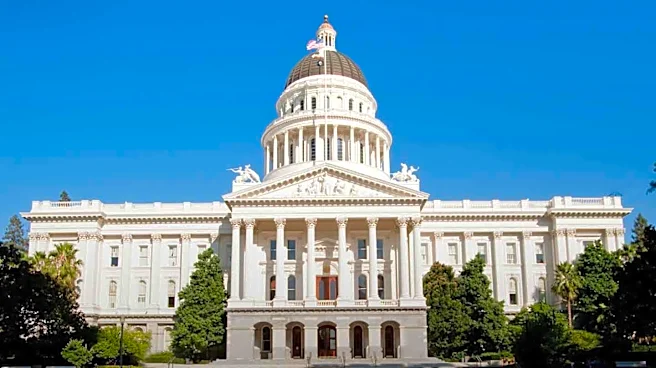
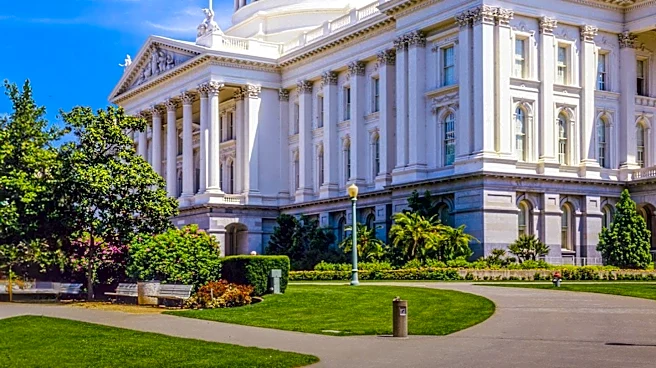
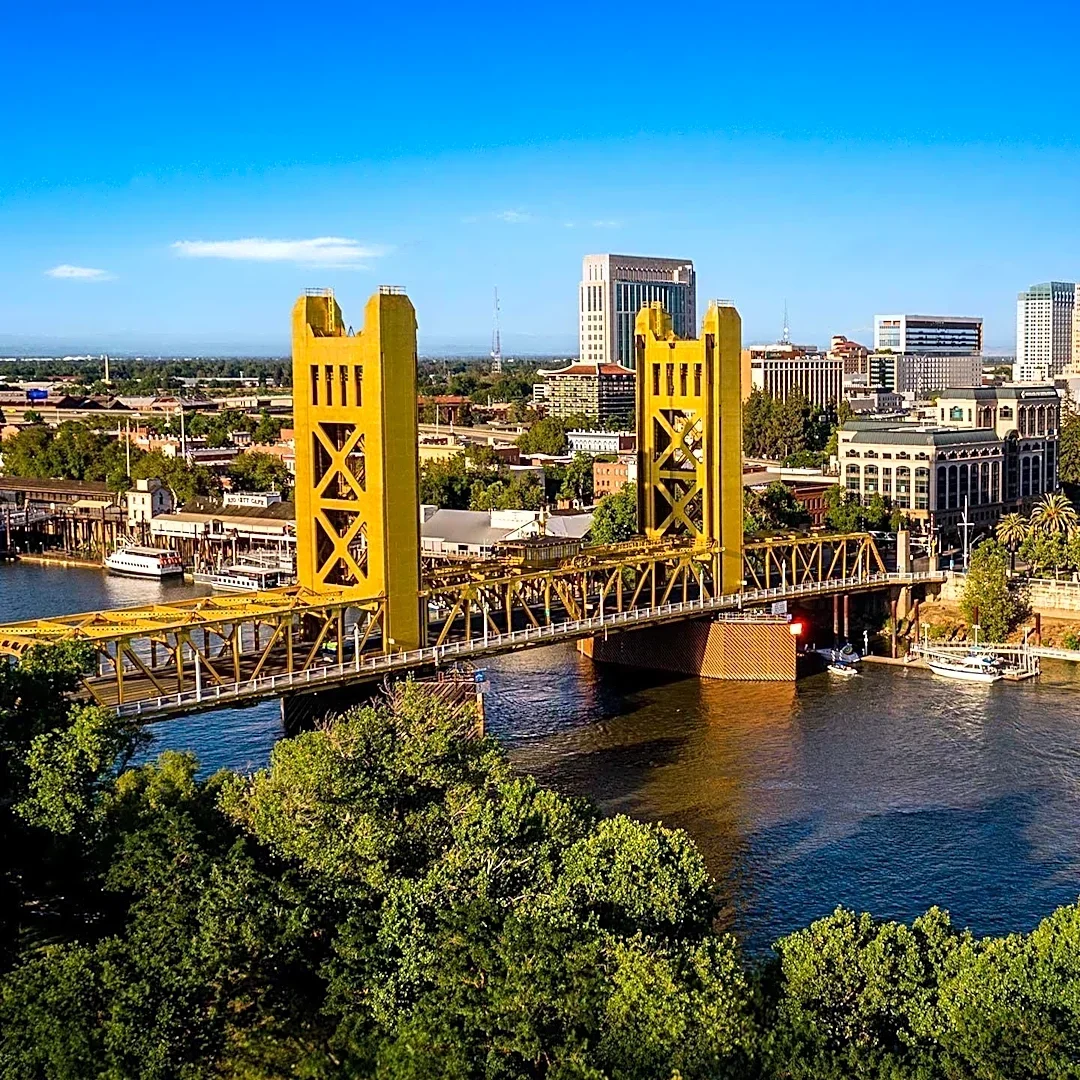
Sacramento tourism officials are shifting their focus to leverage the city's local culture, diverse communities, culinary scene, and historical significance to attract visitors throughout the year. This initiative aims to move beyond reliance on major
events and instead highlight the unique aspects of Sacramento that can draw a steady stream of tourists. The strategy involves promoting the city's cultural attractions and the rich heritage of its various communities. By emphasizing these elements, officials hope to create a more sustainable and consistent tourism economy, encouraging people to visit Sacramento not just for specific events, but for its inherent character and offerings. This approach seeks to showcase the authentic experiences available in the capital city, from its local restaurants to its historical landmarks, as primary draws for potential visitors.
Why It's Important?
This strategic pivot in Sacramento's tourism efforts holds significant importance for the city's economic development and cultural recognition. By focusing on year-round cultural tourism, Sacramento aims to stabilize and grow its visitor economy, reducing its vulnerability to the seasonality of major events. A consistent influx of tourists can support local businesses, including restaurants, shops, and cultural institutions, leading to job creation and increased revenue for the city. Furthermore, highlighting diverse communities and local heritage can foster a stronger sense of identity and pride among residents, while also presenting an authentic and appealing image to outsiders. This initiative could position Sacramento as a cultural destination, attracting a broader demographic of travelers interested in immersive experiences rather than just event-driven visits, thereby enhancing the city's overall profile and economic resilience.
What's Next?
The next steps for Sacramento tourism officials will likely involve the development and implementation of targeted marketing campaigns designed to promote the city's cultural assets. This could include collaborations with local artists, historical societies, and community organizations to curate unique visitor experiences. There may also be efforts to enhance existing cultural sites and create new attractions that align with the year-round tourism strategy. Officials will likely monitor visitor numbers and economic impact to assess the effectiveness of these new initiatives, making adjustments as needed. Additionally, there could be increased investment in infrastructure and services that support tourism, such as improved transportation and hospitality offerings, to accommodate the anticipated growth in visitors drawn by Sacramento's cultural appeal.
Beyond the Headlines
Beyond the immediate economic benefits, Sacramento's focus on cultural tourism has deeper implications for urban development and community engagement. By emphasizing local culture and diverse communities, the city is not only attracting tourists but also investing in its own identity and heritage. This approach can lead to the preservation and revitalization of historical sites, support for local artists and cultural practitioners, and a greater appreciation for the city's multicultural fabric. It also encourages a more authentic form of tourism that benefits local residents directly, rather than solely large corporations. This strategy could serve as a model for other cities looking to build sustainable tourism economies that are deeply rooted in their unique cultural landscapes, fostering a sense of place and community pride while generating economic growth.