





What's Happening?
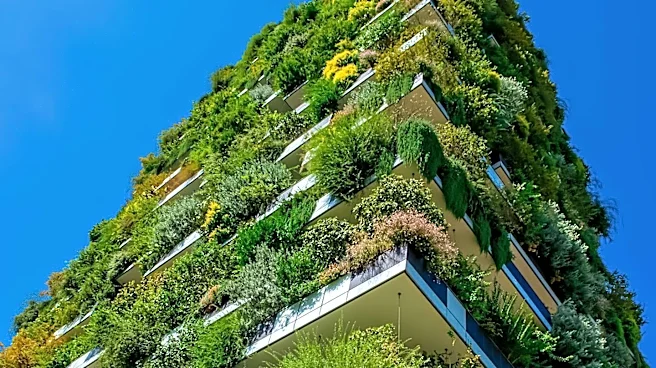
Vertical garden design involves the creation and installation of living plant systems on vertical surfaces, such as building walls. These systems are designed to integrate with architectural elements, considering factors like facade shape, daylight availability,
maintenance access, and irrigation. Modern vertical garden systems are lightweight, with some weighing approximately 45 kg/m², making them suitable for various new construction and renovation projects. They can be modular, allowing for installation on curved facades, corners, and irregular building forms, and can incorporate specific plant patterns or artistic compositions. Pre-grown living wall panels offer immediate vegetation coverage of about 90%, providing an instant green facade. These systems often include intelligent irrigation with remote monitoring to ensure plant health and minimize loss. Beyond aesthetics, vertical gardens provide functional benefits such as reducing urban surface temperatures through shading and evaporative cooling, capturing airborne dust, and supporting local biodiversity by offering habitats for pollinators and small urban wildlife. They also protect building facades from UV radiation and weather exposure, potentially reducing material deterioration over time. Fire safety is a growing consideration, with systems available that meet various fire classifications, making them suitable for commercial and public buildings. Additionally, living walls can contribute to sustainability certifications like WELL, BREEAM, and LEED.
Why It's Important?
The increasing adoption of vertical gardens is significant for urban environments facing challenges like heat island effects, poor air quality, and limited green spaces. By reducing surface temperatures and filtering airborne dust, these installations contribute to healthier outdoor conditions in densely populated areas. Their ability to support biodiversity, even in small installations, helps mitigate habitat loss and promotes ecological balance within cities. For building owners and developers, vertical gardens offer a dual benefit: enhancing aesthetic appeal and providing practical advantages like facade protection and potential energy savings through reduced cooling needs. The lightweight and flexible nature of modern systems expands their applicability, allowing for integration into a wider range of architectural designs, including historic buildings and contemporary office spaces. Furthermore, their contribution to sustainability certifications aligns with growing demands for environmentally responsible construction and urban development, making them a valuable asset for projects aiming for green building standards. The immediate visual impact of pre-grown panels also offers a quicker return on aesthetic investment compared to traditional climbing systems.
What's Next?
The trend towards integrating vertical gardens into urban planning and architectural design is expected to continue, driven by increasing awareness of environmental sustainability and the desire to enhance urban living quality. Future developments may focus on further optimizing irrigation systems for water efficiency and integrating smart technologies for real-time plant health monitoring and automated maintenance. Research into plant species better suited for diverse urban climates and specific environmental challenges, such as extreme temperatures or pollution, will likely expand. As cities become denser, vertical gardens could play a more prominent role in urban agriculture, providing local food sources and reducing food miles. The demand for systems that meet stringent fire safety and sustainability standards will also likely drive innovation in materials and construction techniques. Collaboration between landscape architects, urban planners, and building engineers will be crucial in maximizing the functional and aesthetic benefits of these green infrastructures in future urban projects.
Beyond the Headlines
Beyond their immediate environmental and aesthetic benefits, vertical gardens represent a broader shift in how urban spaces are conceived and utilized. They challenge traditional notions of green space, demonstrating that nature can be integrated vertically rather than solely horizontally. This vertical integration can have profound psychological impacts, improving mental well-being for urban dwellers by increasing exposure to greenery and natural elements in otherwise concrete-dominated environments. Ethically, the widespread adoption of vertical gardens reflects a growing commitment to ecological responsibility within the built environment, acknowledging the role of buildings in supporting local ecosystems. Legally, evolving building codes and zoning regulations may increasingly incentivize or even mandate green infrastructure like vertical gardens, particularly in areas prone to heat islands or with air quality concerns. Culturally, these living walls can transform urban landscapes into dynamic, evolving art forms, fostering a deeper connection between city residents and the natural world, and potentially influencing urban design philosophies towards more biophilic and sustainable approaches.