






What's Happening?
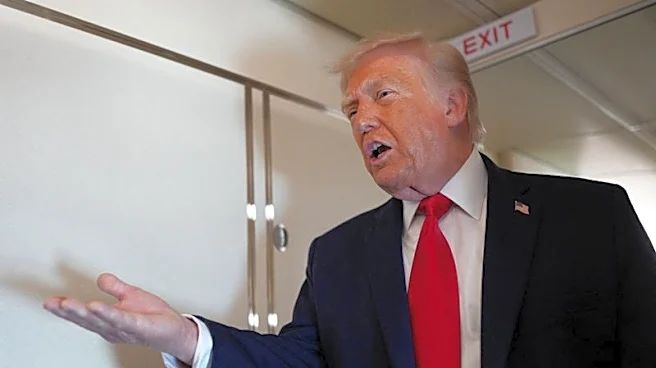
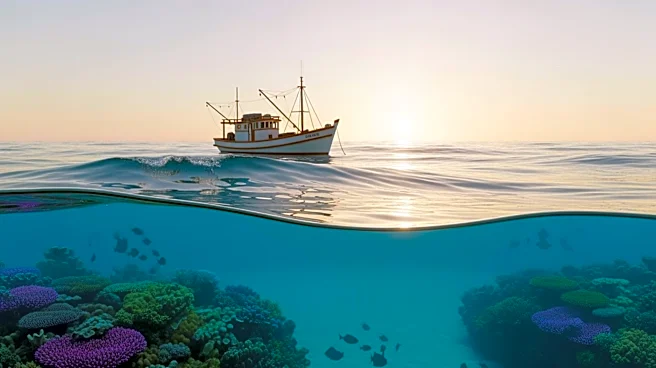
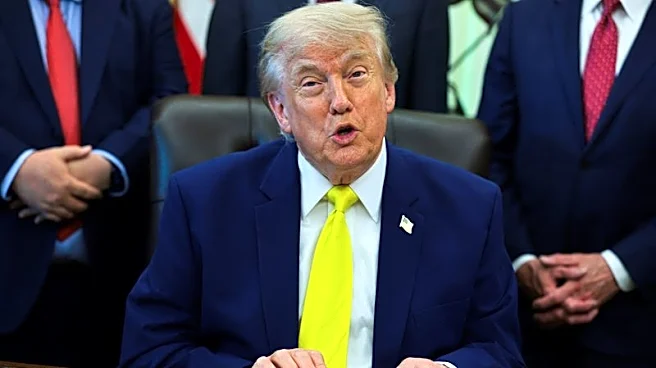
President Donald Trump has signed a proclamation to restore commercial fishing within three of America's marine national monuments in the Pacific Ocean. This action reverses protections for these areas, which are considered pristine ocean ecosystems.
The White House stated that the move aims to boost the U.S. fishing industry and lower seafood prices for consumers. The proclamation affects the Papahānaumokuākea Marine National Monument near Hawaii, the Islands Unit of the Mariana Trench Marine National Monument off the coast of Guam, and the Rose Atoll Marine National Monument in American Samoa. This decision expands commercial fishing access to about half a million square miles in the Pacific. The action is part of Trump's broader deregulatory push, contrasting with former President Joe Biden's expansion of protected marine areas.
Why It's Important?
The restoration of commercial fishing in these marine national monuments is significant for the U.S. fishing industry, potentially increasing domestic fish supply and reducing reliance on foreign seafood sources. This move could lower seafood prices for American consumers. However, it also raises environmental concerns, as these areas were previously protected to preserve ocean ecosystems and threatened fish stocks. The decision reflects a shift in U.S. policy towards prioritizing economic benefits over environmental conservation. Stakeholders such as the nation's regional fishery management councils have expressed support, arguing that prohibitions on fishing were counterproductive to domestic fishery goals. Conversely, environmental groups may view this as a setback for conservation efforts.
What's Next?
The decision may lead to increased commercial fishing activities in the affected areas, potentially boosting the U.S. fishing industry. However, it could also prompt legal challenges or pushback from environmental organizations concerned about the impact on marine ecosystems. The administration may face scrutiny from conservationists and policymakers who prioritize environmental protection. Future policy decisions will likely continue to balance economic interests with environmental conservation, and the outcome of this action could influence similar decisions regarding other protected areas.